Graphic Design Fundamentals
Introduction to Graphic Design
What Is Graphic Design?
Graphic design is the art of visual communication. It’s about arranging images and text to share a message or solve a problem. Think of a book cover, a website's layout, or the logo on your coffee cup. Each was created by a designer to make you think or feel something specific.
The main goal isn't just to make things look good, although that's part of it. The real purpose is to communicate clearly. A well-designed poster, for example, doesn't just catch your eye; it tells you what an event is, where it is, and when it's happening, all in a matter of seconds.
These principles are more than making a pretty design — creating communication that helps people absorb and process your message effectively.
To do this effectively, designers work with a fundamental set of ingredients, much like a chef uses basic ingredients to create a meal. These are known as the elements of design.
The Basic Elements
Every visual design, no matter how complex, is built from a few simple parts. Understanding these elements is the first step to creating your own effective designs.
Line
noun
A mark that connects two points. Lines can be straight, curved, thick, thin, or jagged. They guide the viewer's eye and can be used to create shapes or suggest movement.
Lines are everywhere in design. A horizontal line might feel calm and stable, like the horizon. A vertical line can suggest height and strength, like a skyscraper. Jagged, diagonal lines often feel energetic or chaotic.
Shape is a two-dimensional area with a recognizable boundary. Shapes can be geometric, like circles and squares, or organic and free-flowing, like a puddle or a leaf. They create structure and form in a design.
Color is a powerful tool for setting a mood or drawing attention. Bright, warm colors like red and orange often feel energetic and passionate. Cool colors like blue and green can feel calming and peaceful. Even a design with no color uses black, white, and shades of gray to create contrast.
Texture refers to the surface quality of an object. It can be physical, like the rough feel of textured paper, or it can be implied visually. A photo of tree bark or a smooth, glossy button on a website are examples of visual texture. It adds depth and a tactile feel to a design.
Space is the area around or between elements. It's often called negative space or white space. Giving elements room to breathe is crucial. Good use of space prevents a design from looking cluttered and helps guide the viewer's focus to the most important parts.
Putting It All Together
Knowing the elements is just the first step. How you arrange them is what makes a design successful. This is where the principles of design come in. These are the guidelines for how to use the elements.
Think of the elements as your ingredients and the principles as your recipe. They guide you in combining the parts into a cohesive whole.
Here are a few core principles to get you started:
Balance is about distributing the visual weight of elements. A design can have symmetrical balance, where elements are mirrored on either side of a central axis, creating a formal, stable feeling. Or it can have asymmetrical balance, where different elements on each side have equal visual weight, creating a more dynamic and interesting composition.
Contrast is the arrangement of opposite elements to create visual interest. This could be a contrast between light and dark colors, large and small shapes, or rough and smooth textures. Contrast helps make a design pop and directs the viewer's attention.
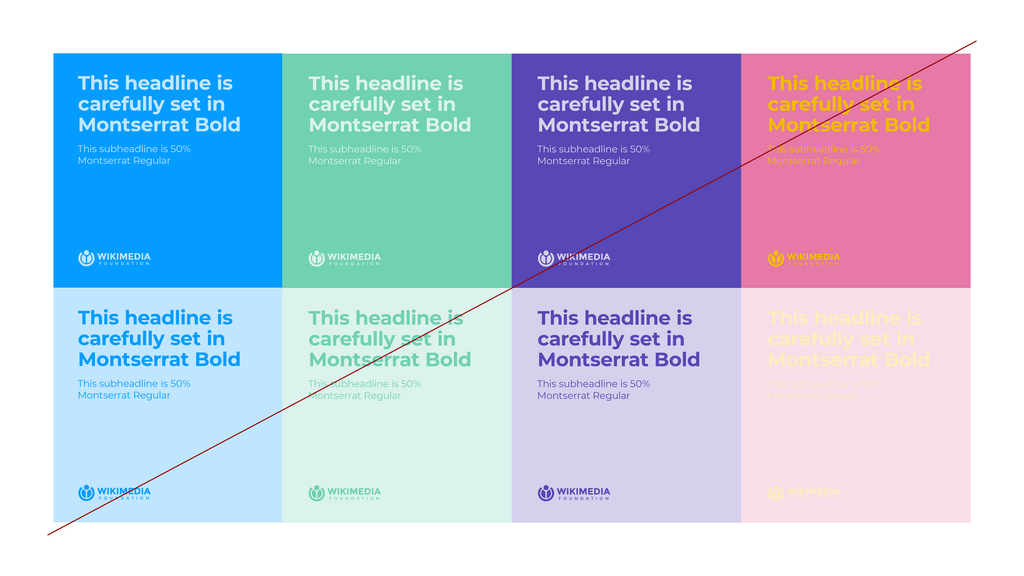
Emphasis is the principle of making one element the focal point. This is the part of the design that stands out and grabs the viewer's attention first. Designers create emphasis using color, size, or placement to highlight the most important part of the message.
Unity is the feeling that all the parts of a design belong together. When a design has unity, the elements and principles work together in harmony. This creates a sense of completeness and makes the message easier to understand.
Ready to check your understanding?
What is the primary goal of graphic design?
In design, the area around or between elements is known as __________.
These elements and principles are the foundation of all visual communication. By mastering them, you can create designs that are not only beautiful but also clear and effective.