Graphic Design Fundamentals
Introduction to Graphic Design
What is Graphic Design?
Graphic design is all about visual communication. It’s the art of using images, text, and space to share a message or solve a problem. Think of it as a conversation without words. The logo on your coffee cup, the layout of your favorite website, and the cover of the book on your nightstand are all having a quiet conversation with you, thanks to graphic design.
Graphic design is a visual communication process using a balanced blend of typography (text) and imagery (photographs, illustrations, and icons) to communicate a specific message.
This practice isn't new. You could say it started with cave paintings, where early humans used images to tell stories. It continued with the intricate manuscripts of the Middle Ages and exploded with the invention of the printing press in the 15th century. Suddenly, information could be mass-produced, and with it came the need to organize text and images in clear, compelling ways. The Industrial Revolution brought about advertising and corporate logos, and the digital age has transformed the field entirely, moving it from print to screens of all sizes.
The Designer’s Role
So what does a graphic designer actually do? Their main job is to solve communication problems visually. They're not just artists making things look good; they are strategists who think deeply about the audience and the message.
A client might come to a designer with a goal, like launching a new product or clarifying a complex idea. The designer's work involves listening, researching, and understanding that goal. They then translate it into a visual language using typography, color, and imagery. This process involves a lot of trial and error, sketching, and refining ideas to find the most effective solution.
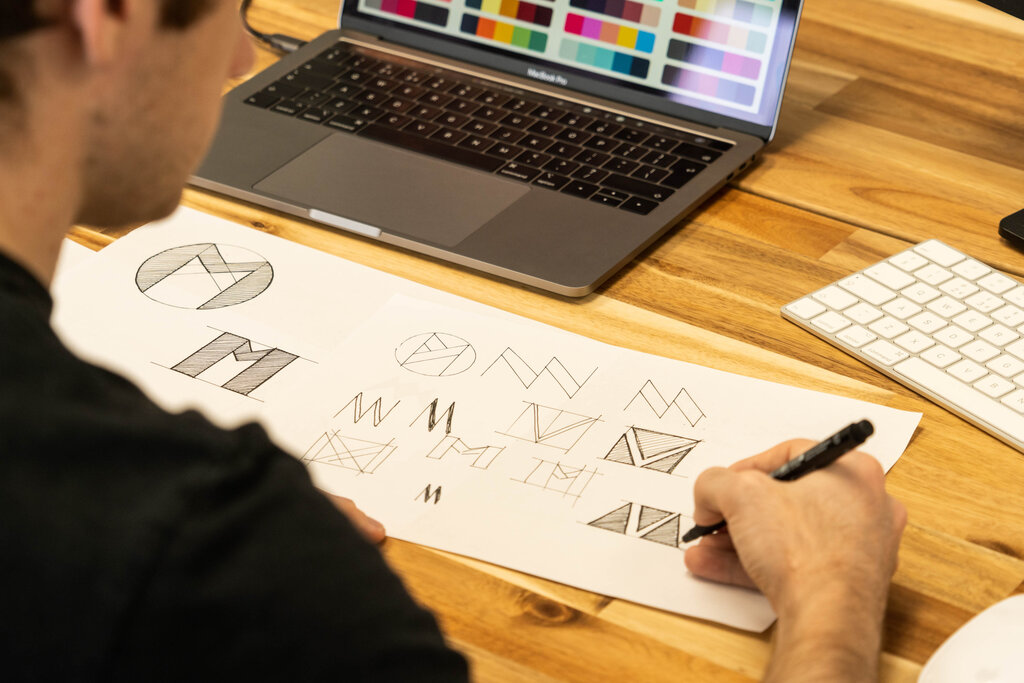
Their responsibilities are broad. A designer might create a logo that captures a company's entire identity in a single mark. They might design the layout for a magazine, guiding the reader’s eye from one article to the next. Or they could build the user interface for an app, making sure it’s intuitive and easy to use. In every case, the designer acts as a bridge between the message and the audience.
Design Is Everywhere
Once you start looking for it, you'll see graphic design in nearly every corner of your life. It's an integral part of how we navigate and understand the world.
From the signs that direct traffic to the packaging of your food, graphic design helps you make sense of your surroundings.
Here are just a few places where graphic design plays a crucial role:
- Branding: Logos, business cards, and style guides create a consistent visual identity for a company or product.
- Advertising: Billboards, social media ads, and flyers are designed to grab attention and persuade.
- Web and App Design: The user interface (UI) and user experience (UX) of websites and mobile apps depend on thoughtful design to be functional and enjoyable.
- Publishing: The layouts of books, magazines, and newspapers make written content readable and engaging.
- Packaging: The design of a product's box or label can influence a buyer's decision in a split second.
- Information Design: Infographics and data visualizations turn complex information into easy-to-understand graphics.
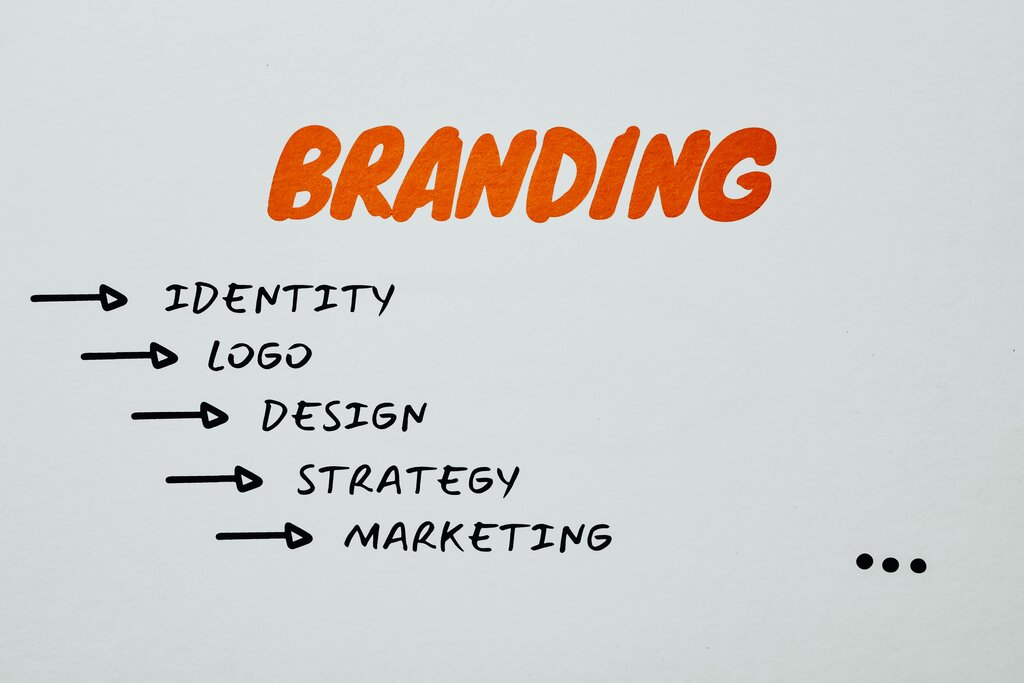
By shaping how information is presented, graphic design has a profound impact on our perceptions, choices, and even our culture. It can make a brand feel trustworthy, a public service announcement feel urgent, or a complex scientific concept feel accessible. Good design doesn't just decorate; it clarifies, instructs, and connects.
Ready to check your understanding? This short quiz covers the fundamental ideas we've discussed.
What is the primary, fundamental purpose of graphic design?
True or False: The role of a graphic designer is purely artistic and doesn't involve strategic thinking.
Understanding these foundations is the first step. Graphic design is a field that blends creativity with strategy to shape how we see and interact with the world.