Graphic Design from Scratch
Visual Communication Basics
More Than Just Pretty Pictures
Graphic design is the art of visual communication. It’s not about making things look good for the sake of it. Instead, design uses images, text, and space to solve a problem by conveying a specific message to a particular group of people.
You see it everywhere. The logo on your coffee cup, the layout of your favorite website, the cover of a book, and the packaging of your cereal are all examples of graphic design. Each one was created with a purpose in mind, long before it ever reached you.
At its core, graphic design is about intentionality. Every choice a designer makes—from a color to a font—is made to communicate a message more clearly.
Think of a simple traffic sign. A stop sign isn't just a red octagon with the word "STOP" because someone thought it looked nice. It's designed to solve a critical problem: how to make drivers stop their cars to prevent accidents. The bright red color grabs your attention. The unique eight-sided shape is recognizable even from a distance or if partially covered by snow. The bold, simple text is instantly readable.
This simple sign demonstrates the three key elements of any design project: the designer, the message, and the audience.
The designer creates something (the message) to be understood by a group of people (the audience). This relationship is the foundation of all visual communication.
Who Are You Talking To?
A design that tries to speak to everyone often ends up speaking to no one. That's why one of the first steps in any design process is to identify the —the specific group of people the message is for.
Imagine you're designing a poster. A poster for a monster truck rally will look very different from a poster for a classical music concert. The first might use bold, gritty fonts and fiery colors to appeal to an audience seeking excitement and action. The second will likely use elegant, clean fonts and a calm color palette to attract an audience that appreciates refinement and tradition.
Understanding your audience is not about stereotyping. It's about empathy. By understanding their needs, expectations, and visual language, a designer can create something that feels relevant and compelling to them.
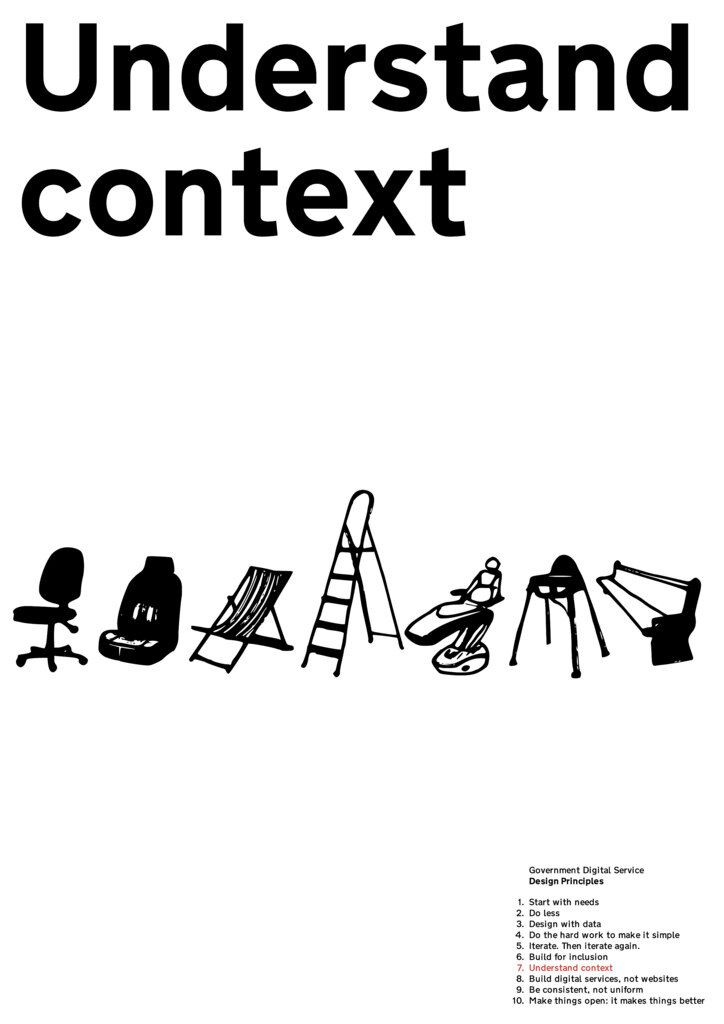
Every Choice Has a Purpose
Once a designer knows their message and their audience, they can start making intentional choices. In design, nothing is accidental. Every element on the page or screen is there for a reason, working together to guide the viewer's eye and control what they see first, second, and third. This deliberate arrangement of elements is called s.
This principle applies to everything from a magazine layout to the dashboard of an app. The most important information is made most prominent. In a news app, the headline for the top story is the biggest thing on the screen. The "Buy Now" button on a shopping site is often a bright, contrasting color so you can't miss it.
These choices create a that helps people instantly recognize a company or product. Think of the Nike "swoosh" or the Coca-Cola red. These are not just logos; they are systems of visual communication that convey feelings and ideas without using a single word.
Graphic design is a craft where professionals create visual content to communicate messages.
As you begin your journey in design, start by noticing the visual world around you. Ask yourself: What message is this trying to send? Who is it for? And what choices did the designer make to communicate that message effectively? This simple habit is the first step toward thinking like a designer.
What is the fundamental purpose of graphic design?
The deliberate arrangement of elements to guide a viewer's eye and emphasize importance is known as...