Grandstream Captive Portal Client Bridge Conflict
Captive Portal Basics
The Digital Gatekeeper
Have you ever tried to connect to the Wi-Fi at a coffee shop, airport, or hotel? You select the network, but instead of getting instant internet access, you’re redirected to a special login page. That page is a captive portal.
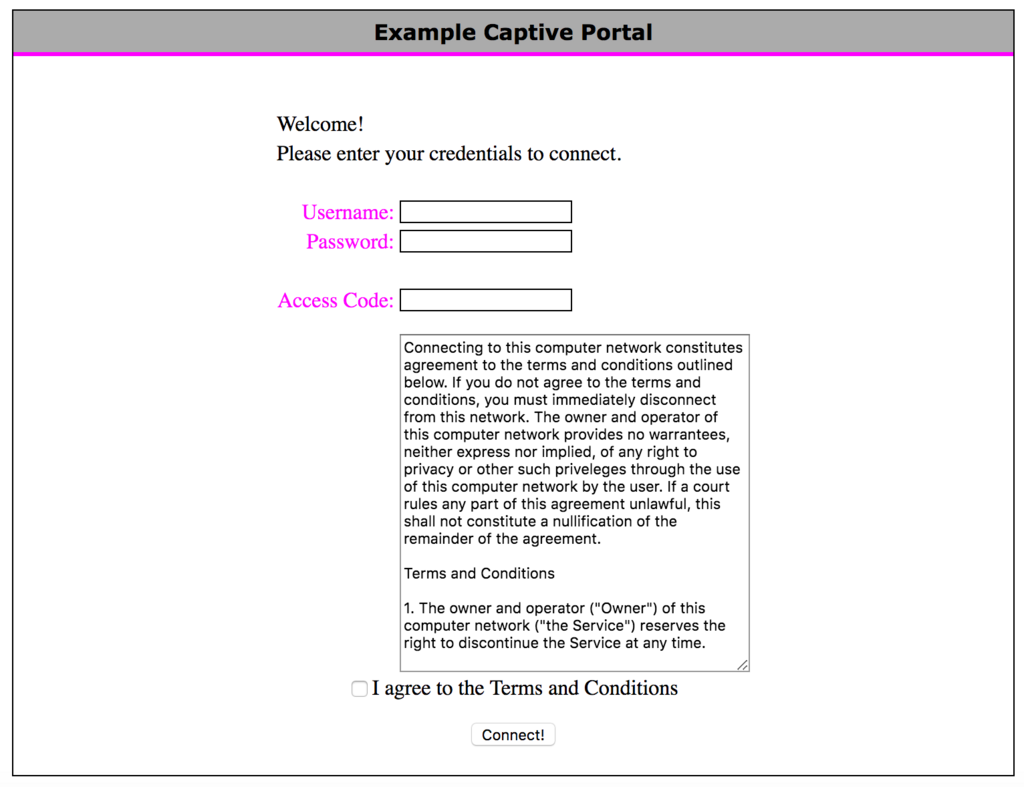
Think of it like a digital front desk. Before you can get to your room (the internet), you have to check in. This check-in process can be as simple as agreeing to terms and conditions, or it might require you to enter a password, email address, or payment information.
Captive Portal
noun
A web page that a user must view and interact with before being granted broader access to a network. It 'captures' users, forcing them to see a specific page before connecting to the internet.
Why Networks Use Them
Captive portals serve a few key purposes. The most common is controlling access. Businesses can limit network use to paying customers, like a coffee shop that prints an access code on your receipt. Hotels use them to ensure only guests are using their bandwidth.
Essentially, captive portals create a checkpoint between a user and the open internet.
They are also used for legal and security reasons. Many public networks require you to accept a Terms of Service agreement. This helps protect the provider from liability for what users do online. They can also present branding, advertisements, or important information to the user before they go online.
How It Works
The process is surprisingly straightforward from a user's perspective. When your device joins a network with a captive portal, it tries to connect to the internet as usual. The network's router or firewall, however, is watching.
It intercepts traffic and directs it to a captive portal where users must sign in or accept your conditions before they get real internet access.
This gatekeeper intercepts your first attempt to browse and redirects you to its own internal web page, the captive portal. It blocks all other traffic until you satisfy its conditions. Once you log in or agree to the terms, the gatekeeper records your device's unique address (its MAC address) and opens the gate, allowing it to access the wider internet.
This simple but effective system allows any organization to manage its network traffic and create a secure, controlled entry point for users.
Ready to check your understanding?
What is the primary function of a captive portal?
When you first connect to a Wi-Fi network with a captive portal, the network's gatekeeper (a router or firewall) intercepts your traffic and redirects you to its own internal web page.
Captive portals are a fundamental part of network access control, providing a bridge between private networks and public users.