Grain Marketing Essentials
Introduction to Grain Markets
What Is a Grain Market?
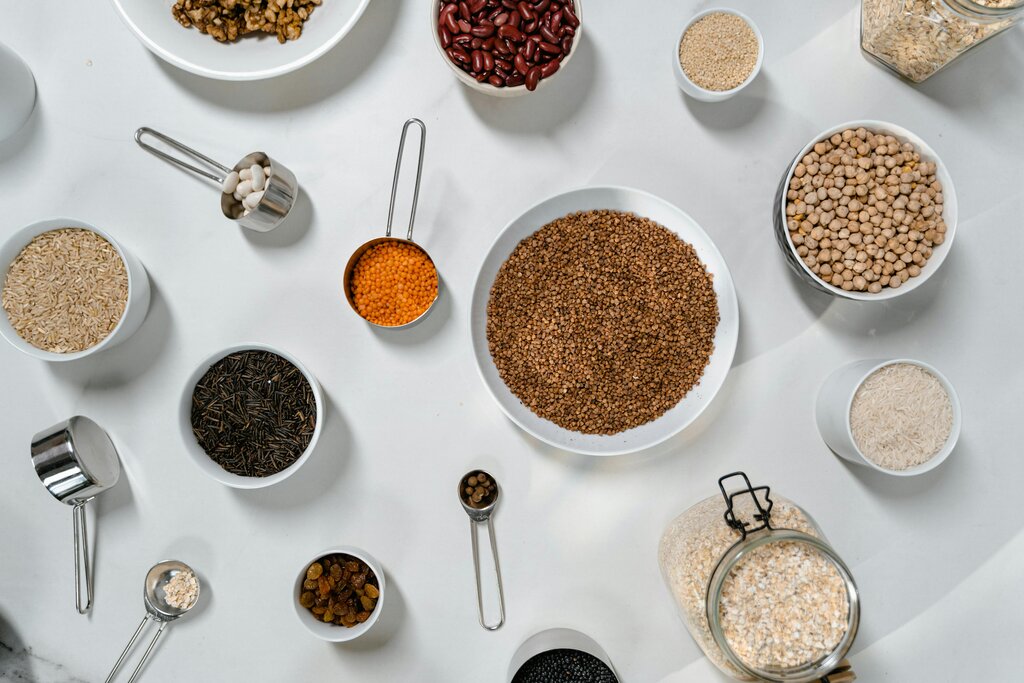
At its simplest, a grain market is any place where grains are bought and sold. This isn't just one single location, but a massive global network connecting farmers to consumers. The primary goods changing hands are staple crops that feed the world and fuel industries.
The main grains traded are corn, wheat, and soybeans. Others like rice, oats, and barley also play significant roles in the market.
These markets operate in two main ways. There's the physical or "spot" market, where actual, physical grain is exchanged for cash on the spot. If a baker buys a truckload of wheat from a local grain elevator, that's a spot transaction.
Then there's the futures market, which is where much of the action happens. Here, participants buy and sell contracts for grain to be delivered at a future date, at a price agreed upon today. It's a way of locking in a price in advance to protect against price swings.
The Market Participants
The grain market is a bustling ecosystem with several key players, each with a different role. Understanding who they are is key to understanding how the market functions.
| Participant | Primary Role |
|---|---|
| Producers | Farmers who grow and harvest the grain. |
| Commercial Users | Businesses that use physical grain, like flour mills, livestock feeders, ethanol plants, and exporters. |
| Intermediaries | Grain elevators and merchandisers who buy, store, and transport grain from producers to users. |
| Speculators | Traders who buy and sell futures contracts to profit from price changes, without ever touching the actual grain. They provide essential liquidity to the market. |
The Engine of Price: Supply and Demand
Like any market, grain prices are driven by the fundamental principles of supply and demand. The price of a bushel of corn settles at the point where the amount producers are willing to sell equals the amount consumers are willing to buy. This is called the equilibrium price.
So, what makes these curves shift?
Supply factors include things that affect how much grain is grown. A perfect growing season with good weather means a large harvest (high supply), which tends to push prices down. Conversely, a widespread drought would reduce the harvest (low supply), pushing prices up. Government policies and the amount of land farmers decide to plant also have a huge impact.
Demand factors are about how much grain is wanted. A growing global population needs more food. Increased demand for meat means more grain is needed for animal feed. The rise of biofuels like ethanol, made from corn, has also become a major driver of demand. Changes in international trade agreements can open or close huge markets overnight, causing demand to spike or fall.
The constant dance between these global supply and demand factors is what makes grain markets dynamic and constantly changing.
What is the fundamental purpose of a grain market?
A breakfast cereal company buys a large shipment of corn from a grain elevator, and the corn is delivered the same day. This is an example of a transaction in the __________ market.
These fundamentals are the building blocks for understanding the complex world of grain trading.