Graffiti Art Fundamentals
Introduction to Graffiti Art
What is Graffiti?
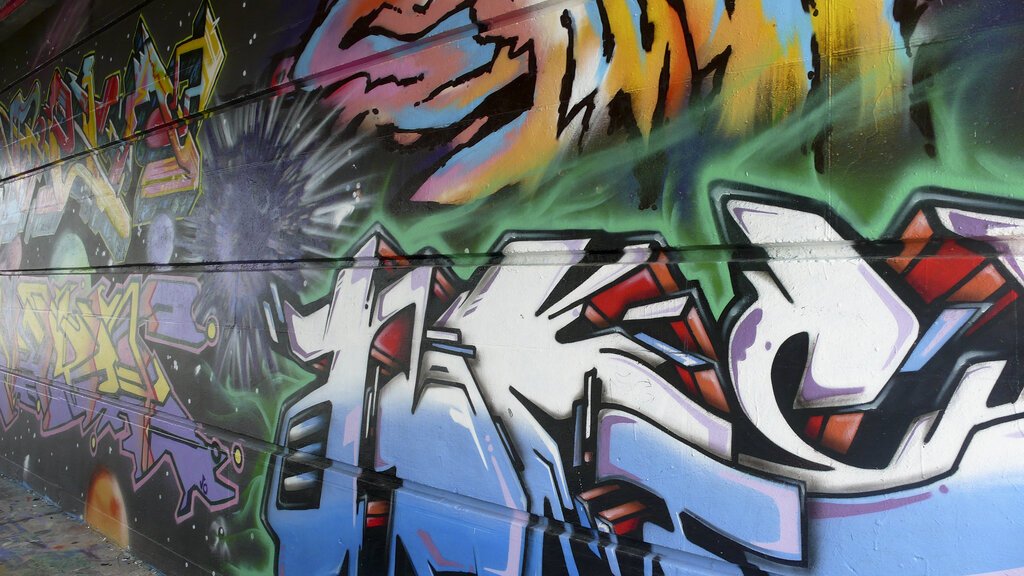
Graffiti is writing or drawing scribbled, scratched, or sprayed on a surface in a public place. It's an art form that lives outside of traditional galleries and museums. You’ll find it on city walls, train cars, and under bridges. At its core, it's about making a mark and communicating directly with the public.
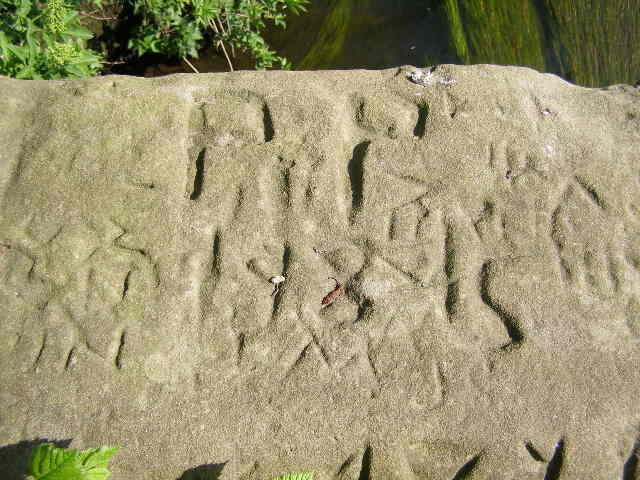
The word itself comes from Italian. It’s the plural of graffito, which means “a scratching.” This origin points to one of the art form's oldest characteristics: it’s often a quick, raw mark left for others to see.
graffiti
noun
Writing or drawings scribbled, scratched, or sprayed illicitly on a wall or other surface in a public place.
Most graffiti is built around lettering. Artists, often called “writers,” develop their own unique signature, or “tag.” Over time, these tags can evolve into more elaborate pieces with complex letters, vibrant colors, and characters. Unlike many other art forms, graffiti is often defined by its location and its unsanctioned nature. It appears where people live and work, speaking directly to the community.
A Quick Trip Through Time
Leaving marks on walls is nothing new. People have been doing it for thousands of years. We've found ancient graffiti scratched into the walls of Pompeii and the pyramids of Egypt. These early inscriptions were simple messages, declarations of love, or political complaints, much like some graffiti today.
But the graffiti we recognize today exploded in the late 1960s and 1970s, starting in Philadelphia and New York City. Young people began writing their tags on walls and, most famously, on the sides of subway cars. This new movement was closely tied to the birth of hip-hop culture, sharing its energy and its roots in urban communities seeking a voice. The subway trains became moving canvases, carrying writers' names across the entire city.
More Than Just Paint
Graffiti is much more than just writing on a wall. It's a powerful tool for self-expression and social commentary. For many artists, it’s a way to claim a piece of the city as their own, especially in places where they might feel overlooked or ignored. It transforms public space into a platform for dialogue.
Graffiti serves as a powerful visual language that articulates the identity of urban communities and reflects the lived experiences of their inhabitants.
This art form has a complex relationship with society. While some see it as vandalism that degrades public spaces, others view it as a vibrant cultural expression that can beautify neglected areas and give voice to important social and political issues.
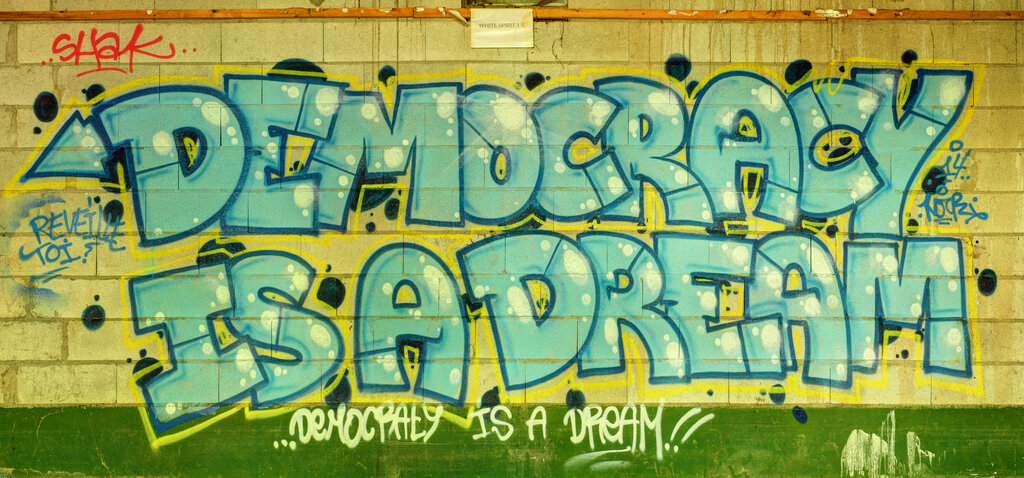
You might hear the term “street art” used interchangeably with graffiti, but they're slightly different. While graffiti is typically focused on lettering and the culture of tags, street art is a broader term. It often includes images, stencils, and murals, and is sometimes created with permission. Graffiti is the rebellious root from which much of modern street art has grown.
Graffiti is word-based, focused on tags and lettering. Street art is image-based, using stencils, posters, and murals.
Now that you have a basic understanding of what graffiti is and where it comes from, let's test your knowledge.
The word "graffiti" comes from the Italian word "graffito." What does "graffito" mean?
The modern graffiti movement that emerged in the U.S. is most closely associated with which cultural phenomenon?
Graffiti is a rich and complex art form with a history as old as civilization itself. It continues to be a vital way for people to express themselves, claim space, and speak directly to the world around them.