Grade 9 Transformations: BECE Curriculum Guide
Translation Basics
Understanding Translations
In geometry, a transformation changes a shape's position or size. The simplest type of transformation is a translation. Think of it as a slide. When you translate an object, you move it from one place to another without rotating, reflecting, or resizing it. Every point of the object moves the same distance in the same direction.
A translation is simply a slide. The shape, its size, and its orientation all stay exactly the same.
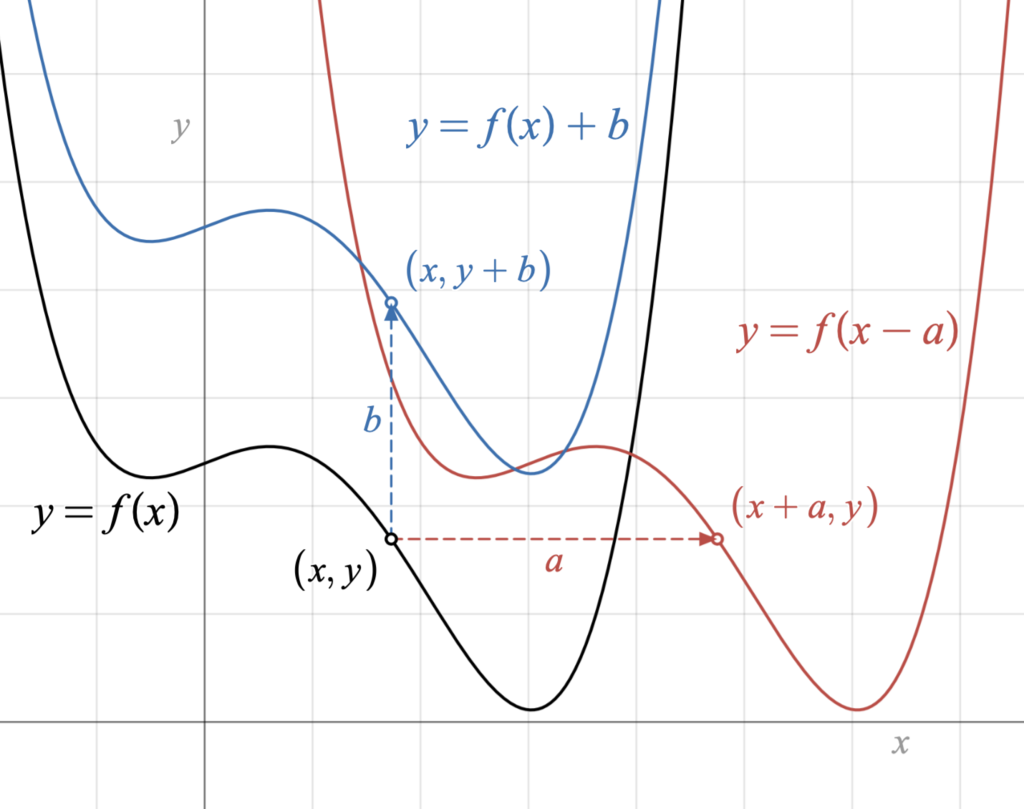
The Translation Vector
To describe a translation with precision, we use a translation vector. A vector is a quantity that has both direction and magnitude (or length). For translations on a coordinate plane, we often write this vector as a column vector.
For example, the vector means move 3 units to the right and 2 units down.
Translating Points and Shapes
To translate a point, you simply add the vector's components to the point's coordinates. If you have a point and you translate it by the vector , the new point, called the image , will have the coordinates .
Let's translate the point using the vector .
The new x-coordinate will be . The new y-coordinate will be . So, the image of point A, which we call , is .
Translating a whole shape is just as easy. You perform the same translation on each of its vertices (corners) and then connect the new points to form the translated shape.
To summarise, every translation is defined by a vector. To find the location of a translated shape, you apply that same vector to every single one of its points.
In geometry, what is a translation?
A point P has coordinates (3, 5). What are the coordinates of its image, P', after a translation by the vector ?
Now you have a solid grasp of how translations work on the coordinate plane. Practice is key to mastering this for your exams.