Grade 12 Accounting Essentials
Introduction to Accounting
The Language of Business
Accounting is often called the language of business. It’s the process of recording, summarizing, and communicating a company's financial transactions. Think of it as a structured story, told in numbers, that reveals the health and performance of a business.
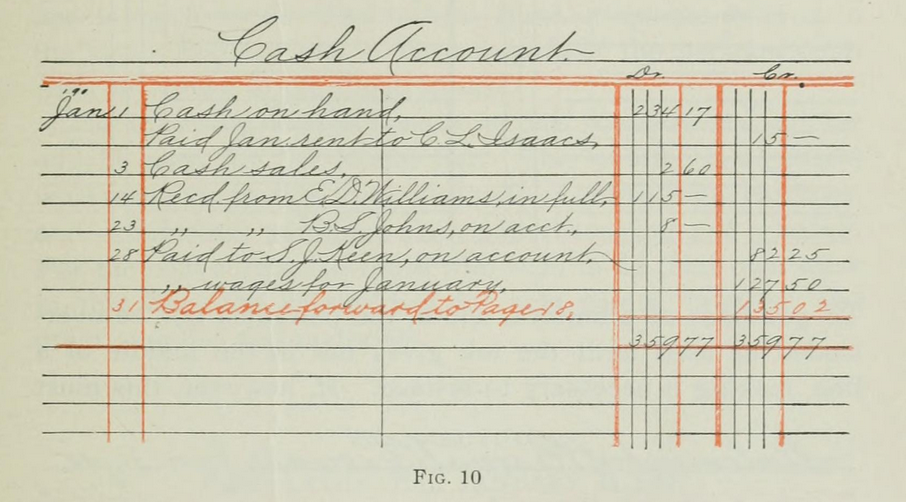
Without accounting, a business owner wouldn't know if they were making a profit or a loss. They wouldn't know how much cash they have, who owes them money, or how much they owe to others. It's the system that brings clarity to the financial chaos of running an organization.
This financial information isn't just for the owner. A wide range of people, or stakeholders, rely on it.
- Internal users, like managers, use it to make strategic decisions. Should we launch a new product? Can we afford to hire more staff?
- External users, like investors and banks, use it to decide whether to put money into the business. Is this a safe investment? Is the company likely to repay its loan?
The Core Equation
At the heart of all accounting is a single, powerful formula. It’s the foundation for everything else and must always, always be in balance.
Let's break down each piece of this puzzle.
Asset
noun
A resource with economic value that a company owns or controls with the expectation that it will provide a future benefit.
Assets are the things your business owns. This includes cash in the bank, inventory waiting to be sold, equipment, buildings, and even money that customers owe you (known as accounts receivable).
Liability
noun
A company's financial debt or obligations that arise during the course of its business operations.
Liabilities are what your business owes to others. This could be a loan from a bank, bills from suppliers you haven't paid yet (accounts payable), or salaries owed to employees.
Equity
noun
The value of the assets remaining in a business after all liabilities have been subtracted.
Equity represents the owner's stake in the company. It's the residual interest in the assets after deducting liabilities. You can think of it as the net worth of the business.
Let's put it all together. Imagine you start a coffee cart business. You use $1,000 of your own savings and borrow $4,000 from a friend to buy a $5,000 coffee cart. Here’s how the equation looks:
- Assets: The $5,000 coffee cart.
- Liabilities: The $4,000 you owe your friend.
- Equity: The $1,000 you personally invested.
Now, let's check the equation.
It balances perfectly. Every financial transaction a business makes will affect at least two parts of this equation, but the equation itself will always remain in balance. This is the core principle of double-entry bookkeeping.
Telling the Financial Story
The accounting equation provides the structure. Financial statements are the reports that tell the story. They summarize all the transactions over a period of time to give users a clear picture of the company's financial situation. There are three main statements.
| Statement | Purpose |
|---|---|
| Balance Sheet | Shows a company's assets, liabilities, and equity at a specific point in time. It's a snapshot based directly on the accounting equation. |
| Income Statement | Reports a company's financial performance over a specific period. It shows revenues, expenses, and the resulting profit or loss. |
| Cash Flow Statement | Tracks the movement of cash into and out of the company from its operating, investing, and financing activities over a period. |
Together, these statements provide a comprehensive view of a company's health. The Balance Sheet shows what it owns and owes, the Income Statement shows if it's profitable, and the Cash Flow Statement shows if it's generating enough cash to stay afloat.
Time to check your understanding of these foundational concepts.
What is the primary purpose of accounting?
The two main categories of users of accounting information are known as:
Understanding this core equation and the purpose of the main financial statements is the first major step in mastering the language of business.