Grace Life Living Explained
Understanding Divine Grace
What Is Grace?
At the heart of Christian belief is a concept called grace. It’s a simple word for a profound idea: God’s free and unearned favor toward humanity.
Grace
noun
Unmerited divine assistance given to humans for their regeneration or sanctification; a virtue coming from God.
Think of it like an unexpected gift. You didn't work for it, ask for it, or do anything to deserve it. The giver simply chose to give it out of kindness. Grace is similar. It's not a reward for good behavior or a transaction based on merit. Instead, it’s a one-way expression of God's love and goodness, given freely to people who are, by nature, imperfect.
Grace is God’s goodness directed toward those who deserve the opposite.
Grace in the Bible
The concept of grace runs through the entire Bible. In the Old Testament, the Hebrew word chesed is often used. It describes a persistent and unconditional loving-kindness, a covenant loyalty that God shows to his people despite their failings.
loving-kindness, mercy, goodness
The New Testament builds on this, using the Greek word charis to define grace more explicitly. The apostle Paul, who wrote much of the New Testament, places grace at the center of his theology. He saw it as the very foundation of the Christian faith.
“For by grace you have been saved through faith. And this is not your own doing; it is the gift of God, not a result of works, so that no one may boast.”
— Ephesians 2:8-9
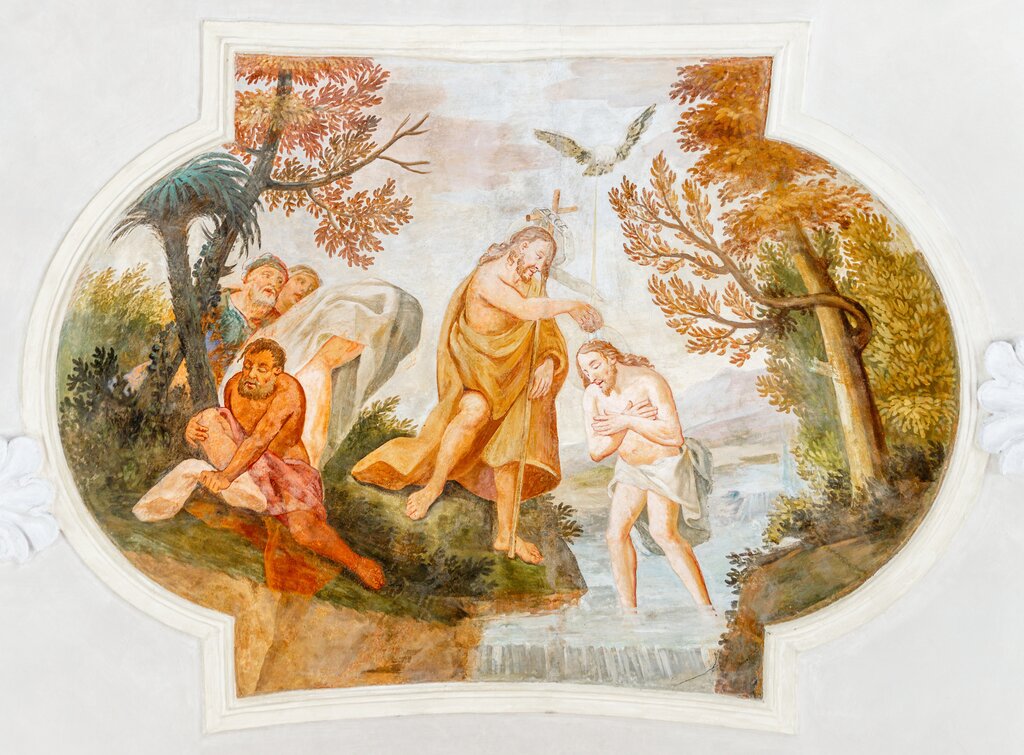
This passage clearly separates grace from human effort. Salvation, in this view, isn't something that can be earned like a paycheck. It's received like a gift. Paul reinforces this idea in another letter:
“...for all have sinned and fall short of the glory of God, and are justified by his grace as a gift, through the redemption that is in Christ Jesus.”
— Romans 3:23-24
Here, grace is presented as the solution to human sinfulness. It’s the mechanism through which people are made right with God, not because of their own righteousness, but because of God's.
Theological Perspectives
Over centuries, theologians have explored the nuances of grace. While there are many different views, a few key distinctions are helpful for understanding the concept.
| Type of Grace | Description |
|---|---|
| Common Grace | God’s general care for all of creation. It's the goodness that sustains the world and allows for human flourishing, given to believers and non-believers alike. |
| Saving Grace | The specific grace that brings about salvation. It's the favor that justifies a person before God, forgiving sin and offering eternal life. |
| Sanctifying Grace | The ongoing grace that helps a believer grow in holiness and become more like Christ over time. It is the transformative power of God at work in a person’s life. |
Think of common grace like the sun and rain. They fall on everyone, regardless of who they are. Saving grace is the specific act of being rescued from danger. And sanctifying grace is the slow, steady process of healing and strengthening after the rescue. All are expressions of God’s unmerited favor, but they operate in different ways.
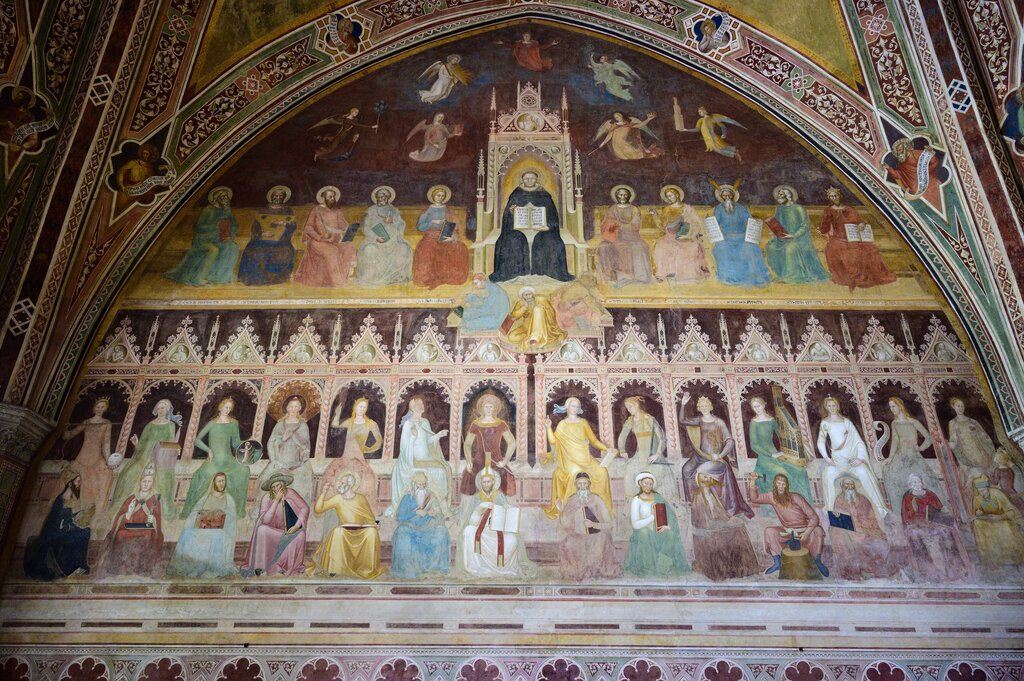
These categories help explain how God's grace interacts with the world and with individuals. It is both a universal blessing and a personal, transformative power.
It's time for a quick review of these core ideas.
Let's check your understanding of divine grace.
Which of the following best describes the concept of 'grace' as presented in Christian theology?
The Old Testament concept of chesed and the New Testament concept of charis both contribute to the biblical understanding of grace.
Grace is a foundational concept. It shifts the focus from human achievement to divine generosity, defining the relationship between God and humanity as one based on a gift, not a debt.