Grace and Human Failure in Christian Theology
Human Nature and Sin
Made in God's Image
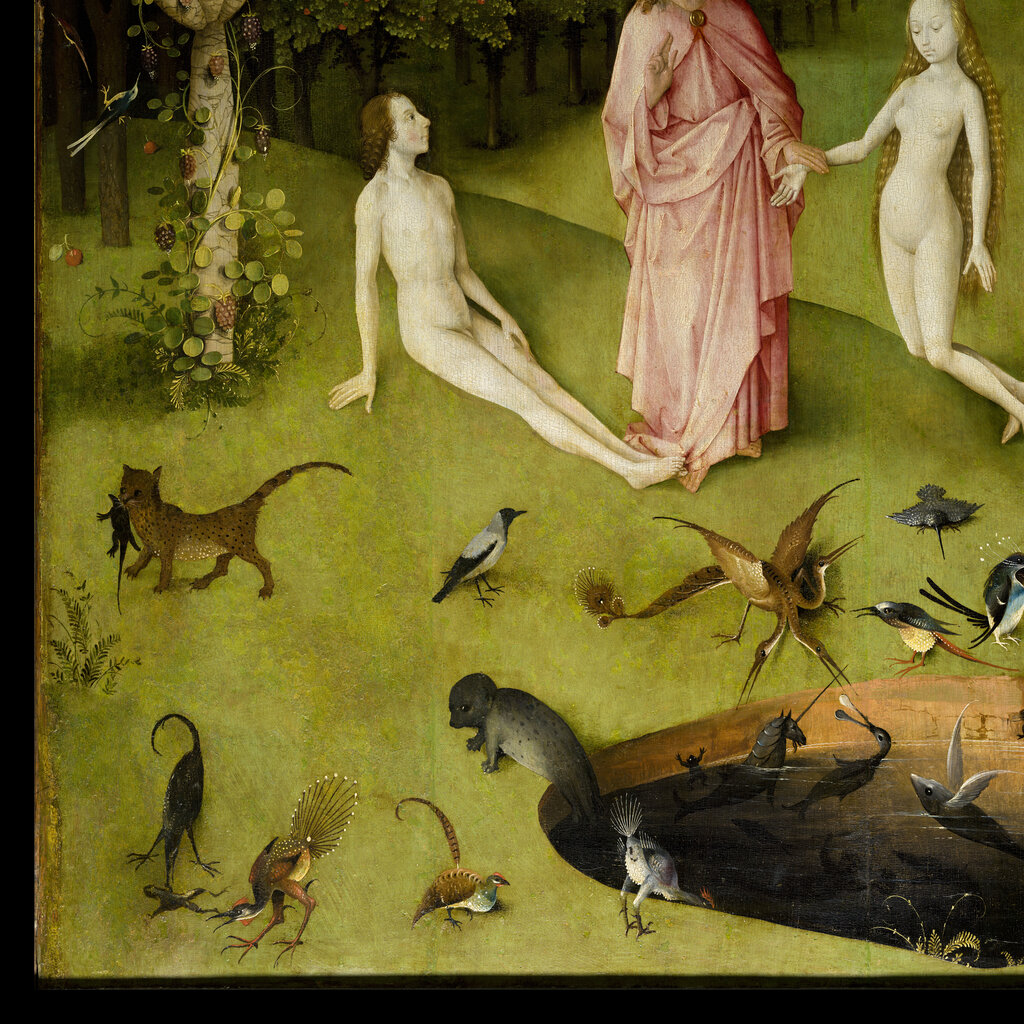
The Christian understanding of humanity begins in a garden. According to the book of Genesis, God created the first humans, Adam and Eve, in a unique way. They were made “in the image of God,” a concept known by the Latin phrase Imago Dei. This doesn't mean a physical likeness. Instead, it points to a special status and capacity that sets humans apart from the rest of creation.
Humans are created “in the image of God” (Genesis 1:27), a phrase loaded with theological and ethical significance.
Being made in God's image means humans were created with the ability to reason, feel complex emotions, make moral choices, and enter into relationships with God and each other. They were given responsibility to care for the created world. In this original state, humanity existed in a perfect relationship with its creator, free from shame, fear, or corruption.
The First Sin
This state of innocence did not last. Adam and Eve were given a single command: do not eat the fruit from the tree of the knowledge of good and evil. By disobeying this one rule, they chose their own will over God's. This act of rebellion is known as the Fall, and it introduced sin into the world.
Original Sin
noun
The Christian doctrine that humanity's state of sin resulted from the fall of man, stemming from Adam's rebellion in Eden.
The consequences were immediate and catastrophic. Adam and Eve's relationship with God was broken. They experienced shame and fear for the first time. More than just a single bad choice, this event fundamentally altered the nature of humanity.
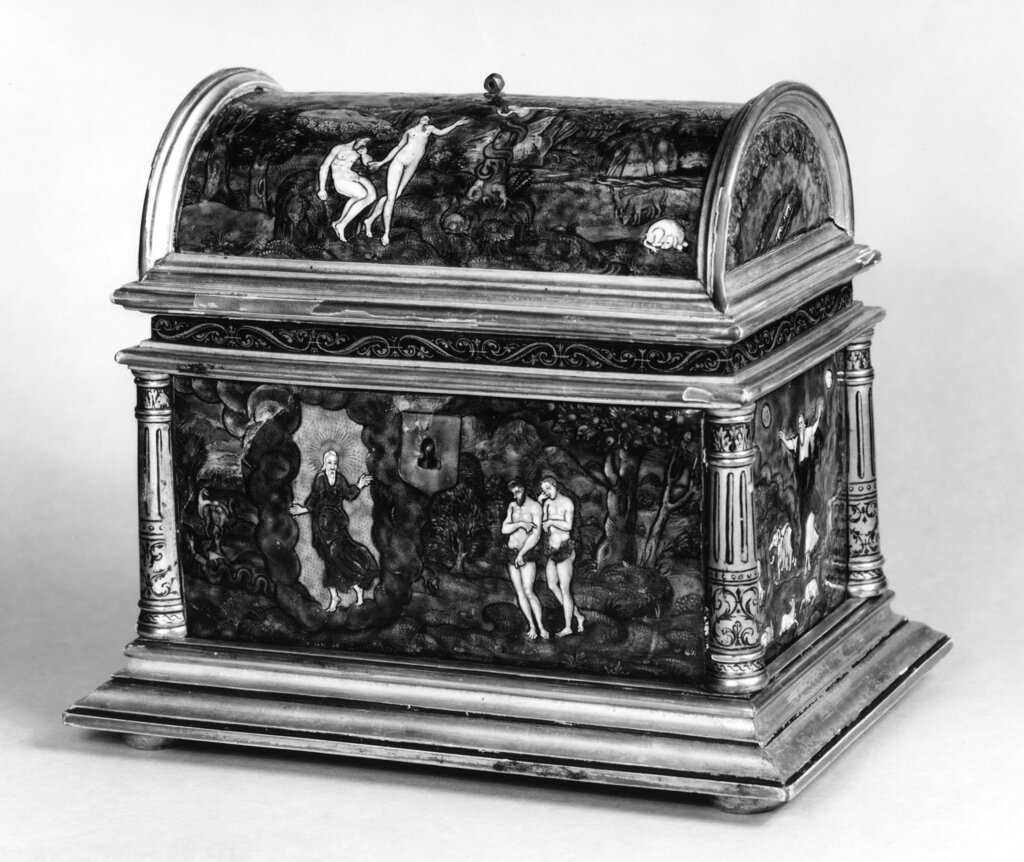
This first sin wasn't just a personal failure; it had cosmic implications. It passed down a corrupted nature to all of their descendants. From that point on, every human being is born into a state of separation from God.
A Fallen Nature
The result of original sin is a condition often called "total depravity." This term can be misleading. It does not mean that people are as evil as they could possibly be, or that they are incapable of doing things that are good or kind by human standards.
Instead, total depravity means that sin has affected every part of a person: the mind, the will, the emotions, and the body. Nothing is left untouched by its corruption.
Because of this fallen state, the human will is no longer truly free. While people can make choices, their natural inclination is toward selfishness and rebellion against God, not toward righteousness. The ability to please God or to choose him on one's own has been lost. Theologians describe this as being in bondage to sin—wanting to do good, but ultimately being unable to do so perfectly or with pure motives.
Corrupted by a sinful nature, humans are unholy, self-centered, self-willed, and rebellious toward God.
This state of human inability is a foundational concept in Christian theology. It establishes a problem that humanity, on its own, has no power to solve.