GPU as a Service Explained
Introduction to GPUaaS
What Is GPUaaS?
GPU as a Service, or GPUaaS, is a way to rent access to powerful Graphics Processing Units (GPUs) over the internet. Instead of buying, installing, and maintaining expensive hardware yourself, you can tap into a cloud provider's massive computing power on demand.
Think of it like your home's electricity. You don't own a power plant to turn on your lights; you just pay a utility company for the energy you use. GPUaaS works the same way for computational power.
This model provides access to high-performance computing resources without the hefty upfront investment. You can run complex calculations for tasks like AI model training, scientific simulations, or video rendering on someone else's hardware, paying only for the time you need.
The Shift to the Cloud
Not long ago, accessing serious GPU power meant building and managing your own infrastructure. Companies and research institutions had to purchase physical GPU cards, install them into servers, and house them in dedicated data centers. This on-premises approach came with a long list of challenges.
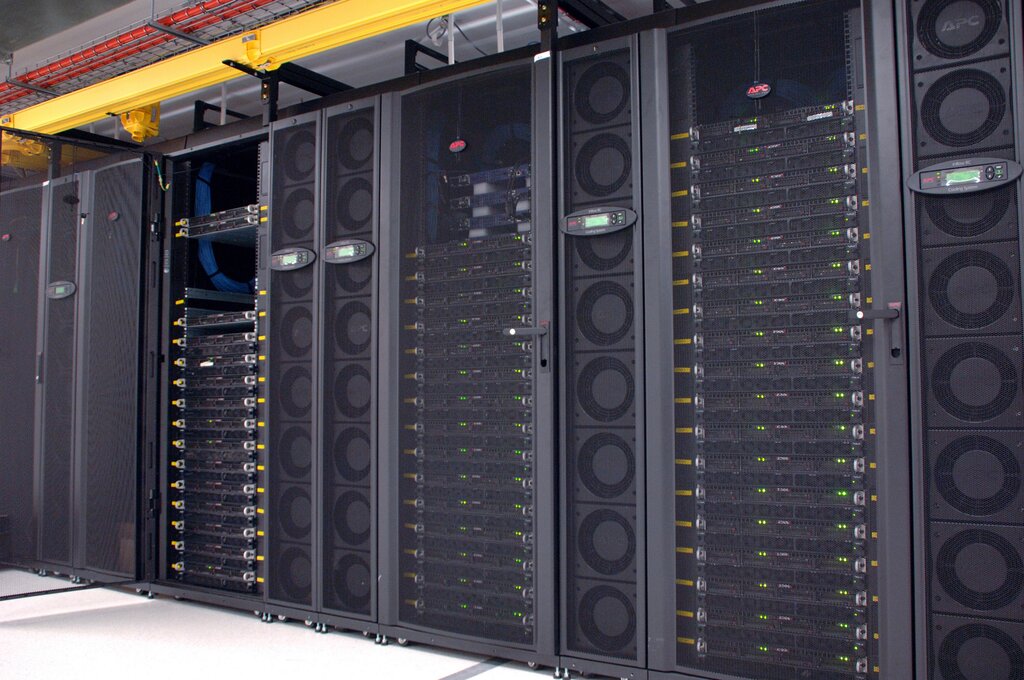
Managing these systems required specialized IT staff to handle everything from hardware failures to software updates and cooling. The initial cost was enormous, and the hardware would quickly become outdated as newer, more powerful GPUs were released every year. Scaling up meant a long and expensive procurement process.
The rise of cloud computing changed everything. Major cloud providers like Amazon Web Services (AWS), Google Cloud, and Microsoft Azure began building massive data centers filled with the latest GPUs. They then offered this power to customers as a rentable service, giving birth to GPUaaS.
This shift democratized access to supercomputing capabilities. Suddenly, a startup or a single researcher could access the same level of computing power as a major corporation, leveling the playing field for innovation.
Key Differences
The move from owning hardware to renting it from the cloud represents a fundamental change in how we approach high-performance computing. The core differences between a traditional deployment and GPUaaS are clear.
| Feature | Traditional (On-Premises) | GPU as a Service (GPUaaS) |
|---|---|---|
| Cost Model | Large upfront capital expense (CapEx) | Pay-as-you-go operating expense (OpEx) |
| Scalability | Slow and expensive; requires buying hardware | Rapid and flexible; scale up or down in minutes |
| Maintenance | Handled in-house by your IT team | Managed entirely by the cloud provider |
| Hardware | You own it; becomes outdated | Access to the latest GPUs without buying them |
| Accessibility | Limited to physical location | Accessible from anywhere with an internet connection |
Scalability is perhaps the most significant distinction. With a traditional setup, if your project's demands suddenly double, you can't just double your hardware overnight. You have to order, wait for, and install new GPUs. With GPUaaS, you can provision additional resources with a few clicks and shut them down just as easily when you're done.
This transforms high-performance computing from a rigid, long-term investment into a flexible, on-demand utility. You're no longer locked into the hardware you bought years ago. Instead, you can always access the best tools for the job, right when you need them.