GPU Architecture Explained
Introduction to GPUs
What is a GPU?
At its heart, a Graphics Processing Unit (GPU) is a specialized electronic circuit. Its original job was to rapidly create and manipulate images for display on a screen. Think of it as a co-processor designed to handle the heavy lifting of computer graphics, freeing up the main processor (the CPU) to focus on other tasks.
GPUs (Graphics Processing Units) are processing units originally designed for rendering graphics on a computer quickly.
This specialization is what makes modern video games look so realistic and allows video editors to work with high-resolution footage smoothly. Every pixel you see on your screen, in a game or a movie, has been calculated and placed by the GPU. Without it, these tasks would be painfully slow.
A Quick History
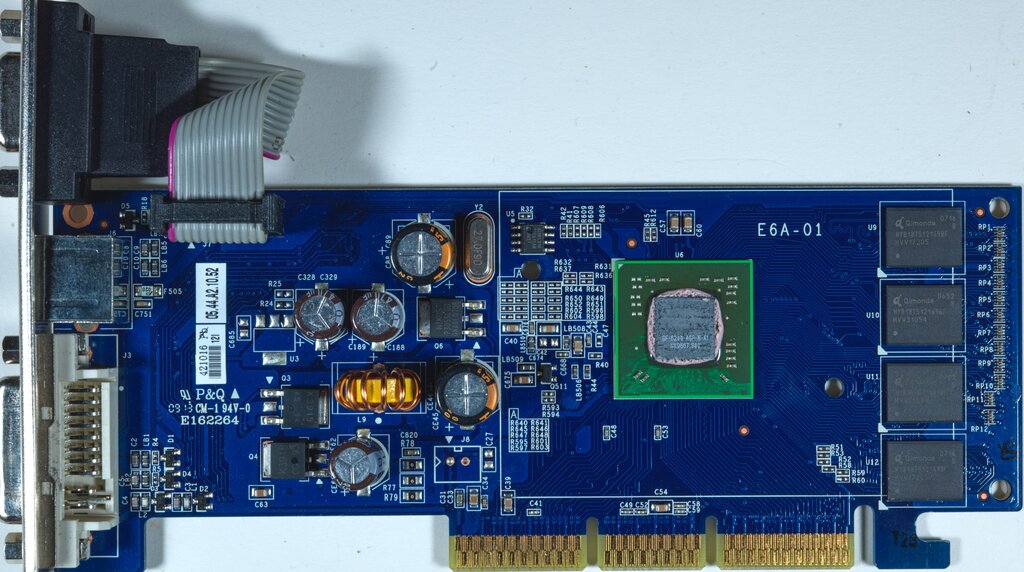
The journey of the GPU began in the 1970s and 80s with simple 'graphics accelerators'. These early chips could only handle basic 2D tasks, like drawing lines, shapes, and moving blocks of pixels around the screen. This was a big step up from having the CPU do all the work, but they weren't very flexible.
The real revolution came in the 1990s with the rise of 3D gaming. Games like Quake and Tomb Raider demanded complex 3D environments, something early accelerators couldn't handle. This pushed hardware manufacturers to create chips that could process 3D geometry and textures.
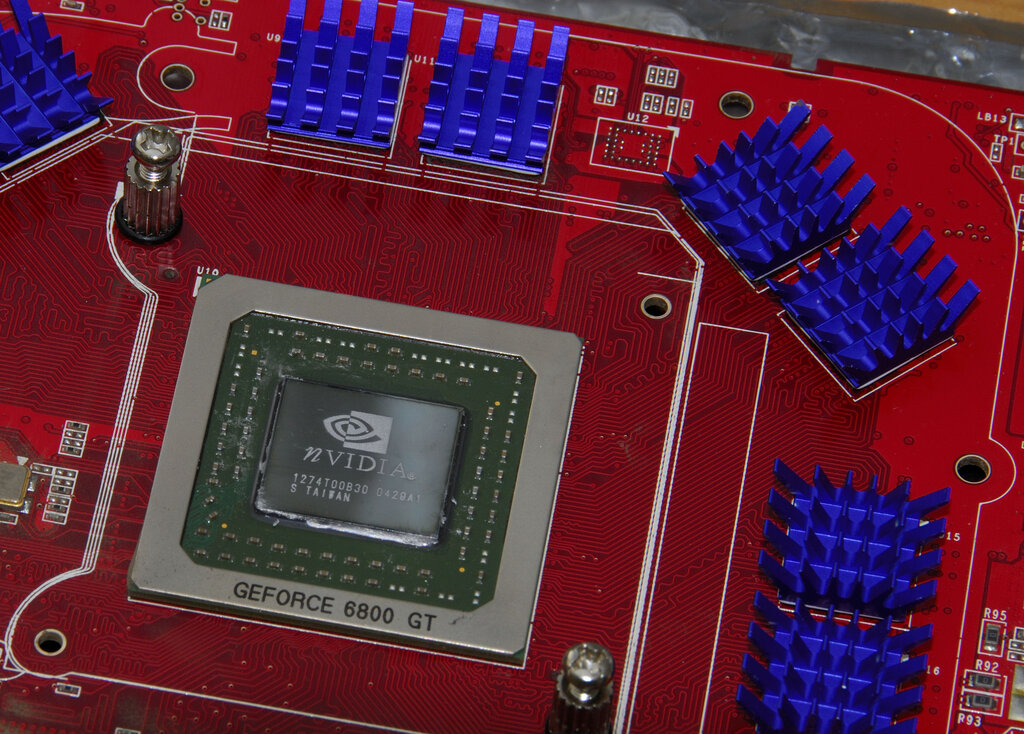
In 1999, NVIDIA released the GeForce 256 and marketed it as the world's first 'GPU'. This chip integrated key graphics processing steps into the hardware, setting a new standard. Over time, these processors became more and more programmable, which unlocked their potential for tasks far beyond just drawing pixels.
How They Work
The secret to a GPU's power is parallel processing. Imagine you have to sign a thousand letters. A CPU is like one person with a fancy pen, signing each letter one by one, very quickly and accurately. A GPU, on the other hand, is like a thousand people with simple pens, all signing their own letter at the same time.
For a task like signing letters, the thousand-person approach is much faster. Graphics rendering is similar. Each pixel on the screen can be calculated independently, so a GPU assigns these small, repetitive calculations to thousands of its processing units, or 'cores'.
Unlike CPUs that focus on executing sequential tasks, GPUs are built to handle massive amounts of data simultaneously through parallel processing.
This basic architecture consists of a massive number of these simple cores. They are less powerful than a single CPU core, but there are thousands of them. GPUs also have their own dedicated, high-speed memory called VRAM (Video RAM), which stores the textures, models, and other data needed for rendering. This keeps all the necessary information close to the processing cores, avoiding bottlenecks.
More Than Just Graphics
The massive parallel processing power that makes GPUs great for graphics also makes them incredibly useful for other types of problems. Scientists and engineers realized they could use GPUs to accelerate tasks that involved performing the same calculation on huge datasets. This new field became known as General-Purpose GPU (GPGPU) computing.
Today, GPUs are essential in many fields:
- Scientific Computing: Simulating complex systems like weather patterns, molecular dynamics, and astrophysical phenomena.
- Artificial Intelligence: Training deep learning models, which involves massive matrix calculations that are perfect for a GPU's parallel architecture.
- Data Analysis: Processing and analyzing huge datasets to find patterns and insights.
- Cryptocurrency Mining: Solving the complex mathematical problems required to verify transactions on some blockchain networks.
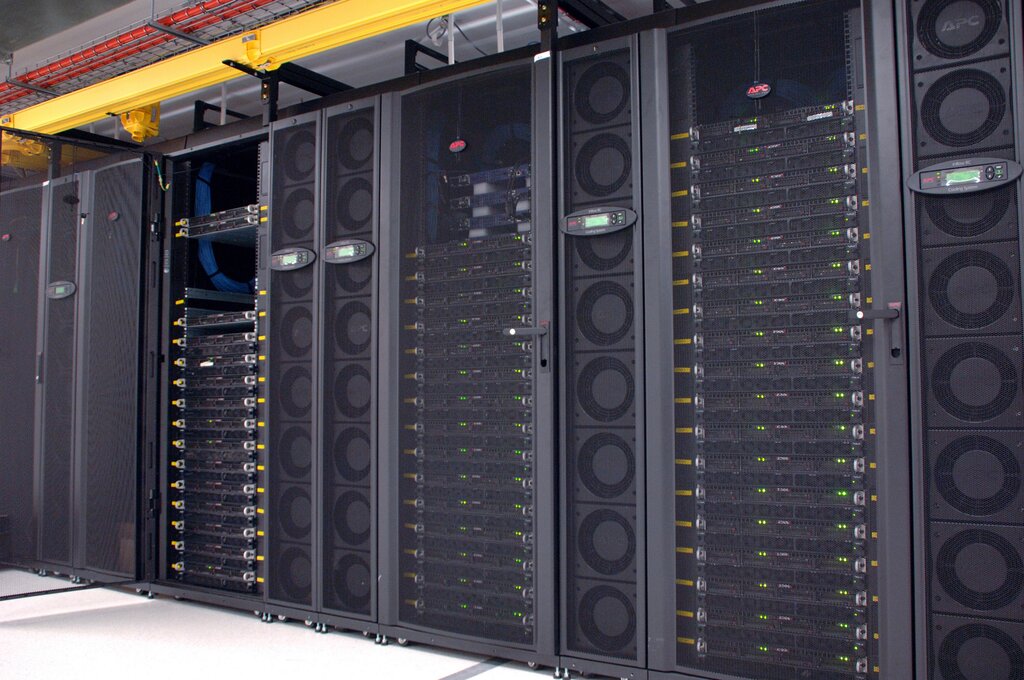
This evolution has transformed the GPU from a niche component for gamers into a cornerstone of modern high-performance computing.
Now, let's test your understanding of these core concepts.
What was the primary, original function of a Graphics Processing Unit (GPU)?
The core architectural principle that gives a GPU its power is known as:
From their start in gaming to their current role in powering AI, GPUs have become fundamental pieces of modern technology, all thanks to their unique ability to tackle huge problems in parallel.