Government Bonds Explained
Introduction to Government Bonds
Loaning Money to the Government
Governments, like people, sometimes need to borrow money. Building new schools, repairing highways, or funding large public projects costs a lot. When a government needs to raise funds, one of the most common ways it does so is by selling bonds.
A government bond is essentially a loan you make to the government. In exchange for your money, the government promises to pay you back in full on a specific date, and in the meantime, it pays you regular interest payments.
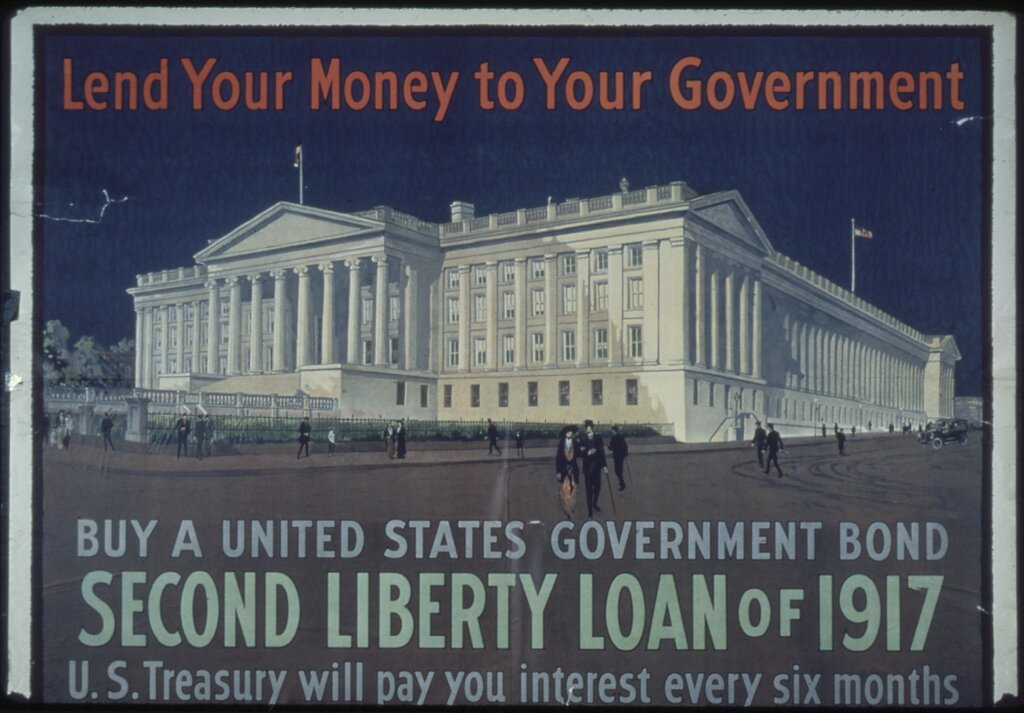
Think of it like an IOU. You give the government money today, and they give you a certificate—the bond—that details how much they owe you, how much interest they'll pay, and when they'll pay you back. This setup allows the government to fund its projects immediately and pay back the debt over time.
Because these loans are backed by the full faith and credit of the government, which can raise money through taxes, they are generally considered one of the safest investments you can make. The risk of a major government failing to pay back its debt is very low.
The Anatomy of a Bond
Every bond is defined by three key components that spell out the exact terms of the loan.
Face Value
noun
The amount of money the bond is worth when it is paid back in full. It is also known as the principal or par value.
The face value is the price the government agrees to pay back to the bondholder once the loan term is over. If you buy a bond with a $1,000 face value, you'll get $1,000 back when it's time for the government to settle its debt.
Coupon Rate
noun
The annual interest rate paid on a bond, expressed as a percentage of the face value.
The coupon rate determines the interest payments you receive. These payments are called coupons. If you own a $1,000 bond with a 4% coupon rate, you'll receive $40 in interest each year. These payments are often made semi-annually, so in this case, you'd get two payments of $20.
Maturity Date
noun
The date on which the government repays the face value of the bond to the investor and stops making interest payments.
The maturity date marks the end of the bond's life. On this day, the government makes its final interest payment and returns the original loan amount—the face value—to the bondholder.
So, when you buy a government bond, you know exactly how much you'll be paid in interest, how often you'll receive it, and the precise date you'll get your original investment back.
Time to check your understanding of these core concepts.
Why do governments typically issue bonds?
If you own a bond with a $1,000 face value and a 5% coupon rate, how much interest will you receive annually?
This simple structure makes government bonds a foundational piece of the financial world, providing a predictable way for governments to borrow and for people to save.