Gotthold Ephraim Lessing Enlightenment Thinker
Introduction to Lessing
A Rebel in the Age of Reason
Gotthold Ephraim Lessing was born in 1729, the son of a pastor in a small Saxon town. His father hoped he would follow him into the clergy, and for a time, Lessing seemed on track. He enrolled at the University of Leipzig to study theology. But Leipzig, a bustling center of commerce and culture, offered more than just lectures on divinity. It had theaters, lively debates, and new ideas buzzing in the air. Lessing was hooked.
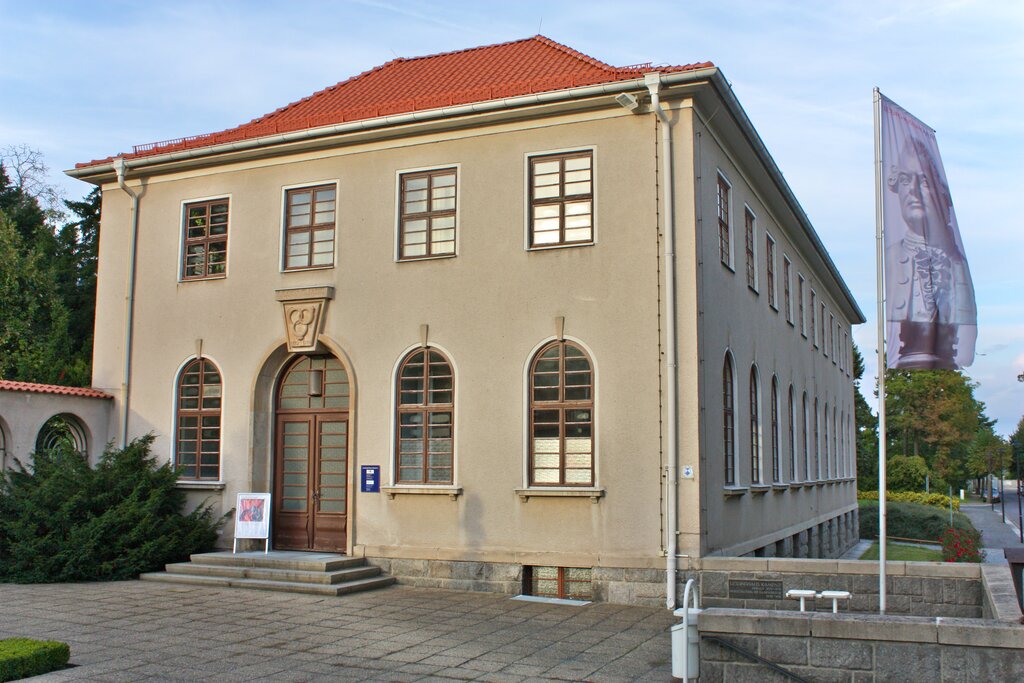
He soon abandoned theology for medicine, and eventually abandoned formal studies altogether to become a freelance writer, critic, and playwright. This was a risky path in the 18th century. It meant a life of financial uncertainty, moving from city to city—Leipzig, Berlin, Hamburg—in search of work. But it also gave him independence. Lessing wasn't tied to a university or a royal court. He was free to think, question, and, most importantly, argue.
Germany's Awakening
Lessing came of age during the height of the German Enlightenment, known as the Aufklärung. Like the broader European Enlightenment, this movement championed reason, criticism, and individual liberty. Thinkers believed that humanity could improve itself by casting off the chains of superstition, dogma, and unquestioned tradition. The goal was to think for oneself.
However, the German Enlightenment had its own distinct flavor. Unlike in France, where thinkers like Voltaire aimed their critiques directly at the monarchy and the church, German intellectuals were more focused on philosophy, religion, and culture. Germany at the time wasn't a unified nation but a patchwork of over 300 independent states within the Holy Roman Empire. This fragmentation meant there was no single cultural or political center. Intellectual life was more decentralized, and often more abstract.
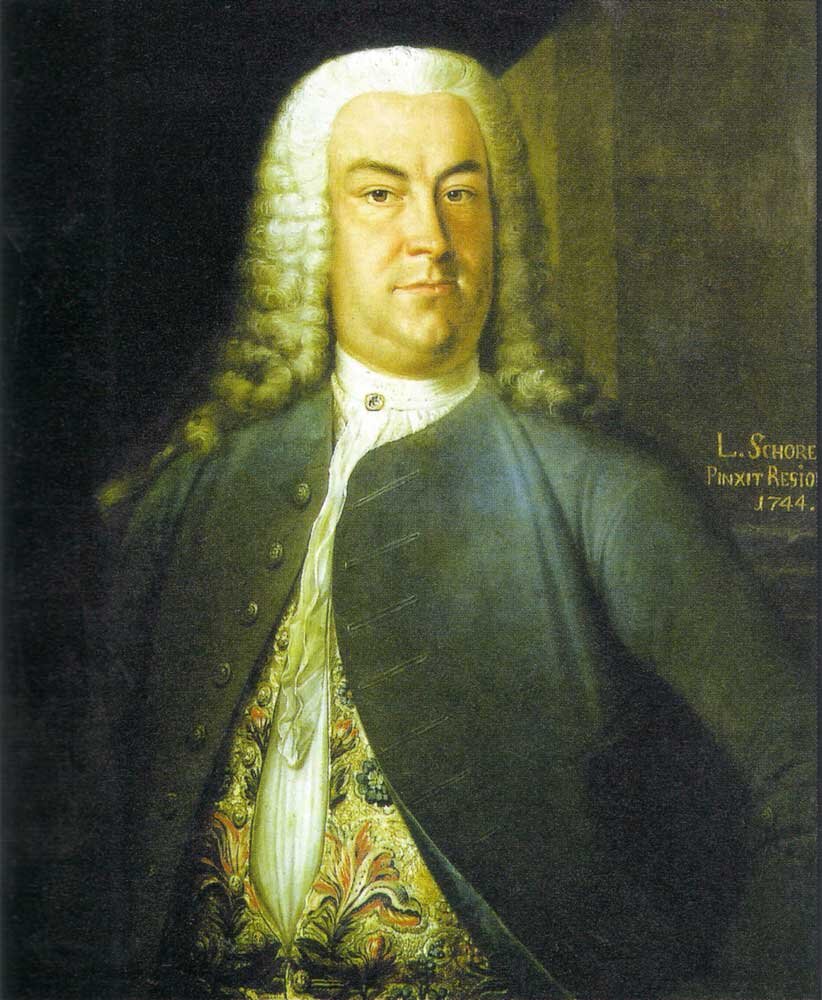
Before Lessing, German literature was often seen as second-rate, heavily imitating French models. Figures like Johann Christoph Gottsched tried to reform the German stage by imposing strict, rational rules based on French classicism. While well-intentioned, this approach was rigid and stifled creativity. A new generation was needed to forge a uniquely German cultural identity, one grounded in the spirit of the Enlightenment but also full of life and emotion.
The Power of the Pen
This was the world Lessing entered. He saw the theater and the written word not just as entertainment, but as tools for public education. He believed that art should make people think and feel, encouraging them to become more compassionate, tolerant, and rational individuals. His entire career was a demonstration of the Enlightenment ideal in action: using critical reason to examine everything from ancient sculpture to religious doctrine to the state of German theater.
He engaged in fierce public debates, known as polemics, with other intellectuals. For Lessing, truth wasn't a static object to be possessed, but a goal to be pursued through constant questioning and open-minded struggle. This belief shaped his writing, which is always dynamic, probing, and conversational. He didn't just give his readers answers; he invited them into the debate.
Lessing's work wasn't about telling people what to think, but rather how to think: critically, independently, and with empathy.
This foundation in Enlightenment ideals is the key to understanding all of Lessing's major works. His plays weren't just dramas; they were arguments for religious tolerance and humanism. His critical essays weren't just literary theory; they were manifestos for a new kind of art. By understanding the context of the Aufklärung, we can see Lessing not just as a writer, but as a cultural reformer who helped shape modern German thought.
What career path did Gotthold Ephraim Lessing ultimately pursue after abandoning his formal studies in theology and medicine?
How did the German Enlightenment, or Aufklärung, primarily differ from the Enlightenment in France?