Gothic Literature Explored
Origins of Gothic Literature
The Age of Reason and Dread
The 18th century was a time of bright lights and sharp minds. Known as the Enlightenment or the Age of Reason, this period celebrated logic, scientific discovery, and human intellect. Thinkers like Voltaire and Isaac Newton championed order and rational thought, pushing back against superstition and chaos. Society, politics, and art all seemed to be moving toward a more structured, understandable world. But in the shadows of this well-lit era, a different kind of story was brewing, one that valued mystery over clarity and fear over comfort.
The Gothic genre emerged in the late 18th century as a reaction against the rationalism of the Enlightenment and the constraints of neoclassicism
This new genre, which came to be known as Gothic literature, turned its back on the neat, predictable world of the Enlightenment. Instead of celebrating reason, it explored the power of intense emotion. It traded scientific certainty for the thrilling uncertainty of the supernatural. Ghosts, curses, and ancient prophecies became the new tools of storytelling.
Awe, Terror, and the Sublime
A key concept for Gothic writers was the sublime. This wasn't just about beauty; it was about an overwhelming feeling of awe mixed with a touch of terror. Imagine standing before a massive, crumbling cathedral or looking out over a stormy, wild landscape. The feeling of being small and vulnerable in the face of something vast and powerful—that’s the sublime. Gothic authors sought to create this feeling not just with settings, but with emotions, pushing characters to the brink of passion, madness, and despair.
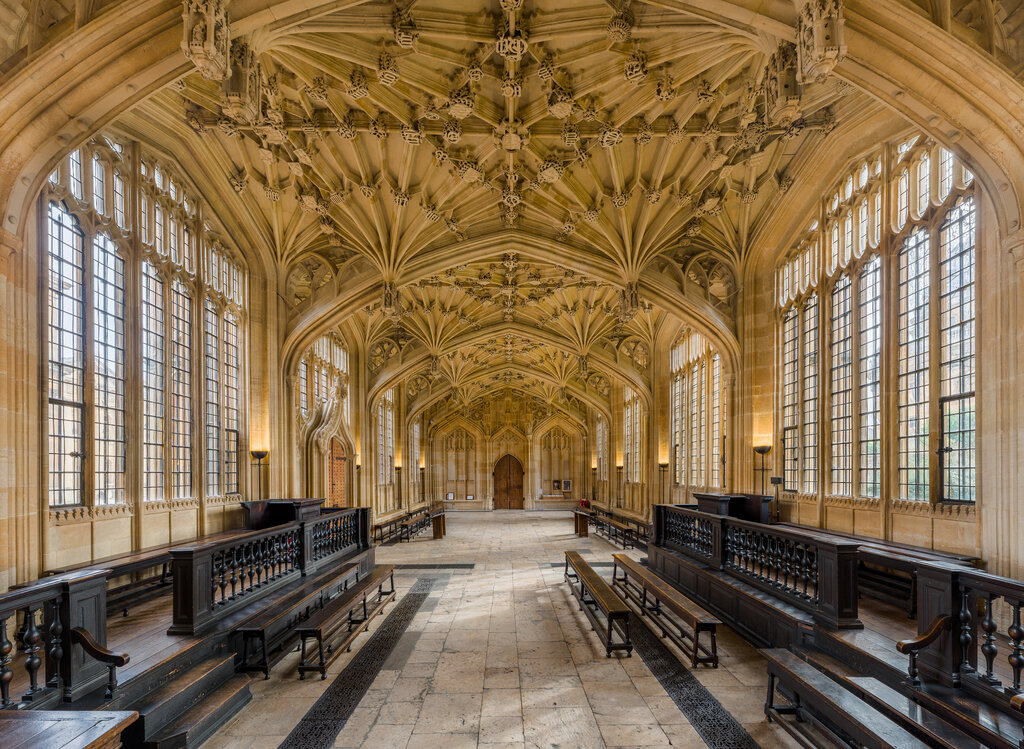
Gothic literature found its inspiration in the medieval past, with its grand castles, dark monasteries, and tales of chivalry. But it wasn't trying to accurately recreate history. Instead, it used the medieval setting as a stage for exploring the darker corners of the human psyche.
The First Gothic Story
The genre officially kicked off in 1764 with a strange and sensational novel called The Castle of Otranto. The author, Horace Walpole, was the son of a former prime minister and a man obsessed with Gothic architecture. He even built his own mock-Gothic castle, Strawberry Hill House.
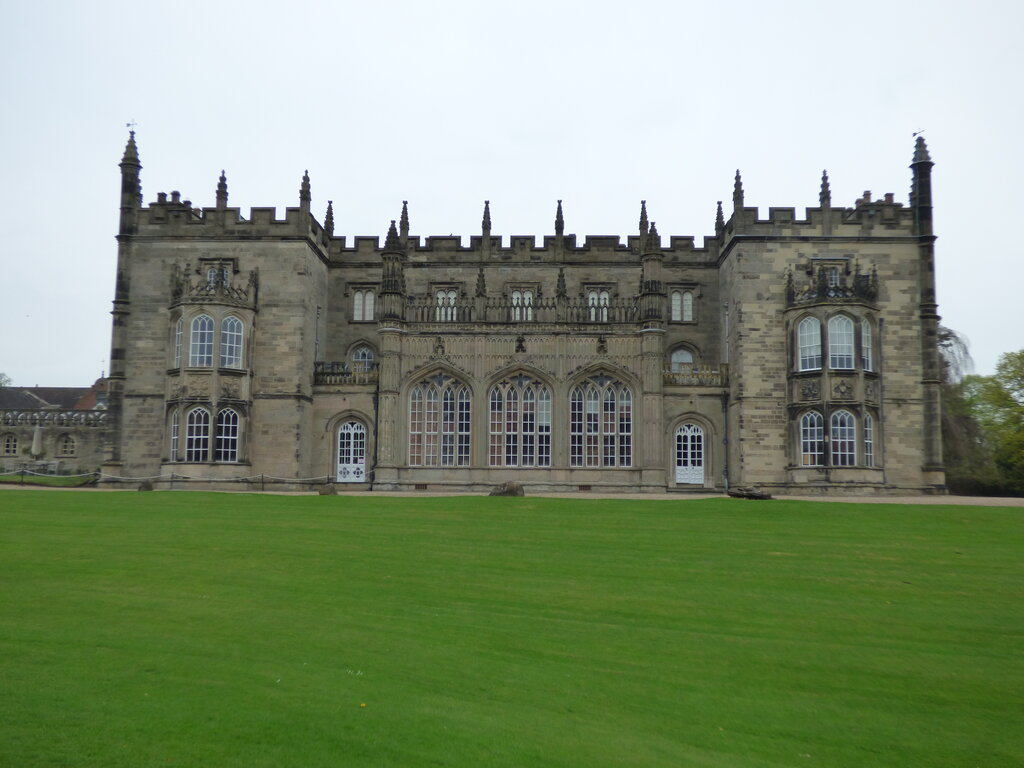
Walpole claimed the story came to him in a dream. It has all the hallmarks of a classic Gothic tale. There's a tyrannical lord, Manfred, who tries to force a young woman, Isabella, to marry him after his own son is mysteriously crushed by a giant helmet. From there, the story unfolds with secret passages, haunted portraits, and a prophecy that spells doom for Manfred's family line.
The Castle of Otranto established the essential ingredients of Gothic fiction: a haunted setting, a villain, a damsel in distress, and a dose of the supernatural.
At first, Walpole published the book anonymously, pretending it was a translation of a medieval Italian manuscript. But its wild popularity encouraged him to reveal his authorship in the second edition. He subtitled it "A Gothic Story," deliberately reclaiming a word often used to mean "barbaric" or "old-fashioned." For Walpole and the writers who followed him, "Gothic" now meant mysterious, imaginative, and thrillingly emotional. A new literary tradition was born.