Gospel Reliability Ancient Texts
Introduction to the Gospels
Meet the Gospels
At the beginning of the New Testament, we find four remarkable accounts of the life of Jesus: Matthew, Mark, Luke, and John. These are known as the Gospels. They aren't just biographies in the modern sense; they are carefully crafted narratives, each painting a unique portrait of Jesus to communicate a powerful message.
Think of them as four different artists painting the same person. Each artist has a distinct style and focuses on different aspects of their subject. The result is four portraits that, when viewed together, give a richer and more complete understanding of who Jesus was and what he taught.
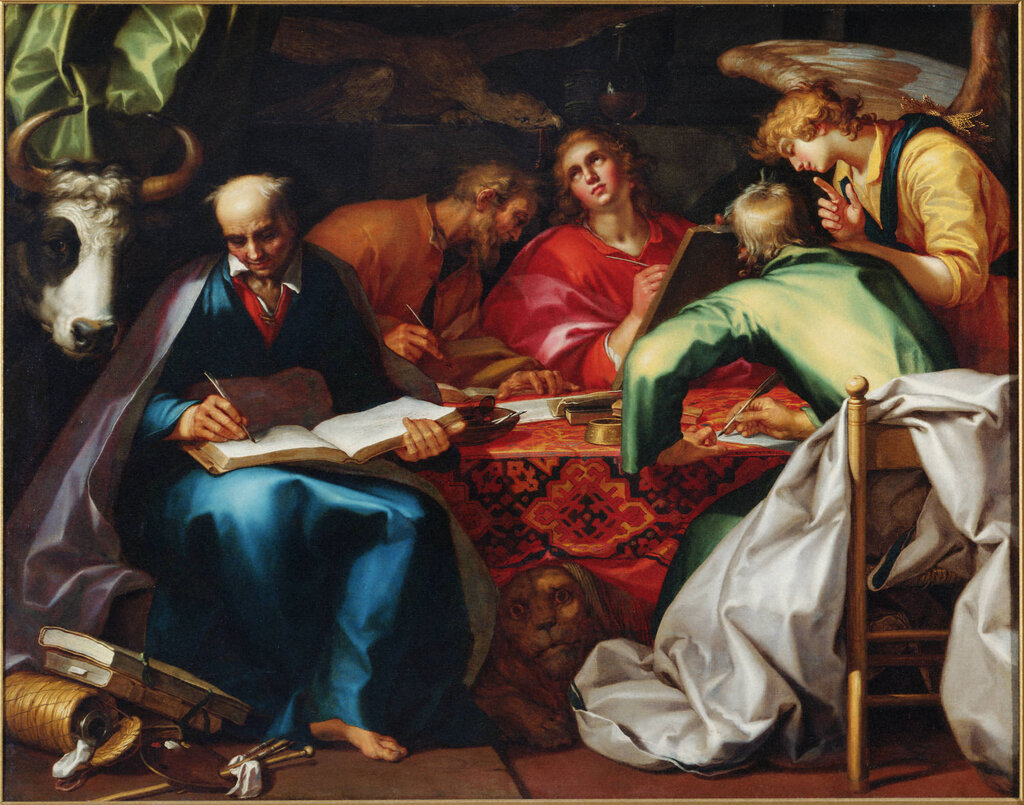
Here's a quick look at the four Gospels and their distinct focus:
| Gospel | Primary Audience | Portrait of Jesus | Key Feature |
|---|---|---|---|
| Matthew | Jewish Christians | The Promised King (Messiah) | Shows Jesus fulfilling Old Testament prophecy. |
| Mark | Roman Christians | The Powerful Son of God | Fast-paced and action-oriented. |
| Luke | Gentile (non-Jewish) Christians | The Savior for All People | Emphasizes inclusion of outcasts and the poor. |
| John | All believers | The Divine Word Made Flesh | Deeply theological and symbolic. |
The World of the Gospels
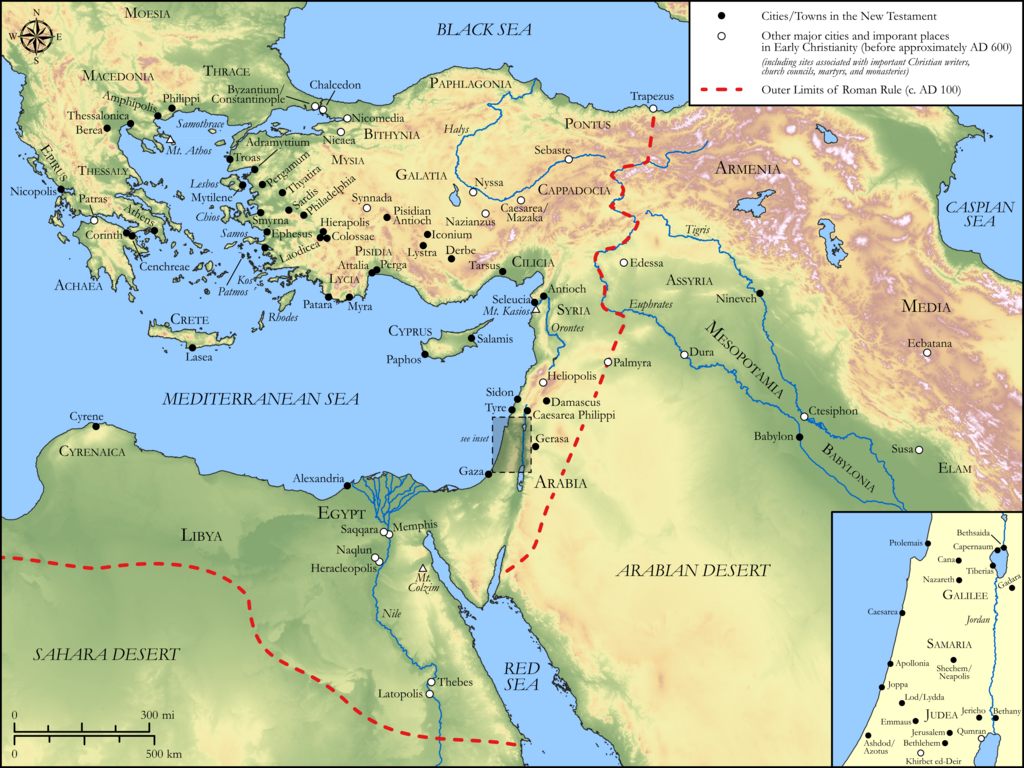
To understand the Gospels, we need to step into the world where they were written. First-century Palestine was a complex and tense place. It was part of the vast Roman Empire, and Roman soldiers were a constant presence. This occupation fueled a deep longing among many Jewish people for a Messiah, a promised deliverer who would restore Israel's freedom and glory.
This wasn't a uniform society. Various Jewish groups had different ideas about faith and life under Roman rule. The Pharisees were strict observers of religious law, respected by the common people. The Sadducees were the wealthy, priestly class who cooperated with Rome to maintain their power. Others, like the Essenes, withdrew into the desert to live a pure life, awaiting God's intervention.
It was into this politically charged and religiously diverse world that Jesus began his ministry. The Gospels record how his teachings about the "kingdom of God" challenged the expectations of everyone, from Roman authorities to Jewish leaders and ordinary villagers.
A New Kind of Story
The Gospels don't fit neatly into any modern literary category. They have elements of biography, history, and theological argument, all woven together. The scholarly term for their genre is bios, which is an ancient form of life-story. Unlike modern biographies that often aim for detached objectivity, an ancient bios was written to praise, persuade, or teach its readers by highlighting the subject's character and significance.
The Gospel writers weren't just recording facts; they were making a case. They selected and arranged stories and teachings from Jesus's life to show their audiences who he was and why he mattered.
For example, Matthew often quotes the Old Testament to prove to his Jewish readers that Jesus is the long-awaited Messiah. Luke, writing for a broader, non-Jewish audience, traces Jesus's ancestry all the way back to Adam, showing he is the savior for all humanity. Mark's rapid-fire narrative emphasizes Jesus's power and authority, a message that would resonate with a Roman audience that valued strength. And John uses profound, poetic language to explore Jesus's divine identity.
Understanding these distinct purposes and audiences is the first step in appreciating the depth and power of these foundational texts.
Now, let's test your understanding of these foundational concepts.
Which of the following best describes the literary genre of the Gospels?
If a Gospel frequently quotes the Old Testament to show how Jesus fulfilled prophecies, who is its most likely intended audience?