Gospel of Thomas Secret Sayings Unveiled
Introduction to the Gospel of Thomas
A Different Kind of Gospel
The Gospel of Thomas doesn't tell a story. Unlike the four gospels in the New Testament, it has no narrative of Jesus's life, death, or resurrection. There are no miracles, no parables with lengthy explanations, and no plot. Instead, it’s a collection of 114 sayings, or logia, attributed to Jesus. Some of these sayings are familiar, echoing verses from Matthew and Luke. Others are cryptic and strange, hinting at a hidden wisdom.
The text begins with a simple, compelling promise: "These are the secret sayings that the living Jesus spoke and Didymos Judas Thomas recorded. And he said, 'Whoever finds the interpretation of these sayings will not experience death.'"
This gospel is considered an apocryphal text. It wasn't included in the official canon of the New Testament when early church leaders compiled it centuries ago. For a long time, it was known only through brief mentions by early Christian writers, who often dismissed it as heresy.
apocryphal
adjective
Relating to biblical writings not forming part of the accepted canon of Scripture. The word comes from a Greek term meaning 'hidden things.'
Scholars debate its origins. Some believe an early version of Thomas might date to the first century, around the same time as the canonical gospels. This would make it an independent witness to the sayings of Jesus. Others argue for a second-century date, suggesting it was written after the New Testament gospels and was influenced by developing Gnostic traditions.
Found in a Jar
For nearly 1,600 years, the Gospel of Thomas was lost to history. Then, in 1945, an Egyptian farmer named Muhammed al-Samman made a remarkable discovery near the town of Nag Hammadi in Upper Egypt. While digging for fertilizer, he unearthed a large sealed jar.
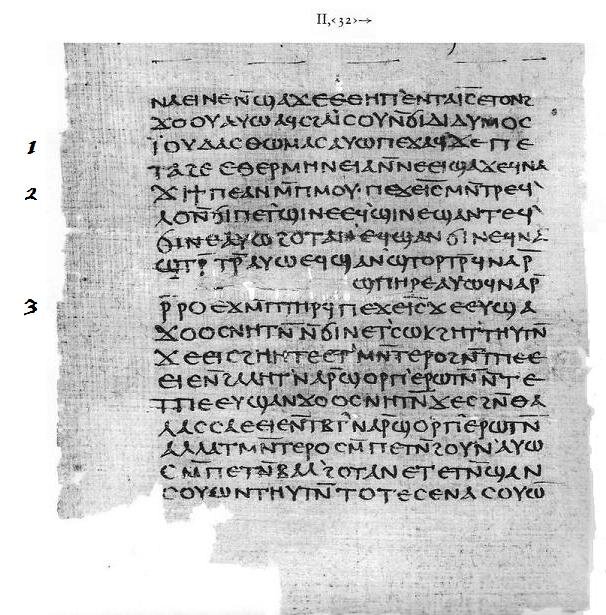
Inside the jar were thirteen leather-bound papyrus books, known as codices. These texts, written in Coptic, were part of a hidden library from an ancient Christian monastery. Among them was a complete copy of the Gospel of Thomas. This collection, now called the Nag Hammadi library, opened a new window into the diverse and sometimes contentious world of early Christianity.
If we admit that some of these fifty-two texts represents early forms of Christian teaching, we may have to recognize that early Christianity is far more diverse than nearly anyone expected before the Nag Hammadi discoveries.
Gnostic Elements
The Nag Hammadi library is a treasure trove of Gnostic texts, and the Gospel of Thomas fits right in. Gnosticism was a diverse set of religious movements that flourished in the first few centuries AD. Gnostics held that salvation came through gnosis, a Greek word for 'knowledge'. This wasn't ordinary knowledge, but a secret, divine wisdom revealed to a select few.
The Gospel of Thomas reflects this worldview. It emphasizes understanding Jesus's secret teachings as the path to eternal life, rather than faith in his death and resurrection. The focus is internal. The 'kingdom of God' isn't a future place but a present state of being, available to those who know how to see it. This introspective and knowledge-centered approach is a hallmark of Gnostic thought and sets it apart from the teachings that would come to define mainstream Christianity.
| Feature | Canonical Gospels (e.g., Mark) | Gospel of Thomas |
|---|---|---|
| Format | Narrative of Jesus's life | Collection of sayings |
| Content | Miracles, parables, passion story | 'Secret' teachings, wisdom |
| Path to Salvation | Faith in Jesus's death/resurrection | Interpretation of hidden knowledge |
| Focus | External events, community faith | Internal enlightenment, individual |
Understanding these core differences is the first step. The Gospel of Thomas isn't just another account of Jesus's life; it's a window into a different way of thinking about his message and its meaning.
Ready to check your understanding of this fascinating text?
What is the primary literary structure of the Gospel of Thomas?
The complete Coptic version of the Gospel of Thomas was discovered in 1945 as part of a collection of texts known as the...
With this foundation, we can begin to explore the specific sayings and their deeper, often mystical, interpretations.