Google Large Language Models Explained
Introduction to Large Language Models
What Are Large Language Models?
A large language model, or LLM, is a type of artificial intelligence designed to understand and generate human-like text. Think of it as a sophisticated pattern-recognition machine for language. It learns the statistical relationships between words, phrases, and sentences by analyzing enormous amounts of text data.
Large Language Model
noun
A type of artificial intelligence model trained on vast amounts of text data to understand, generate, and manipulate human language.
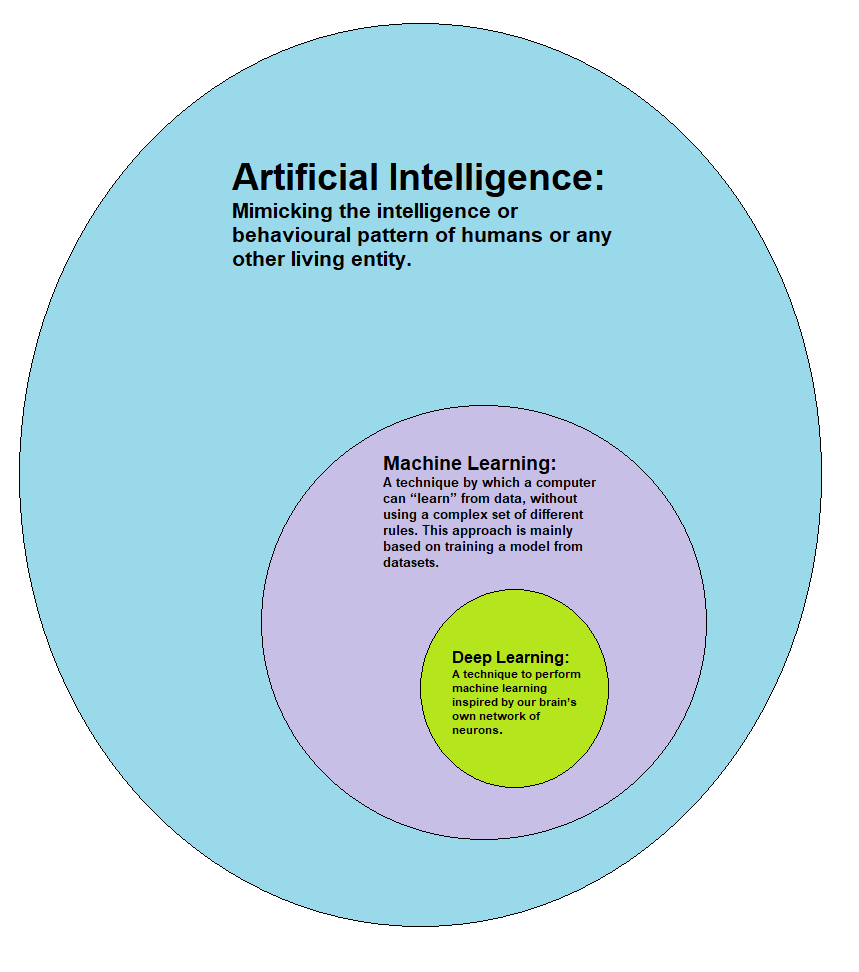
At their core, LLMs are a product of deep learning, a subfield of machine learning that uses neural networks with many layers to analyze data. The "large" in their name refers to two things: the immense size of the text datasets they are trained on and the huge number of parameters they contain.
The Engine Inside: Transformers
The major breakthrough that enabled modern LLMs was the invention of the Transformer architecture in 2017. Before Transformers, models processed text sequentially, like reading a sentence one word at a time. This method struggled with long-term context. If a sentence was long, the model might forget what the beginning was about by the time it reached the end.
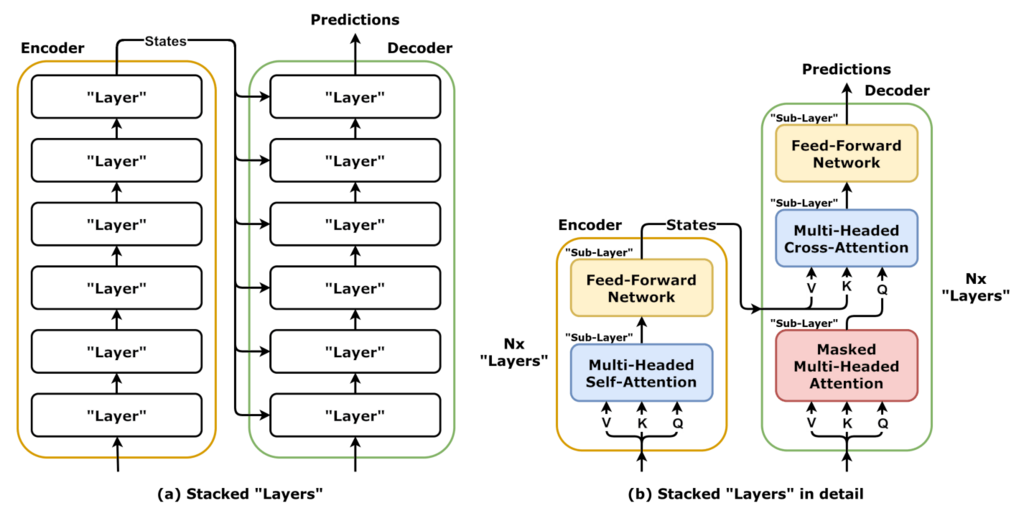
Transformers changed the game with a powerful concept called the attention mechanism. This allows the model to process all the words in a sentence at once and weigh the importance of different words when producing an output. It can figure out which words are most relevant to which other words, no matter how far apart they are.
For example, in the sentence, "The robot picked up the ball and threw it," the attention mechanism helps the model understand that "it" refers to "the ball" and not "the robot."
The Transformer architecture is typically composed of two main parts: an encoder and a decoder. The encoder's job is to read the input text and build a rich numerical representation that captures its meaning. The decoder then takes this representation and generates the output text, one word at a time, using the context provided by the encoder.
How an LLM Learns
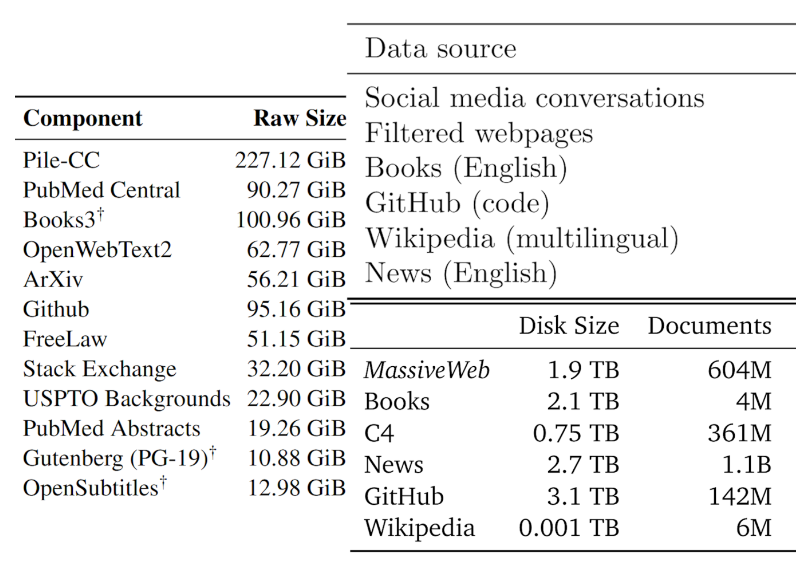
Training an LLM is a massive undertaking. It begins with collecting a gargantuan dataset, often scraped from the internet, containing everything from websites and articles to books and code. This text represents a vast swath of human knowledge and communication.
The primary training method is often self-supervised learning. The model is given a piece of text with a word missing and tasked with predicting that word. For example, it might see "The quick brown fox jumps over the lazy ___." Its goal is to predict "dog."
This process is repeated billions or even trillions of times. With each prediction, the model adjusts its internal parameters to get closer to the correct answer. These parameters are essentially millions of tiny knobs that define the model's understanding of language. The more data it sees, the better it gets at turning these knobs to make accurate predictions.
The scale is immense. LLMs can have hundreds of billions of parameters and are trained on datasets containing trillions of words. This is why the training process requires enormous computational power and can take weeks or months.
What Can LLMs Do?
Once trained, a foundational LLM can be adapted for a wide variety of Natural Language Processing (NLP) tasks. Because it has learned the underlying structure of language, it can be fine-tuned for specific applications with relatively little extra data. This versatility is one of their greatest strengths.
| Task | Description | Example |
|---|---|---|
| Text Generation | Creating new, coherent text based on a prompt. | Writing an email, a poem, or a short story. |
| Translation | Translating text from one language to another. | Translating a news article from Spanish to English. |
| Summarization | Condensing a long piece of text into a shorter version. | Creating a bulleted summary of a research paper. |
| Question Answering | Providing answers to questions based on a given context. | Finding the answer to a specific question within a document. |
| Sentiment Analysis | Determining the emotional tone of a piece of text. | Classifying a product review as positive, negative, or neutral. |
These are just a few examples. The ability of LLMs to understand context, nuance, and style has unlocked capabilities that were once considered the exclusive domain of human intelligence.
What is the primary function of a Large Language Model (LLM)?
What architectural innovation was a major breakthrough for modern LLMs, allowing them to better handle long-term context in text?
This general understanding of what LLMs are, how they are built, and what they can do provides the foundation for exploring the specific models and innovations that have shaped the field.