Google Gemini for Day Trading
Introduction to Day Trading
What is Day Trading?
Day trading is the practice of buying and selling financial assets within a single trading day. Unlike long-term investors who might hold onto a stock for years, a day trader closes out all their positions before the market closes. The goal isn't to benefit from a company's long-term growth, but to profit from small, short-term price fluctuations.
Day trading is the act of buying and selling a financial instrument within the same day or even multiple times over the course of a day.
This high-paced activity requires traders to make quick decisions based on real-time market data. A position might be held for a few hours, a few minutes, or even just a few seconds. Success hinges on capturing minor price movements, which can add up to significant gains—or losses—when repeated throughout the day.

Day traders thrive on volatility. A flat, quiet market offers few opportunities. When prices are moving, whether up or down, traders can find entry and exit points. This constant motion is the playing field for day trading.
Skills and Tools of the Trade
Successful day trading isn't about luck; it's about skill and preparation. Traders need a unique combination of analytical ability, discipline, and emotional control. You must be able to quickly interpret charts, identify patterns, and make decisions without hesitation. At the same time, you need the discipline to stick to your strategy, even when faced with a potential loss.
In addition to knowledge of basic trading procedures, day traders need to keep up on the latest stock market news and events that affect stocks—the Fed’s interest rate plans, the economic outlook, etc.
To execute their strategies, traders rely on a few key tools:
- Trading Platforms: This is the software used to place buy and sell orders. Modern platforms provide direct market access, ensuring trades are executed in fractions of a second.
- Charting Software: Tools that visualize price movements are essential. Traders use these to perform technical analysis, looking for patterns that might predict future price action.
- Real-time News Feeds: Market-moving news can cause prices to shift dramatically. Access to up-to-the-minute information is crucial for anticipating these changes.
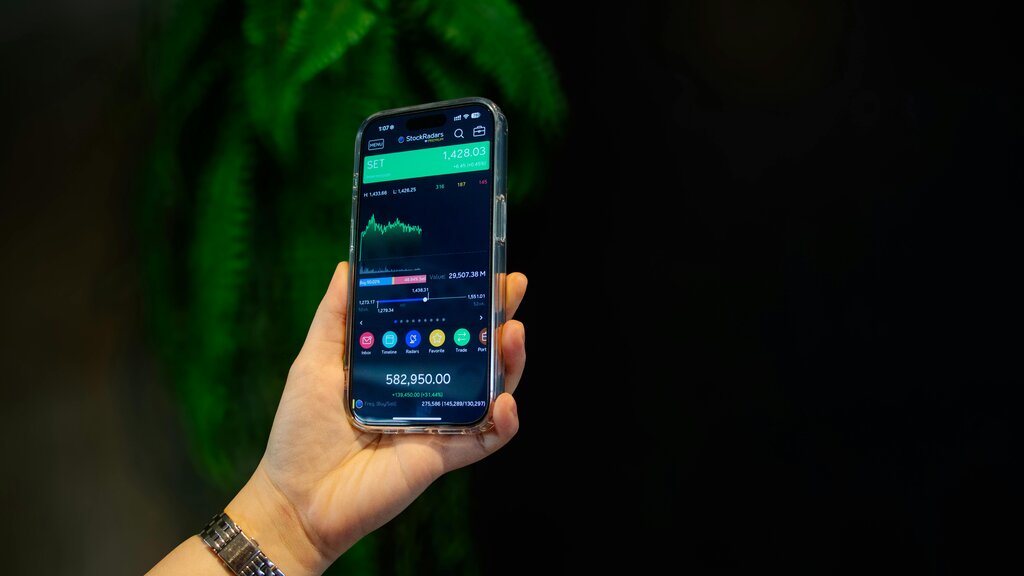
Managing the Risks
The potential for profit in day trading is matched by its potential for risk. Because trades often involve leverage—borrowing money to increase the size of a position—even small market movements can lead to large losses. This is why risk management is arguably the most important skill a day trader can learn.
Especially, intraday trading is one of the most profitable and risky tasks because of the intraday behaviors of the financial market that reflect billions of rapidly fluctuating capitals.
A core principle of risk management is to define your risk before entering a trade. This usually involves setting a stop-loss order, which is an instruction to automatically sell a position if it falls to a certain price. This acts as a safety net, capping your potential loss on any single trade.
A common rule of thumb is to never risk more than 1% of your total trading capital on a single trade. If you have a 💲50,000 account, your maximum loss per trade should be no more than 💲500.
Beyond the financial risks, there's a significant psychological component. The fast pace and high stakes can be emotionally draining. Fear and greed are powerful emotions that can lead to impulsive decisions, like abandoning a sound strategy or taking on too much risk. Successful traders learn to manage these emotions, treating trading as a disciplined business rather than a gambling spree.
Ready to test your understanding of these core concepts?
What is the primary goal of a day trader?
A day trader sets an instruction to automatically sell a position if it falls to a certain price to limit potential losses. What is this tool called?
Day trading is a demanding field that requires a specific set of skills, tools, and a resilient mindset. It's not for everyone, but for those who master its principles, it can be a path to financial independence.