Google Gemini Explained
Introduction to Large Language Models
What Are Large Language Models?
A large language model, or LLM, is a type of artificial intelligence designed to understand and generate human language. Think of it as a very advanced autocomplete. It predicts the next word in a sequence based on the words that came before it. By doing this over and over, it can write sentences, paragraphs, and even entire articles.
A large language model (LLM) is an AI model trained on massive amounts of text data that can understand and generate human-like text, recognize patterns in language, and perform a wide variety of language tasks without task-specific training.
The “large” in the name refers to two things: the immense amount of text data they are trained on and the huge number of parameters they contain. A parameter is like a knob the model can tune during training to improve its predictions. The more parameters, the more nuance the model can learn about language.
How LLMs Learn
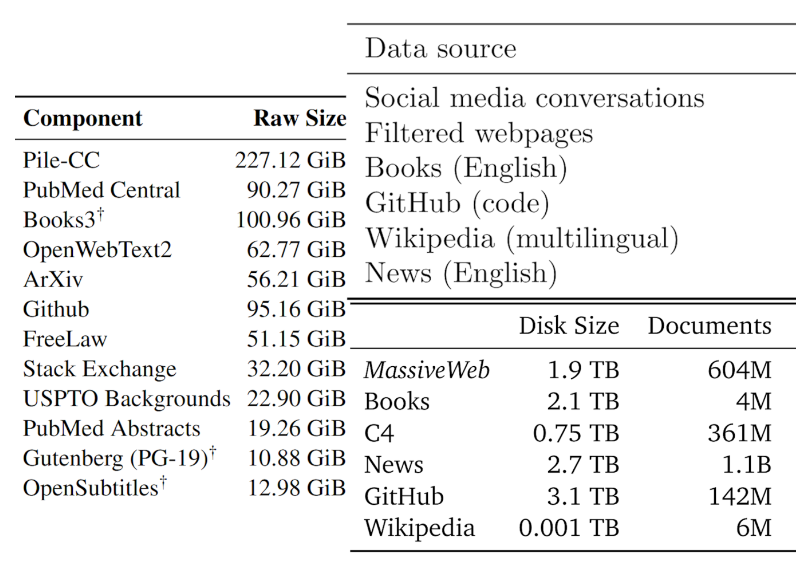
LLMs learn by being trained on vast collections of text from the internet, books, and other sources. This process is like showing a student millions of examples of correct grammar, facts, and conversational styles. The model's job is to find the statistical patterns in this data.
During training, the model is given a piece of text with some words missing and has to guess what they are. It makes a prediction, compares its guess to the actual word, and then adjusts its internal parameters to be more accurate next time. This happens billions of times, gradually making the model better at understanding the relationships between words.
The Transformer Architecture
Most modern LLMs are built on an architecture called the Transformer. Before the Transformer, AI models processed text one word at a time, in order. This made it difficult to keep track of context in long sentences. It was like trying to understand a story by reading it through a tiny peephole.
The Transformer's key innovation is a mechanism called attention. Attention allows the model to look at all the words in a sentence at once and decide which ones are most important for understanding any given word. When processing the word "it" in the sentence, "The cat chased the mouse until it was tired," the attention mechanism helps the model figure out that "it" refers to the cat, not the mouse.
This ability to weigh the importance of different words allows Transformers to handle long-range dependencies and understand context far more effectively than older models.
What Can LLMs Do?
Because they are trained on such diverse text, LLMs are incredibly versatile. They can be used for a wide range of tasks without needing to be retrained for each one. Common applications include:
| Application | Description |
|---|---|
| Text Generation | Writing emails, creating marketing copy, or drafting stories. |
| Summarization | Condensing a long document or article into a few key points. |
| Translation | Translating text from one language to another. |
| Question Answering | Acting as a chatbot or search engine to answer questions. |
| Code Generation | Writing computer code based on a natural language description. |
This flexibility is what makes LLMs so powerful. They provide a general-purpose foundation for many different language-based AI tools.
What is the primary function of a Large Language Model (LLM)?
The "large" in Large Language Model refers to which two aspects?
Large language models are a foundational technology in modern AI, turning the complexities of human language into something a computer can work with.