Google Ads for Audiology Practices
Introduction to Google Ads
What is Google Ads?
Google Ads is an online advertising platform where you can show ads to people who are actively searching for your services. Think of it like a highly targeted version of the Yellow Pages. When a potential patient in your city searches for “hearing test” or “audiologist near me,” your practice can appear right at the top of the search results.
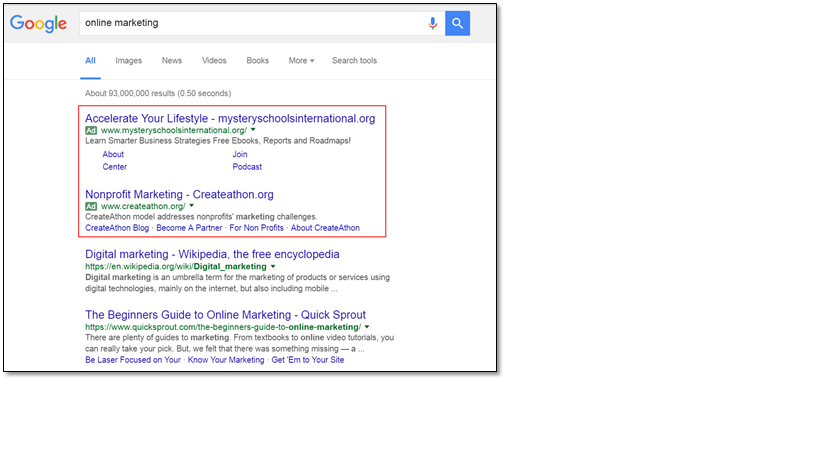
These ads operate on a pay-per-click (PPC) model. That means you don't pay for your ad to just be visible; you only pay when someone actually clicks on it. This system allows you to reach a massive audience with precision, showing your ads on Google Search, YouTube, and other websites across the internet.
The Building Blocks
A Google Ads account is organized in a clear hierarchy. Understanding this structure is the first step to creating effective campaigns that attract new patients.
Campaigns are the highest level of organization. Each campaign has its own budget and settings that determine where and when your ads appear. You might create separate campaigns for different services, like "Hearing Tests," "Hearing Aid Fittings," or "Tinnitus Management."
Ad Groups live inside campaigns. Each ad group contains a set of related keywords and ads. For example, within your "Hearing Aid Fittings" campaign, you could have ad groups for "Behind-the-Ear Aids," "In-the-Canal Aids," and "Pediatric Fittings."
Keywords are the words and phrases that people type into Google to trigger your ads. In your "In-the-Canal Aids" ad group, your keywords might include things like "invisible hearing aids" or "discreet hearing devices."
Ads are the actual text that users see in the search results. A compelling ad in that ad group might read, "Discreet Hearing Aids - Hear Clearly Without Anyone Noticing. Schedule Your Consultation Today!"
How You Win the Ad Spot
When a user searches for one of your keywords, Google runs an auction to decide which ads to show and in what order. But it's not as simple as the highest bidder winning. The auction considers two primary factors: your bid and your Quality Score.
Ad Rank = Bid × Quality Score
Your Bid is the maximum amount you're willing to pay for a single click on your ad.
Your Quality Score is Google's rating of the quality and relevance of your keywords, ads, and landing page (the page on your website a user lands on after clicking your ad). Google wants to show users results that are helpful, so it rewards advertisers who provide a good experience.
A high Quality Score can mean you get a better ad position for a lower price. Let's see how this plays out:
| Advertiser | Max Bid | Quality Score | Ad Rank (Bid x QS) | Ad Position |
|---|---|---|---|---|
| Practice A | $4.00 | 3 / 10 | 12 | 2 |
| Practice B | $2.00 | 10 / 10 | 20 | 1 |
Even though Practice A was willing to pay more per click, Practice B won the top spot because their ad was more relevant and provided a better user experience, earning them a perfect Quality Score. This system rewards quality over just deep pockets.
Why It Works for Audiologists
The power of Google Ads for a local practice comes down to targeting. You can reach potential patients at the exact moment they're raising their hand for help. Someone searching for "hearing loss solutions in [Your City]" has a strong intent to find a solution, making them an ideal person to see your ad.
Geo-targeting features in Google Ads allow photographers to focus their advertisements on specific locations, ensuring they attract local clients who are more likely to book their services.
Just like photographers, audiologists serve a specific local area. You can set your ads to show only to people within a certain radius of your clinic, ensuring you don't waste your budget on clicks from people who are too far away to become patients. This combination of user intent and location targeting makes Google Ads a uniquely effective tool for growing your practice.
Now, let's test your knowledge on these core concepts.
What is the primary payment model for Google Ads described in the text?
In the Google Ads hierarchy, what is the highest level of organization that contains its own budget and targeting settings?
By mastering this structure, you can begin to build campaigns that connect your practice with the people in your community who need you most.