Good Governance for Community Organizations
Introduction to Good Governance
What Is Good Governance?
Governance is the framework of rules, relationships, systems, and processes by which an organization is directed and controlled. It's about who makes decisions, how they make them, and how they're held responsible for those choices. It's not the same as day-to-day management. Management is about doing the work; governance is about ensuring the work is done correctly and in line with the organization's mission and values.
governance
noun
The system of rules and practices an organization uses to direct and control itself.
Think of it like the rules of a board game. The rules don't tell you which specific move to make on your turn, but they provide the structure that ensures everyone plays fairly and works toward the same goal. Good governance provides that structure for an organization.
Why It Matters for Communities
For community-based organizations, good governance isn't just a nice-to-have, it's essential. These groups often rely on the trust and support of their members, volunteers, and donors. When an organization is governed well, it builds confidence. People are more likely to contribute their time and money when they can see that resources are being managed wisely and that decisions are made with the community's best interests at heart.
Good governance helps a community organization stay focused on its mission. It prevents the group from being sidetracked by personal interests or internal conflicts. It also ensures that the organization can weather challenges and continue to serve its community for years to come.
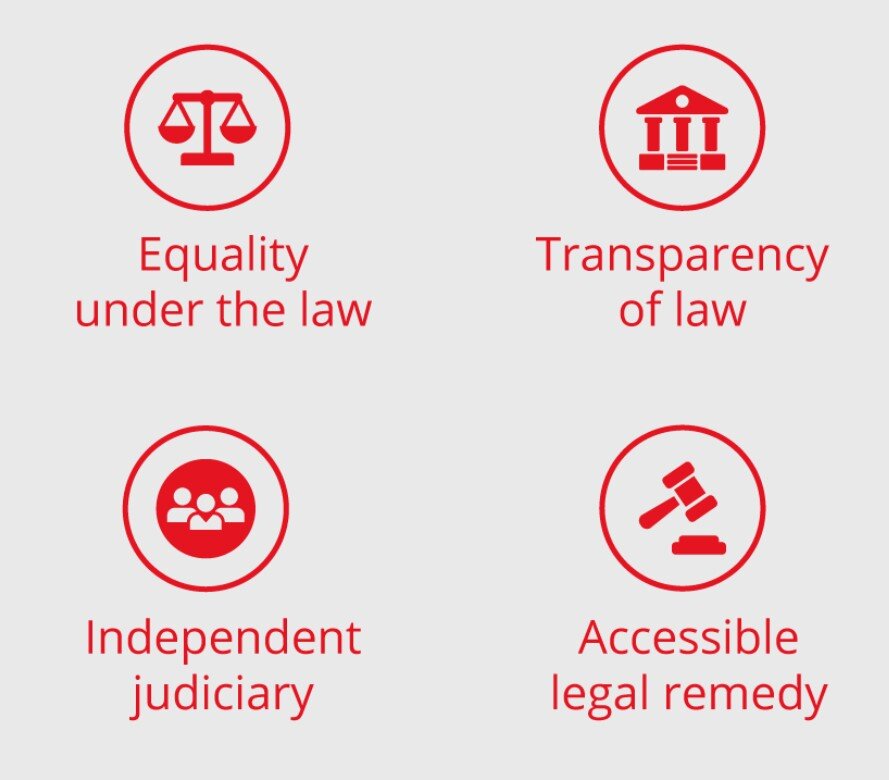
This foundation is built on a few key principles that work together to create a healthy, effective organization.
Core Principles of Good Governance
While there are many aspects to good governance, three principles are especially important for community organizations: accountability, transparency, and inclusiveness.
| Principle | What It Means |
|---|---|
| Accountability | Being answerable for your actions and decisions. |
| Transparency | Operating openly and sharing clear information. |
| Inclusiveness | Ensuring all stakeholders can participate. |
Let's break these down.
Accountability means that the people in charge are responsible to the organization and its members for their performance. If a leadership team makes a decision, they should be able to explain why they made it and be prepared to answer for the outcome. This creates a culture of responsibility, not blame.
Transparency is about being open. A transparent organization makes its decisions and policies accessible to its members. It shares information about its finances, its successes, and its struggles. When people feel they have access to information, they are more likely to trust the organization and feel a sense of ownership.
Finally, inclusiveness ensures that all members of the community have the opportunity to participate in the organization's processes. This means actively seeking out diverse voices and perspectives, not just listening to the loudest ones. An inclusive organization is stronger because it benefits from a wider range of ideas, experiences, and skills.
When people feel included, they are more engaged. When they are more engaged, the organization thrives.
Ready to check your understanding? Let's review these core concepts.
Which statement best describes the primary role of governance in an organization?
Why is good governance particularly crucial for community-based organizations?
Together, accountability, transparency, and inclusiveness form a powerful framework that helps community organizations build trust, achieve their goals, and make a lasting positive impact.