Golf Fundamentals
Golf Equipment
Your Golf Toolkit
Golf is a game of skill, but having the right equipment makes it much more enjoyable. Before you step onto the course, you'll need a few key items. Think of it as assembling a toolkit for the game. The essentials fall into a few categories: clubs for hitting the ball, the ball itself, and a few small but important accessories.
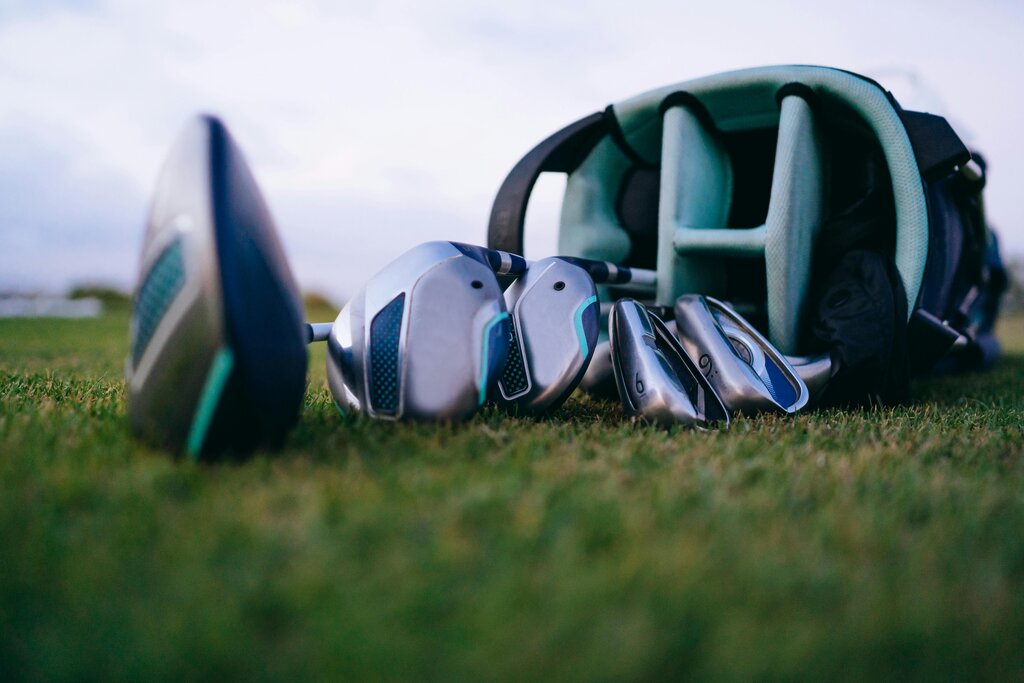
Choosing Your Clubs
Your clubs are your most important tools. While you're allowed to carry up to 14 clubs in your bag, you can start with a smaller, more basic set. The key is knowing what each type of club is for.
Clubs are designed to hit the ball different distances and heights. The lower the club's number, the farther the ball will generally travel.
Drivers and Woods: These are the long-range clubs. The driver, also called the 1-wood, has the largest head and is used to hit the ball as far as possible from the tee box at the start of a hole. Other woods (like a 3-wood or 5-wood) are also used for long shots, either from the tee or the fairway.
Irons: These are the most versatile clubs in the bag, used for most shots from the fairway. They are numbered, typically from 3 to 9. A 3-iron will hit the ball a long distance with a low trajectory, while a 9-iron will hit it a shorter distance with a high trajectory.
Wedges: Wedges are high-lofted clubs designed for short, precise shots close to the green. The most common are the pitching wedge (PW) for shots onto the green and the sand wedge (SW) for getting out of sand bunkers.
Putter: This is a specialized club used only on the green. Its flat face is designed to roll the ball smoothly into the hole. There are many different shapes and sizes, but they all serve the same purpose.
The Ball, Tee, and Tools
Beyond clubs, a few small items are essential for every round.
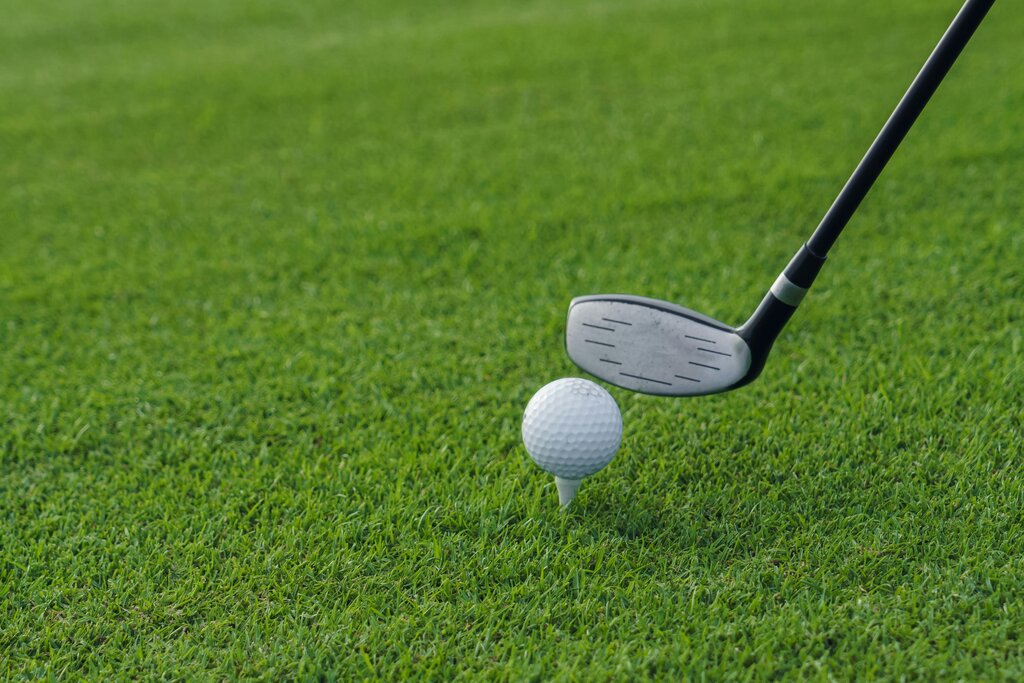
Golf Balls: It might seem like all golf balls are the same, but they have different characteristics. Some are designed for maximum distance, while others offer more spin and control for shots around the green. As a beginner, it's best to use durable, less expensive balls, as you'll likely lose a few.
Tees: A tee is a small peg used to hold the ball up off the ground for your first shot on each hole. This makes it easier to hit cleanly. Tees come in different heights; you’ll use a longer tee for your driver and a shorter one if you use an iron from the tee box.
Ball Marker: When your ball is on the green, you often need to pick it up to clean it or get it out of the way of another player's putt. A ball marker, which can be a small flat object like a coin, is used to mark its spot so you can replace it accurately.
Divot Repair Tool: When an iron shot strikes the ground, it can scoop out a chunk of turf called a divot. Good etiquette requires you to repair it. A divot tool is a small, two-pronged tool used to gently push the surrounding turf back into place, helping the grass heal quickly.
What to Wear
Most golf courses have a dress code to maintain the traditions of the game. While it varies from course to course, some general rules usually apply. It's always a good idea to check the specific course's website before you go.
| Item | Typically Required | Typically Not Allowed |
|---|---|---|
| Shirts | Collared shirts (polos) | T-shirts, tank tops |
| Pants | Slacks, khakis, or golf shorts | Jeans, cargo shorts, athletic pants |
| Shoes | Golf shoes (spiked or spikeless) | Sandals, boots, metal spikes |
| Headwear | Baseball caps, visors | Hats worn backward |
The goal is to look neat and presentable. Golf shoes are also important for providing traction and stability during your swing.
Which club is specifically designed for hitting long-distance shots from the tee box at the beginning of a hole?
A golfer needs to hit a shot from the fairway with a low trajectory that travels a long distance. Which of these clubs would be the most appropriate choice?
With the right gear in hand, you're ready to learn about navigating the course itself.