Golf Fundamentals
Introduction to Golf
What Is Golf?
Golf's origins trace back to 15th-century Scotland, where players would hit pebbles over sand dunes with a stick. While the equipment has changed, the goal remains elegantly simple: get a small ball from a starting point, called the teeing ground, into a hole with the fewest possible strokes.
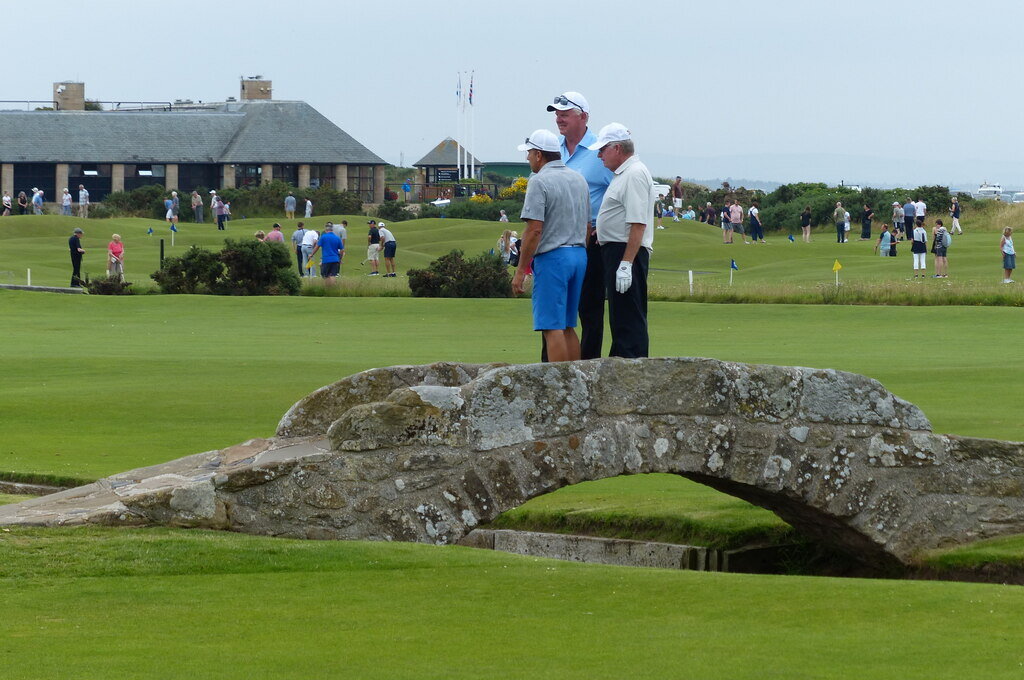
A standard round of golf consists of playing 18 holes. Each hole has a predetermined number of strokes a skilled golfer should take to complete it, known as "par." Your score is the total number of strokes you take across all holes. The lower your score, the better.
Your Basic Toolkit
You don't need to be a professional to get started, but you do need some basic equipment. The essentials are clubs, balls, a golf bag to carry them, and tees to prop up your ball for the first shot on each hole.
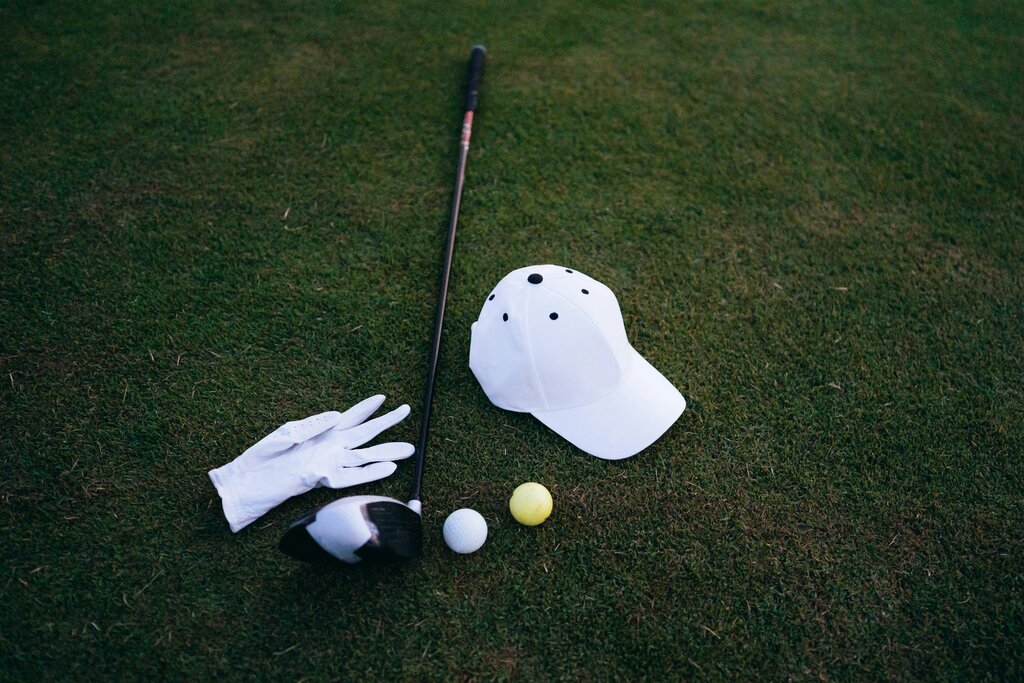
Golf balls have a dimpled surface designed to reduce air drag, helping them fly farther and more accurately. Golf bags make it easy to carry your clubs and other accessories like extra balls, tees, and a water bottle around the course.
The most important and varied pieces of equipment are your clubs. You are allowed to carry up to 14 clubs in your bag during a round, each designed for a different type of shot.
Choosing the Right Club
Golf clubs fall into three main categories: woods, irons, and putters. Choosing the right one depends on how far you are from the hole and where your ball is lying.
| Club Type | Primary Use | Typical Distance |
|---|---|---|
| Woods | Long-distance shots from the tee or fairway | Farthest |
| Irons | Shots approaching the green, from various distances | Medium to Short |
| Putter | Rolling the ball into the hole on the green | Shortest (Precision) |
Woods have the largest heads and longest shafts, designed to hit the ball the farthest. The most common wood is the "driver" (also called the 1-wood), which you'll almost always use for your first shot on longer holes.
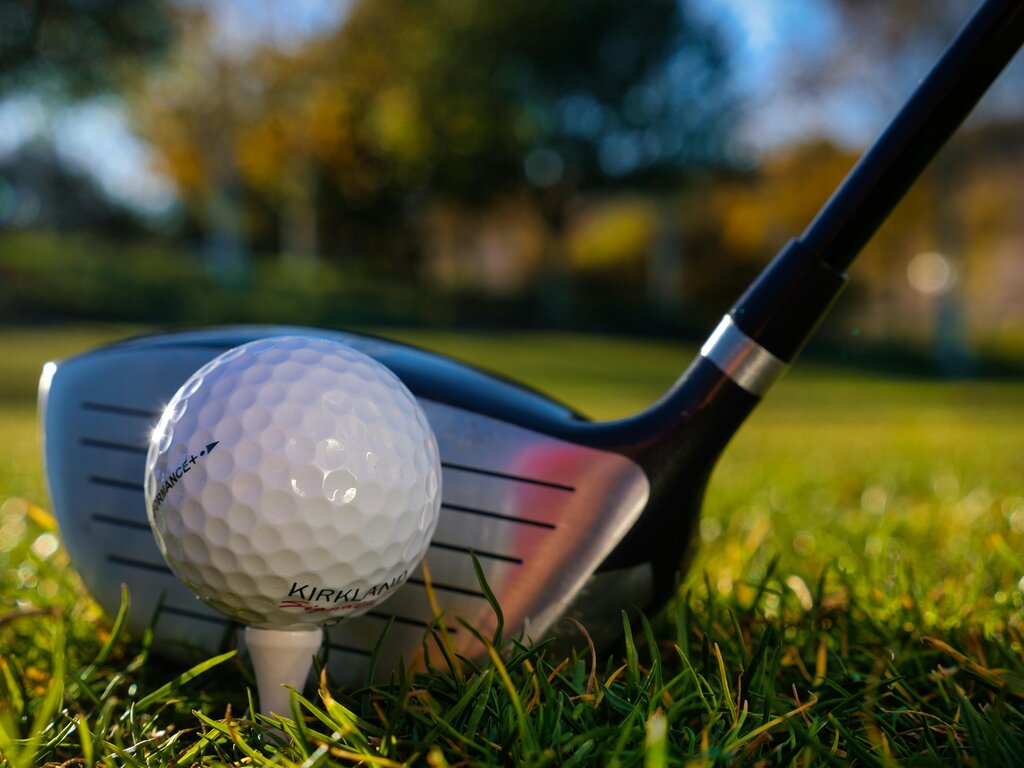
Irons are more versatile. They have smaller, flatter clubfaces and are used for most shots between the tee and the green. They are numbered, typically from 3-iron to 9-iron. A lower number (like a 3-iron) will hit the ball farther and lower, while a higher number (like a 9-iron) sends it a shorter distance but with more height.
Wedges, such as the pitching wedge and sand wedge, are a type of high-numbered iron designed for very short, precise shots, like getting onto the green or hitting the ball out of a sand trap.
A modern invention called a "hybrid" combines the features of a wood and an iron, making it easier for many players to hit long, accurate shots.
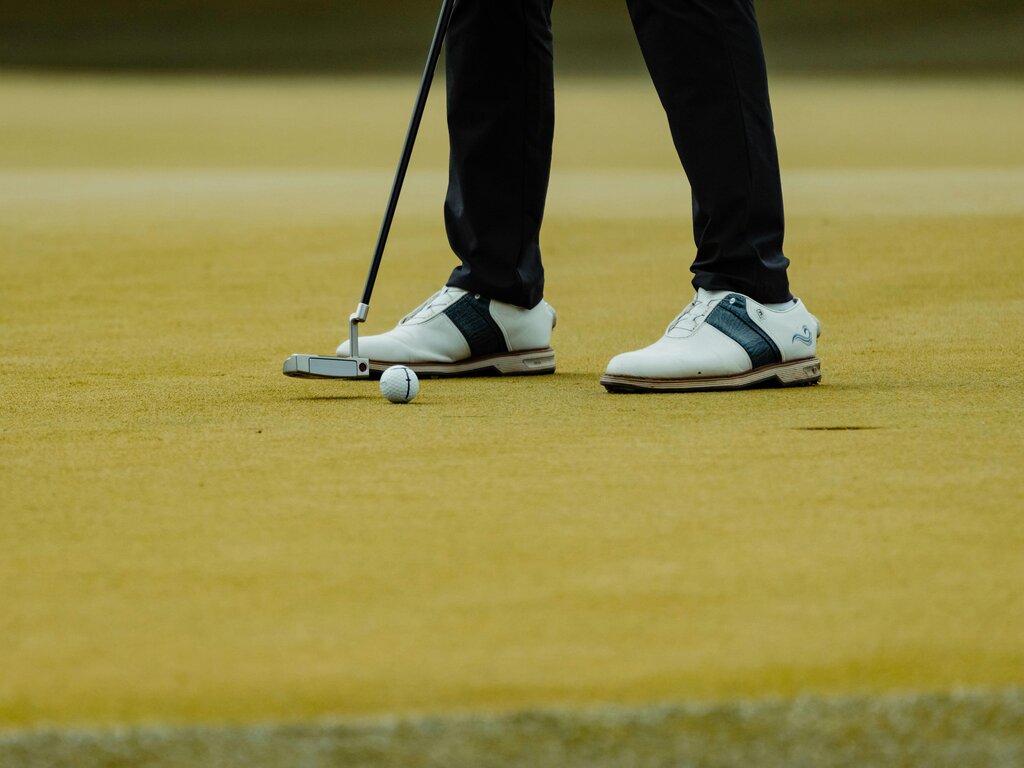
Putters are special clubs used only on the green, the very short grass surrounding the hole. They have flat faces designed to roll the ball smoothly along the ground and into the cup.
With an understanding of the objective and the tools, you're ready to think about your first trip to the course or driving range.
What is the primary objective when it comes to scoring in a round of golf?
Which type of golf club is specifically designed for hitting the ball long distances, typically from the teeing ground?