Gold's Monetary Journey
Introduction to Gold in Economic Systems
Why Gold?
Throughout history, people have used all sorts of things as money: salt, shells, cattle, and even giant stone wheels. But for thousands of years, one material has consistently outshone the rest: gold.
What makes this particular shiny, yellow metal so special? For something to work well as money, it needs a specific set of qualities. Gold just happens to tick all the boxes.
Gold is durable, divisible, portable, and rare. These physical properties made it an ideal foundation for money.
First, gold is incredibly durable. It doesn’t rust or corrode. Gold coins and jewelry pulled from ancient shipwrecks still look as brilliant as the day they were made. This permanence means it holds its form and quality over centuries.
Second, it’s divisible. You can melt gold down and divide it into smaller units—like coins, bars, or even dust—without destroying its value. A pound of gold is worth the same whether it's one big lump or a thousand tiny flakes.
Finally, gold is scarce. There’s a finite amount of it in the world. It’s rare enough to be valuable, but not so rare that it can't be used for trade. This natural scarcity prevents people from simply creating more of it, which helps it maintain its worth.
From Barter to Bullion
Before money, people relied on bartering. If you were a farmer with extra chickens, you’d have to find someone who not only wanted chickens but also had something you needed, like a pair of shoes. This is called the “double coincidence of wants,” and it makes trade slow and inefficient.
Gold solved this problem. Instead of trying to trade chickens directly for shoes, you could sell your chickens for a small amount of gold. Then, you could take that gold to anyone, for anything. The shoemaker doesn't need to want chickens; they just need to accept gold, which they can then use to buy what they want.
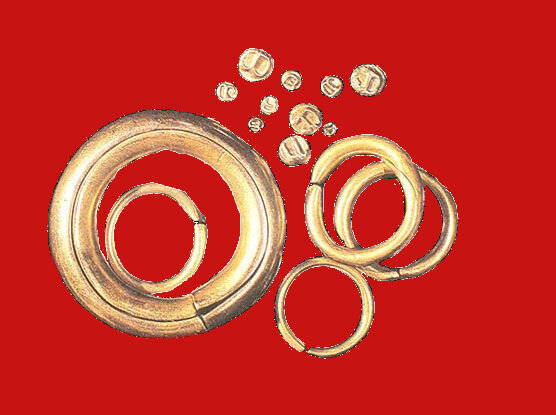
This role is known as a medium of exchange. It’s an intermediary—a common ground that everyone agrees has value, making transactions smooth and simple.
Because of its durability and scarcity, gold also became a reliable store of value. You could be confident that the gold you earned today would still be worth something tomorrow, next year, or even decades later. Unlike chickens, it wouldn't die, and unlike grain, it wouldn't spoil. This allowed people to save and accumulate wealth for the future.
bullion
noun
Precious metals, typically gold or silver, in the form of bars, ingots, or special coins, that are valued by their weight and purity rather than their face value.
This unique combination of physical properties and economic functions is why gold became the foundation for monetary systems all over the world, long before paper money or digital currencies ever existed.