Gold Trading Essentials
Introduction to Gold Markets
The Enduring Value of Gold
For thousands of years, humans have been drawn to gold. It doesn't rust or corrode, it's rare enough to be valuable but common enough to be used, and it's easily divisible into smaller units. Ancient civilizations like the Egyptians, Greeks, and Romans all prized gold for its beauty and durability, using it for jewelry, ornamentation, and eventually, money.
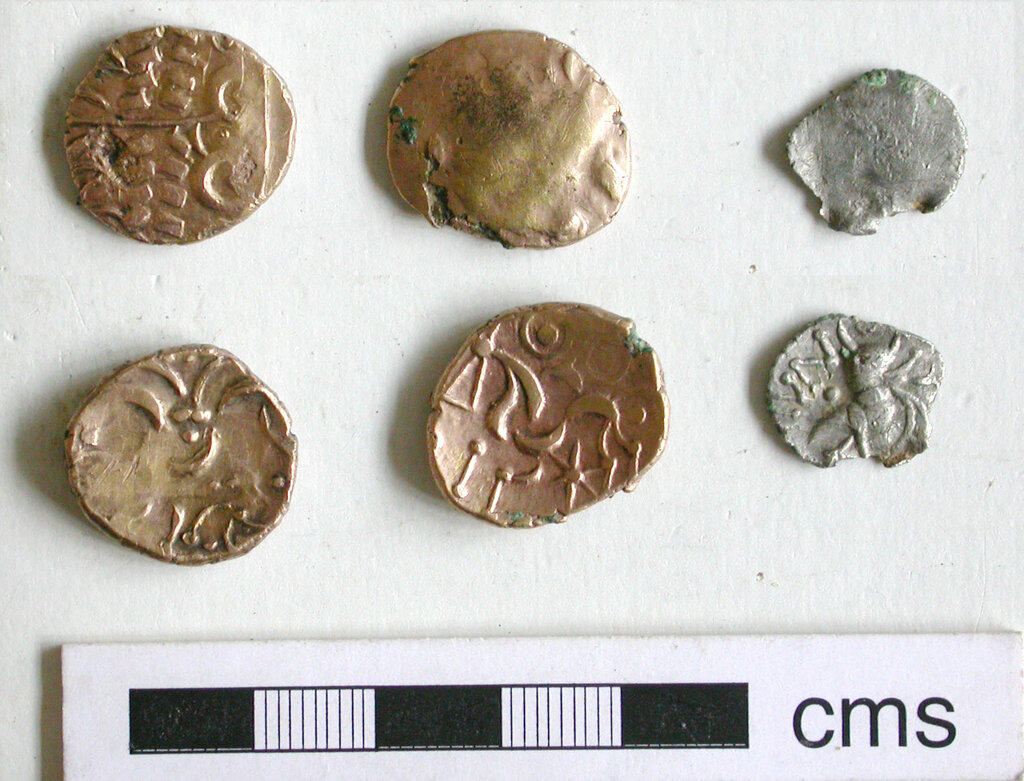
This role as currency became more formalized over time. By the 19th century, many of the world's major economies had adopted the gold standard. This meant their paper money was directly convertible into a fixed amount of gold. A U.S. dollar, for example, represented a specific weight of gold held in a government vault. This system provided a sense of stability and trust in currencies, as they were backed by a tangible, universally valued asset. While the direct gold standard is no longer in use today, this long history has cemented gold's status as a fundamental financial asset.
Gold in Today's Portfolio
So why do people still invest in gold when you can no longer exchange your cash for it at a bank? Gold serves several key functions in a modern investment portfolio.
First, it's often seen as a "safe haven" asset. During times of economic uncertainty, political instability, or high inflation, investors often turn to gold. While stocks, bonds, and currencies can fluctuate wildly based on government policies or market sentiment, gold's value is perceived as more stable. It's a physical asset with intrinsic value that isn't tied to the promises of any single government or company.
Second, gold can be a hedge against inflation. When the value of a currency like the dollar falls, it takes more dollars to buy the same amount of goods. Since gold is priced in dollars, its price tends to rise as the dollar's purchasing power decreases. This can help protect the overall value of an investor's portfolio.
One of the commonly overlooked yet critical attributes of gold that allows it to play the role of a monetary asset par excellence is that physical gold has a vast above ground supply, thereby making the global gold market highly liquid.
Finally, gold can help with diversification. Its price doesn't always move in the same direction as stocks or bonds. Sometimes when the stock market is down, gold is up, and vice versa. Including gold in a portfolio can help smooth out the ups and downs of other investments.
How to Invest in Gold
There are several ways to gain exposure to the gold market, each with its own advantages and disadvantages. The main methods fall into three categories: physical gold, exchange-traded funds (ETFs), and futures contracts.
| Method | Description | Pros | Cons |
|---|---|---|---|
| Physical Gold | Owning gold in its physical form, such as coins, bars, or jewelry. | Tangible asset; direct ownership. | Requires secure storage; can be illiquid. |
| Gold ETFs | Exchange-Traded Funds that hold gold as their underlying asset. Shares trade on a stock exchange. | Highly liquid; low transaction costs. | You don't own the physical gold; management fees apply. |
| Gold Futures | Contracts to buy or sell gold at a predetermined price on a future date. | High leverage potential; used by professional traders. | Complex and risky; not suitable for beginners. |
For most individual investors, owning physical gold or investing in gold ETFs are the most common approaches. Physical gold offers the security of holding a real asset in your hands. You can buy gold coins like the American Eagle or Canadian Maple Leaf, or larger gold bars.
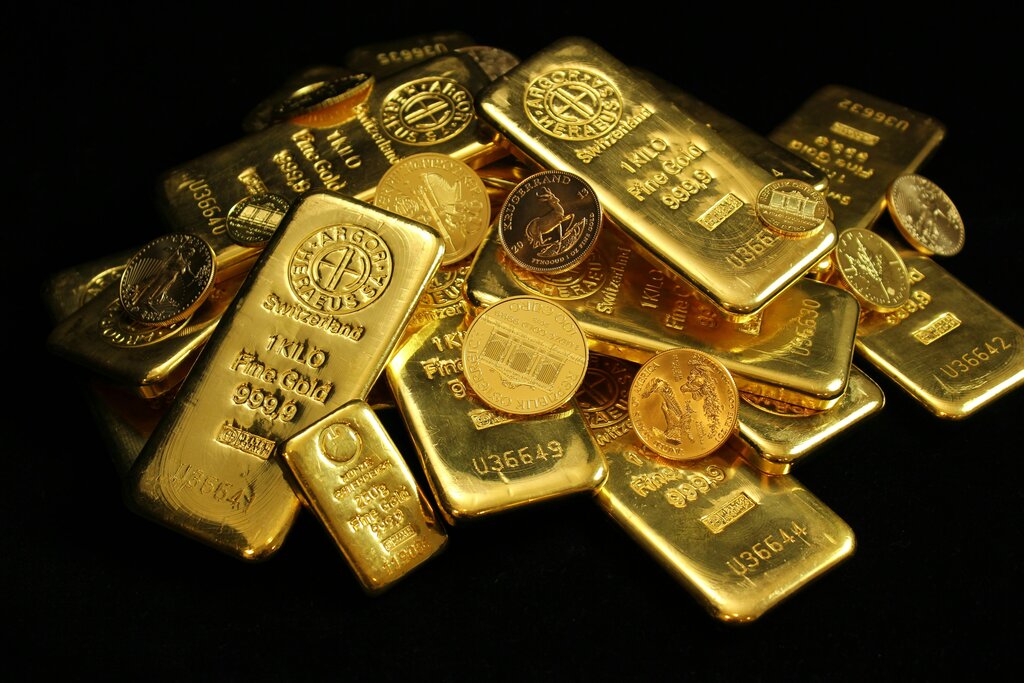
Gold ETFs, on the other hand, offer the convenience of buying and selling gold as easily as a stock. You buy shares in a fund that holds large amounts of physical gold in secure vaults. It's a simple way to get exposure to gold's price movements without having to worry about storing and insuring the metal yourself.
Futures contracts are a more advanced tool used by experienced traders to speculate on the future price of gold. They involve leverage, which can amplify both gains and losses, making them a much riskier option.
Ready to check your understanding?
What was the primary function of the gold standard in the 19th century?
When investors refer to gold as a "safe haven" asset, what economic condition are they typically seeking protection from?
Understanding these basics provides a solid foundation. Gold's long history and unique properties continue to make it a key component of the global financial system.