Gold Price Fluctuations Explained
Introduction to Gold Markets
Gold's Enduring Value
For thousands of years, gold has captivated humanity. It's been used as currency, a symbol of power, and a store of wealth across civilizations from ancient Egypt to the Incan Empire. Unlike other elements, gold doesn't rust or corrode. It's also rare enough to be valuable but common enough to be used for coinage and trade. These qualities gave it a monetary role that has lasted for millennia.
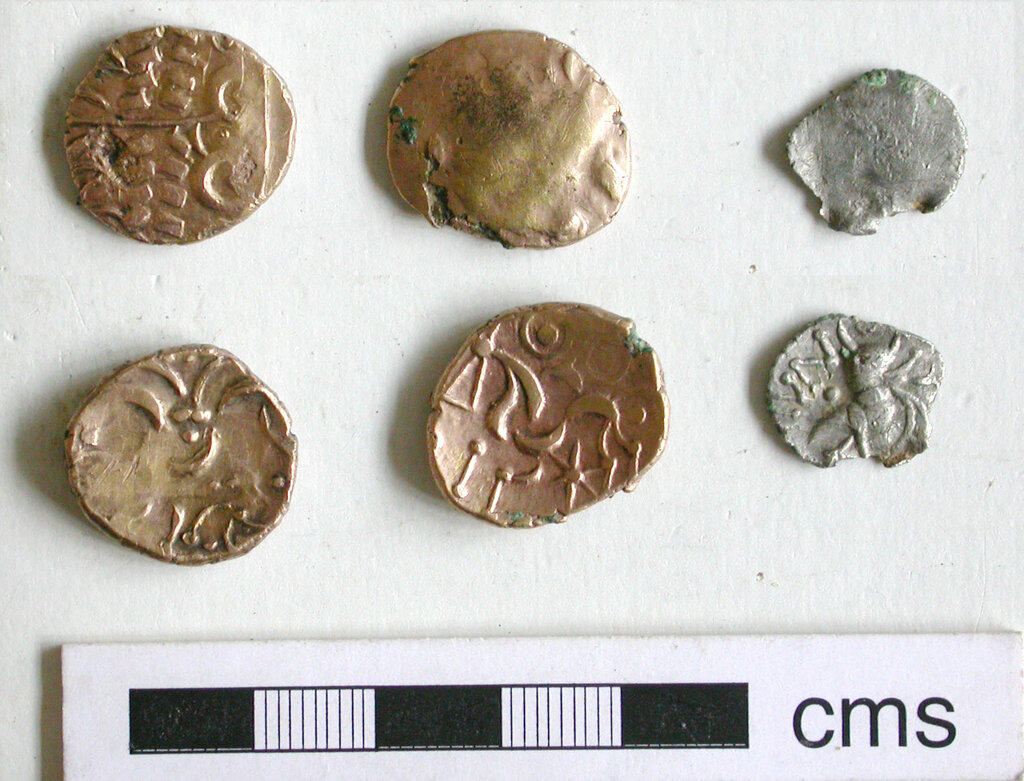
The gleam of gold has always been associated with wealth and status. Early societies used gold for religious artifacts and royal treasures long before it was standardized into coins. This long history has cemented its psychological and cultural importance, making it a universally recognized symbol of enduring value.
More Than Just Jewelry
While jewelry is the most visible use of gold, accounting for nearly half of its demand, its applications are far more diverse. The two other primary uses are for investment and industrial purposes.
As an investment, gold is often seen as a “safe haven” asset. During times of economic uncertainty, investors often turn to gold because it tends to hold its value when other assets, like stocks, might fall. People invest by buying physical gold, such as bars and coins, or through financial products that track its price.
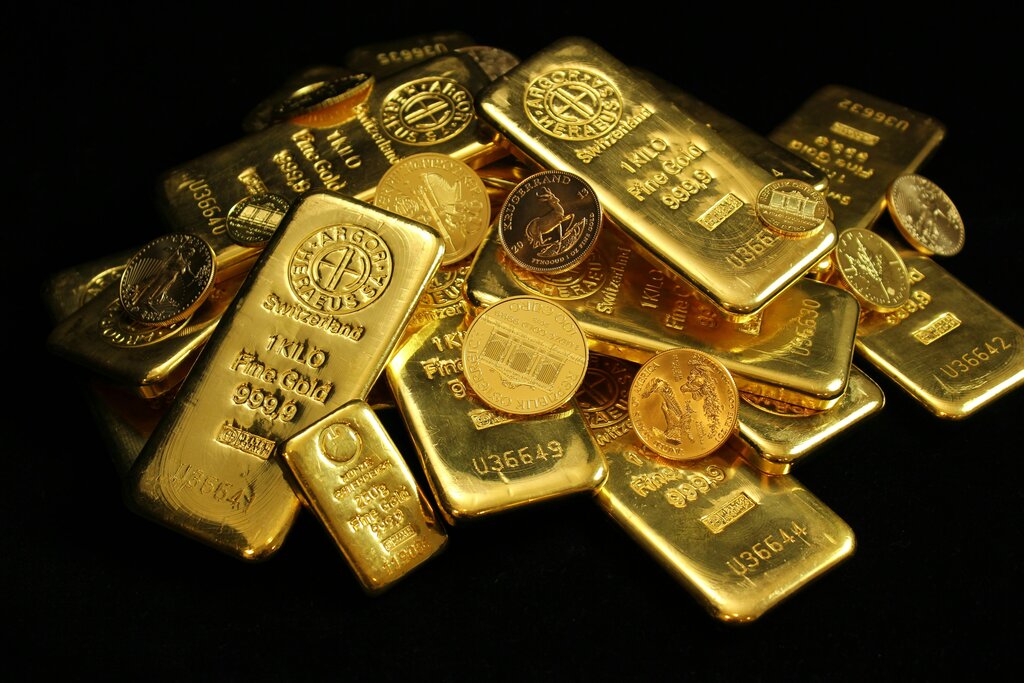
Industrially, gold is a critical component in many fields. It is an excellent conductor of electricity that doesn't tarnish, making it perfect for coating electrical contacts in high-end electronics like smartphones and computers. Its non-reactive nature also makes it ideal for dentistry in fillings and crowns, and its reflective properties are used in aerospace to shield spacecraft from solar radiation.
The Market Participants
Several key groups drive the global gold market. Their actions collectively determine the supply and demand for the precious metal.
-
Gold Miners: These companies are the source of new gold. They operate mines across the globe, extracting gold ore and refining it into pure gold. The total amount of gold mined each year is relatively small compared to the total amount that already exists above ground.
-
Central Banks: Governments around the world hold gold in their reserves. This practice provides stability for their national currency and acts as a security blanket during financial crises. When central banks buy or sell gold, their large transactions can significantly impact the market.
-
Investors: This broad category includes everyone from large institutional funds to individual buyers. They purchase gold for various reasons, including portfolio diversification, a hedge against inflation, or simply as a long-term store of value. The rise of gold-backed Exchange Traded Funds (ETFs) has made it easier for people to invest without holding the physical metal.
The launch of gold exchange-traded funds (ETFs) and gold trusts in the early 2000s further expanded access to gold investments.
The demand from these participants interacts with the available supply to set the daily price of gold. Simple supply and demand is the core factor influencing its price. When demand for jewelry, investment, or industrial use rises faster than the supply from mines and recycling, the price tends to go up. Conversely, if demand slackens, the price is likely to fall.
What are the three primary uses of gold in the modern world?
Why is gold considered a "safe haven" asset by investors?
Understanding these fundamentals provides a solid base for exploring the dynamics of the gold market.