Gold in Audio Electronics
Electrical Conductivity Basics
The Flow of Charge
Electrical conductivity is a measure of how easily electricity can flow through a material. Think of it like water moving through a pipe. A wide, clear pipe lets water gush through easily, representing high conductivity. A narrow pipe clogged with debris makes it hard for water to pass, representing low conductivity.
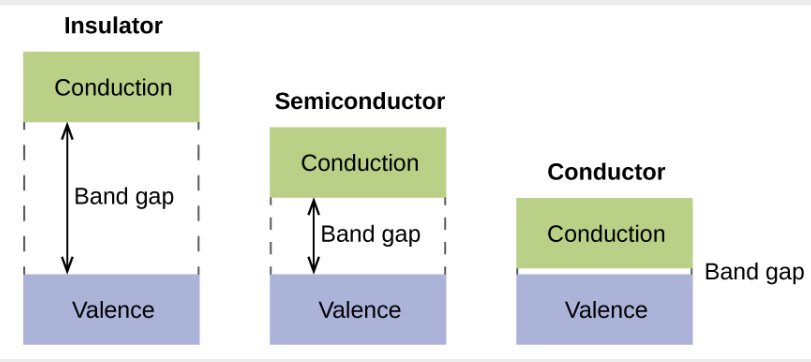
Materials that allow electricity to flow freely are called conductors. Those that block the flow are called insulators. Most materials fall somewhere on this spectrum, but the difference between a good conductor and a good insulator is vast.
Conductors are materials that permit electrons to flow freely from particle to particle.
Conductivity
noun
The degree to which a specified material conducts electricity, calculated as the ratio of the current density in the material to the electric field that causes the flow of current. It is the reciprocal of resistivity.
The Role of Free Electrons
What makes metals such good conductors? The answer lies in their atomic structure. In a metal, the outermost electrons of each atom are not tightly bound to their individual atoms. Instead, they form a sort of "sea" of electrons that can move freely throughout the entire material.
These are called free electrons. When you apply a voltage across a metal wire, it creates an electric field. This field acts like a slope, pushing the sea of free electrons to flow in one direction. This directed flow of electrons is what we call an electric current.
Insulators, on the other hand, hold onto their electrons tightly. There is no sea of free electrons available to move and create a current. That's why materials like rubber, glass, and plastic are used to block the flow of electricity.
Factors Affecting Conductivity
Not all conductors are created equal. Several factors can influence how well a material conducts electricity.
Temperature: As a metal gets hotter, its atoms vibrate more vigorously. These vibrations get in the way of the flowing electrons, causing more collisions and slowing them down. This means that for most metals, conductivity decreases as temperature increases.
This relationship is fundamental to understanding how conductive materials behave in real-world applications, where temperature changes are common.
Purity: Impurities in a metal disrupt the perfect, repeating pattern of its crystal lattice. These disruptions act like obstacles, scattering the flowing electrons and making it harder for current to pass through. Generally, a purer metal is a better conductor.
The difference in conductivity between various materials can be enormous. Here's how a few common substances stack up.
| Material | Type | Relative Conductivity |
|---|---|---|
| Silver | Conductor | Very High |
| Copper | Conductor | High |
| Aluminum | Conductor | Medium |
| Silicon | Semiconductor | Low |
| Glass | Insulator | Extremely Low |
Let's check your understanding of these core concepts.
What is the primary reason metals are good electrical conductors?
Which of the following materials is the best example of an electrical insulator?
Understanding these principles is the first step in seeing why some materials are chosen over others for specific electrical jobs.