GLP-1s in Weight Management for Healthcare Professionals
Introduction to GLP-1 Receptor Agonists
The Role of GLP-1 in Metabolism
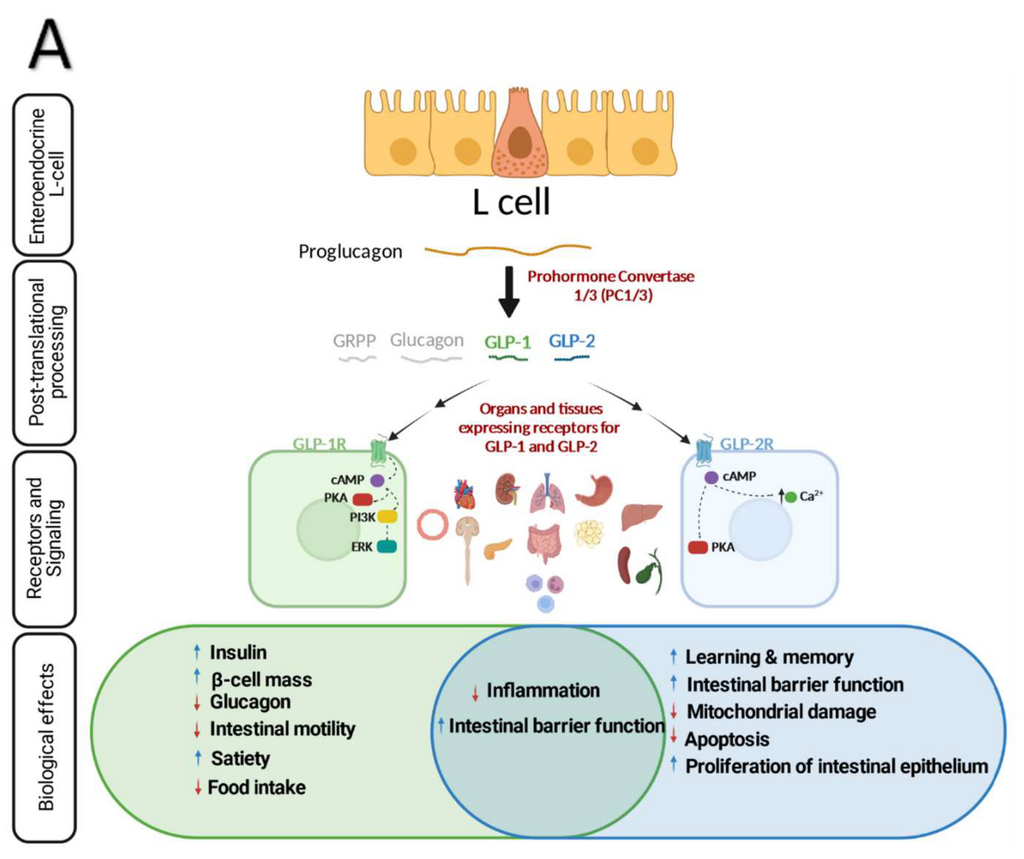
Glucagon-like peptide-1 (GLP-1) is an incretin hormone, a type of metabolic hormone that is released from L-cells in the gut in response to food intake. Its primary role is to regulate blood sugar levels, but its influence extends throughout the body, making it a key player in metabolic health.
When we eat, GLP-1 stimulates the pancreas to release insulin, a process known as the "incretin effect." This insulin release is glucose-dependent, meaning GLP-1 only boosts insulin secretion when blood sugar is high, which significantly reduces the risk of hypoglycemia. Simultaneously, it suppresses the secretion of glucagon, a hormone that raises blood sugar levels.
Beyond its effects on the pancreas, GLP-1 also slows gastric emptying. This delay in how quickly food leaves the stomach contributes to a prolonged feeling of fullness, or satiety. It also acts directly on the hypothalamus in the brain, the body's appetite control center, to reduce hunger and decrease food cravings.
From Venom to Medicine
The therapeutic potential of GLP-1 was clear, but there was a significant hurdle: the naturally occurring hormone has a very short half-life, being degraded by the enzyme dipeptidyl peptidase-4 (DPP-4) within minutes. This made it impractical for clinical use.
The breakthrough came from an unlikely source: the venom of the Gila monster. Scientists discovered a peptide in the venom called exendin-4, which had a similar structure to human GLP-1 but was resistant to DPP-4 degradation. This discovery paved the way for the development of exenatide, the first GLP-1 receptor agonist, initially approved for type 2 diabetes.
Subsequent research focused on creating longer-acting synthetic versions of GLP-1. By modifying the peptide's structure, researchers developed molecules that could be administered once daily or even once weekly, providing sustained therapeutic effects.
Originally developed for diabetes patients, glucagon-like peptide-1 receptor agonist (GLP-1 RA) medicines have transformed how obesity is treated and there is growing evidence of wider health benefits.
GLP-1 Agonists for Weight Management
While initially developed for glycemic control, the significant weight loss observed in patients using GLP-1 RAs led to their investigation and subsequent approval for chronic weight management. Several agents are now available, each with distinct properties. Liraglutide was the first to gain this indication, followed by the more potent and longer-acting semaglutide. More recently, tirzepatide, a dual-agonist that targets both GLP-1 and GIP (glucose-dependent insulinotropic polypeptide) receptors, has demonstrated even greater efficacy in weight reduction.
| Medication (Brand Name) | Target(s) | Administration | Indication |
|---|---|---|---|
| Liraglutide (Saxenda®) | GLP-1 | Once-daily injection | Chronic Weight Management |
| Semaglutide (Wegovy®) | GLP-1 | Once-weekly injection | Chronic Weight Management |
| Tirzepatide (Zepbound™) | GLP-1 & GIP | Once-weekly injection | Chronic Weight Management |
These medications represent a significant advancement in the pharmacological treatment of obesity, leveraging a natural physiological pathway to help patients achieve and maintain a healthier weight.