GLP-1 Receptor Agonists Pros and Cons
Introduction to GLP-1 Receptor Agonists
The Hormone Mimics
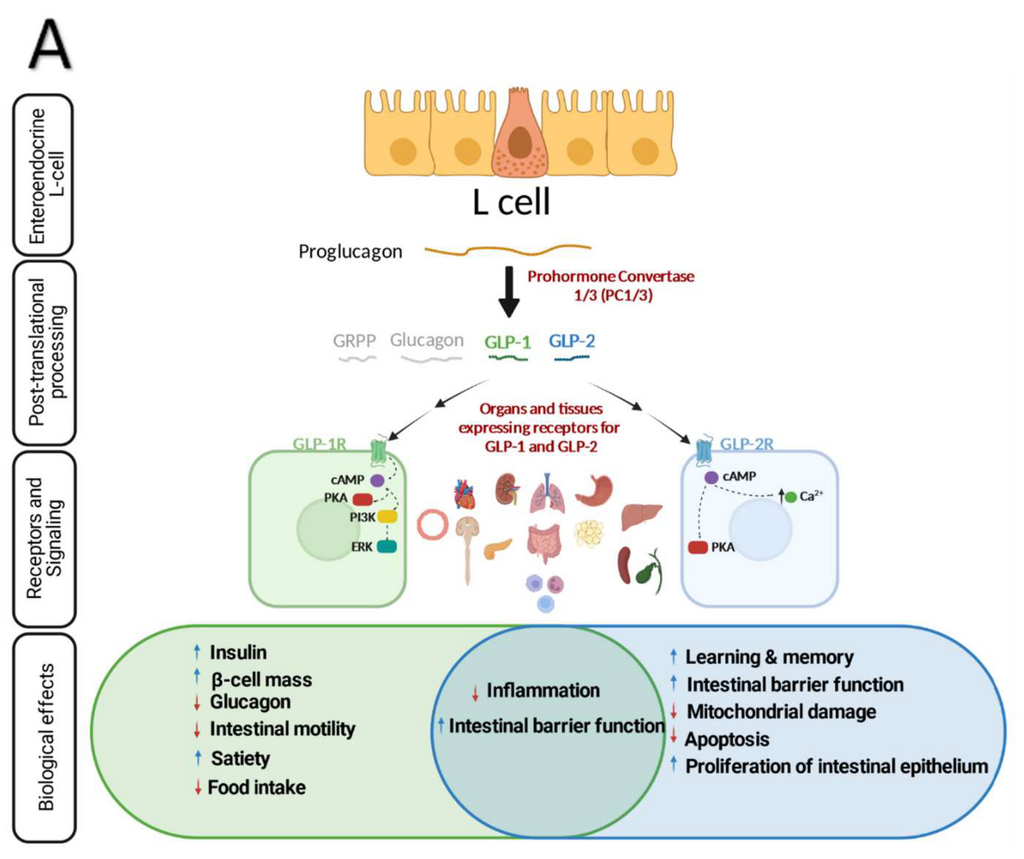
To understand a class of drugs called GLP-1 receptor agonists, we first need to talk about a hormone your body already makes: glucagon-like peptide-1, or GLP-1 for short. When you eat, special cells in your gut release GLP-1. This hormone is a key player in managing your blood sugar levels. It tells your pancreas to release insulin, which helps your cells absorb sugar from your blood for energy. It also slows down how quickly food leaves your stomach, making you feel full longer.
GLP-1 receptor agonists are medications that mimic the action of your natural GLP-1. They are not GLP-1, but they are designed to fit into the same cellular 'locks'—called receptors—that GLP-1 uses. By activating these receptors, the drugs trigger the same blood-sugar-lowering effects as the natural hormone, often with a stronger or longer-lasting impact.
agonist
noun
A substance that binds to a specific receptor and triggers a response in the cell, mimicking the action of a naturally occurring substance.
These medications are generally classified based on how long they work in the body. Short-acting agonists have effects that last for a few hours and are typically taken once or twice a day. Long-acting agonists are formulated to be released more slowly, allowing for once-daily or even once-weekly injections.
| Class | Typical Dosing | Examples (Generic Name) |
|---|---|---|
| Short-Acting | Once or twice daily | Exenatide, Lixisenatide |
| Long-Acting | Once daily or weekly | Liraglutide, Semaglutide, Dulaglutide |
A Discovery in Venom
The story of the first GLP-1 medication begins in an unlikely place: the venom of the Gila monster. In the 1990s, scientists discovered a peptide in the lizard's venom called exendin-4. It was surprisingly similar to human GLP-1, but with a crucial difference—it was much more resistant to being broken down by enzymes in the body. While natural human GLP-1 lasts only a few minutes, exendin-4 could work for hours.
This discovery paved the way for exenatide (Byetta), a synthetic version of exendin-4, which became the first GLP-1 receptor agonist approved by the FDA in 2005 for treating type 2 diabetes. Since then, scientists have developed a series of new-generation GLP-1 drugs, modifying the molecule to improve its effectiveness and extend its duration of action, leading to the convenient weekly injections available today.
Restoring Balance
The body's system for managing blood sugar is a delicate balancing act called glucose homeostasis. After a meal, blood sugar rises, which should trigger the release of insulin to bring it back down. In people with type 2 diabetes, this system is impaired. The body might not produce enough insulin, or the cells may become resistant to its effects.
GLP-1 receptor agonists help restore this balance. By enhancing the effects of the GLP-1 hormone, they help the body manage blood sugar in a more natural, glucose-dependent way. This means they primarily stimulate insulin release when blood sugar levels are high, which reduces the risk of blood sugar dropping too low (hypoglycemia).
GLP-1 receptor agonists work with your body's natural systems to manage blood sugar, primarily acting when levels are elevated after a meal.
Their role isn't just about insulin. By slowing digestion and signaling fullness to the brain, they also address other aspects of metabolic health that are often intertwined with type 2 diabetes.
Glucagon-like peptide-1 (GLP-1) receptor agonists are a family of medications that help people shed the pounds, manage blood sugar in patients with type 2 diabetes and prevent heart attacks and strokes in people with heart disease.
Time to check what you've learned.
What is the primary role of the natural hormone GLP-1 in the body?
How do GLP-1 receptor agonists differ from the body's natural GLP-1?
These medications represent a significant step forward in managing metabolic conditions, starting with a foundation in the body's own hormonal processes.