GLP-1 Analogues vs Receptor Agonists
GLP-1 Physiology
The Gut's Signal Caller
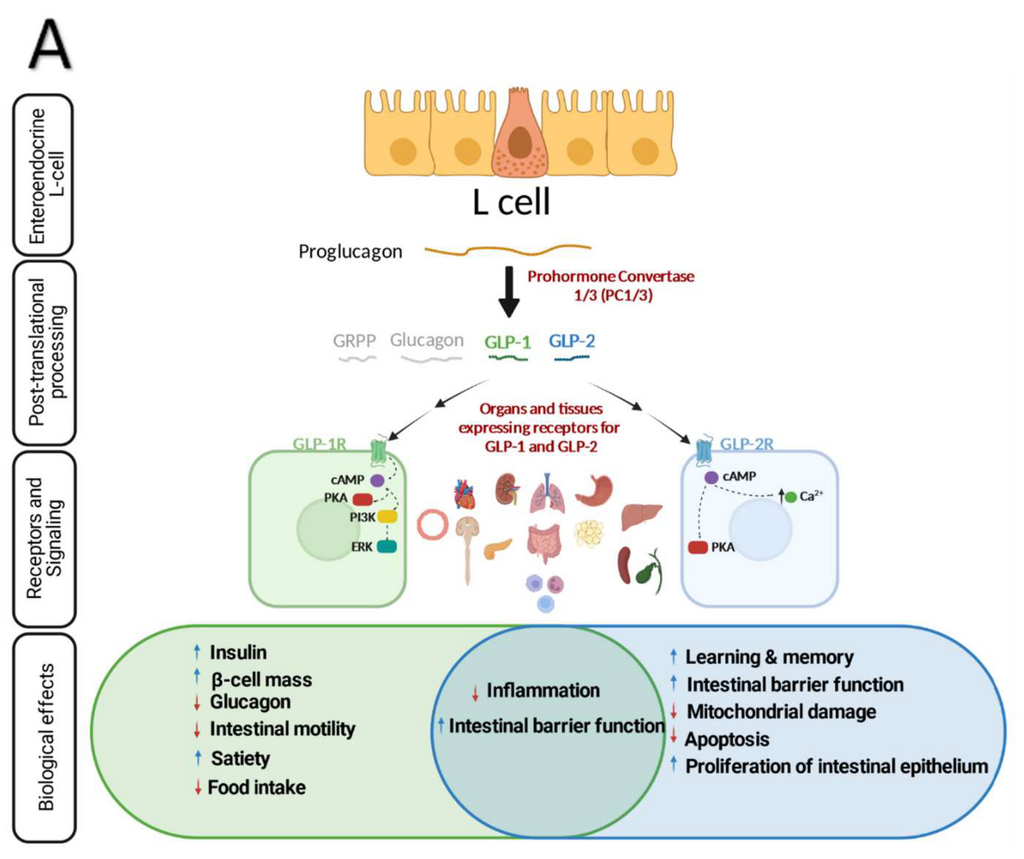
When you eat a meal, your digestive system doesn't just break down food. It also sends out a cascade of hormonal signals to the rest of your body, preparing it to handle the incoming nutrients. One of the most important of these signals is a hormone called glucagon-like peptide-1, or GLP-1.
GLP-1 is produced by specialized endocrine cells called L-cells, which are scattered throughout the lining of your small and large intestines. When these cells detect the presence of nutrients like carbohydrates and fats, they spring into action, releasing GLP-1 into the bloodstream. This process is a crucial part of your body's incretin system, which helps manage blood sugar levels after you eat.
Balancing Blood Sugar
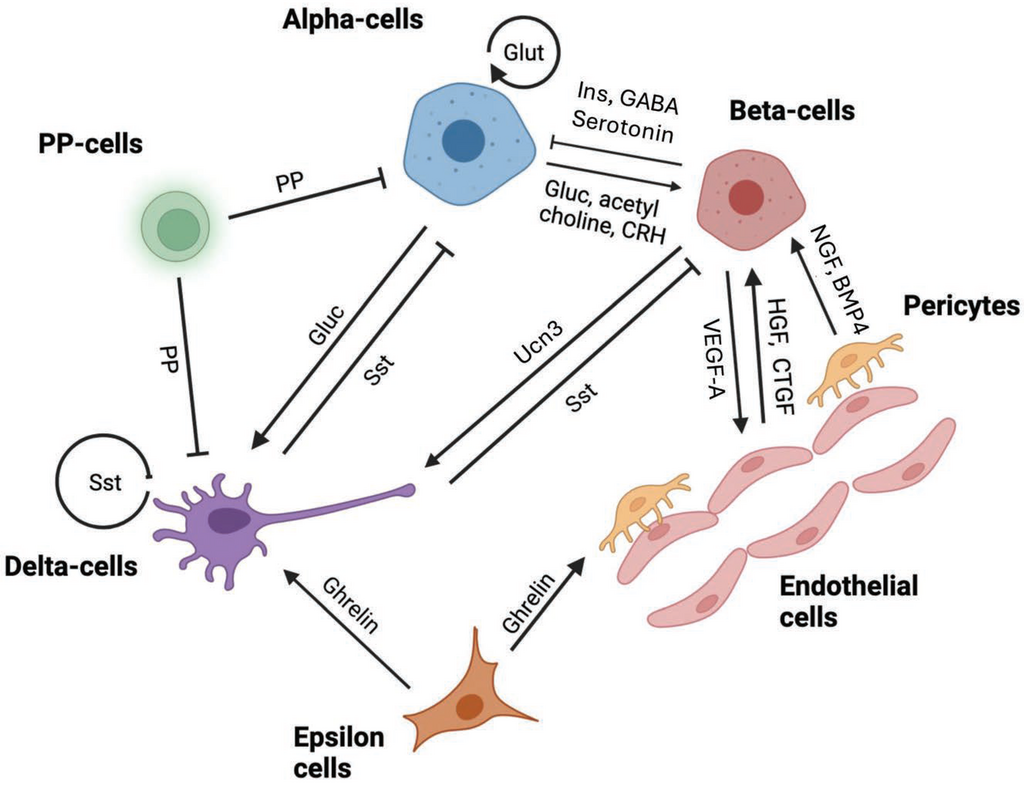
Once in the bloodstream, GLP-1 travels to the pancreas, where it plays a dual role in regulating blood glucose. First, it stimulates the pancreas's beta cells to release insulin. This is a glucose-dependent effect, meaning GLP-1 prompts insulin secretion only when blood sugar levels are high, like after a meal. This smart mechanism prevents blood sugar from dropping too low.
Second, GLP-1 acts on the alpha cells of the pancreas, telling them to reduce the secretion of glucagon. Glucagon is a hormone that has the opposite effect of insulin; it tells the liver to release stored glucose into the blood. By suppressing glucagon, GLP-1 helps prevent an unnecessary rise in blood sugar, ensuring the body uses the glucose from the meal you just ate.
GLP-1 regulates glucose levels by stimulating glucose-dependent insulin secretion and biosynthesis, and by suppressing glucagon secretion, delayed gastric emptying and promoting satiety.
Beyond the Pancreas
GLP-1's influence doesn't stop at the pancreas. It also affects the speed of digestion. The hormone signals the stomach to empty its contents more slowly. This delay means glucose from your food is absorbed into the bloodstream more gradually, preventing sharp spikes in blood sugar.
This slowing of gastric emptying also contributes to another key effect of GLP-1: promoting a feeling of fullness, or satiety. GLP-1 also acts directly on the hypothalamus in the brain, the region that controls appetite. By signaling to your brain that you are full, GLP-1 helps regulate food intake.
Satiety
noun
The feeling of being full and satisfied after eating, which inhibits further eating.
Together, these actions—boosting insulin, suppressing glucagon, slowing digestion, and signaling fullness—make GLP-1 a central player in your body's intricate system for managing energy and metabolism.
Let's review the key functions of GLP-1 with some flashcards.
Now, check your understanding of GLP-1's physiological role.
Where in the body is glucagon-like peptide-1 (GLP-1) primarily produced?
GLP-1's effect on insulin secretion is described as 'glucose-dependent'. What does this mean?
Understanding these natural functions is the first step in appreciating how GLP-1 based therapies work to manage metabolic conditions.