GLP-1 Analogues vs Receptor Agonists
GLP-1 Physiology
The Gut's Smart Signal
After you eat a meal, your digestive system does more than just break down food. It also sends out chemical messages to the rest of your body, preparing it to handle the incoming nutrients. One of the most important messengers in this process is a hormone called Glucagon-Like Peptide-1, or GLP-1.
GLP-1 is produced by specialized cells called L-cells, which are scattered throughout the lining of your small intestine. Think of these L-cells as tiny taste buds deep inside your gut. When they detect the presence of nutrients from your meal—specifically carbohydrates, proteins, and fats—they spring into action and release GLP-1 into your bloodstream.
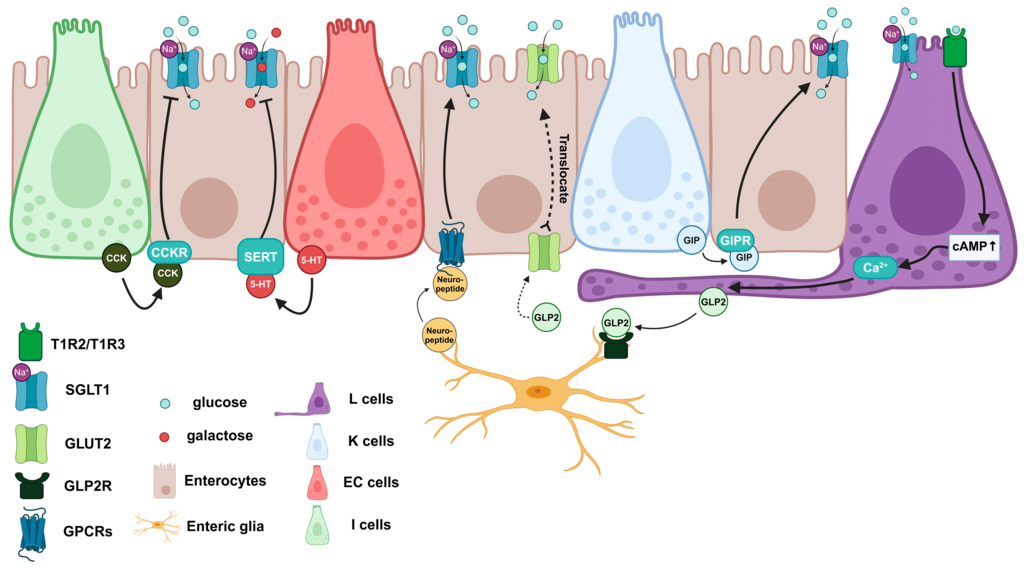
This release is a crucial communication step. It's the gut's way of giving the pancreas and the brain a heads-up that energy is on its way, allowing the body to prepare for efficient processing and storage.
A Two-Pronged Approach
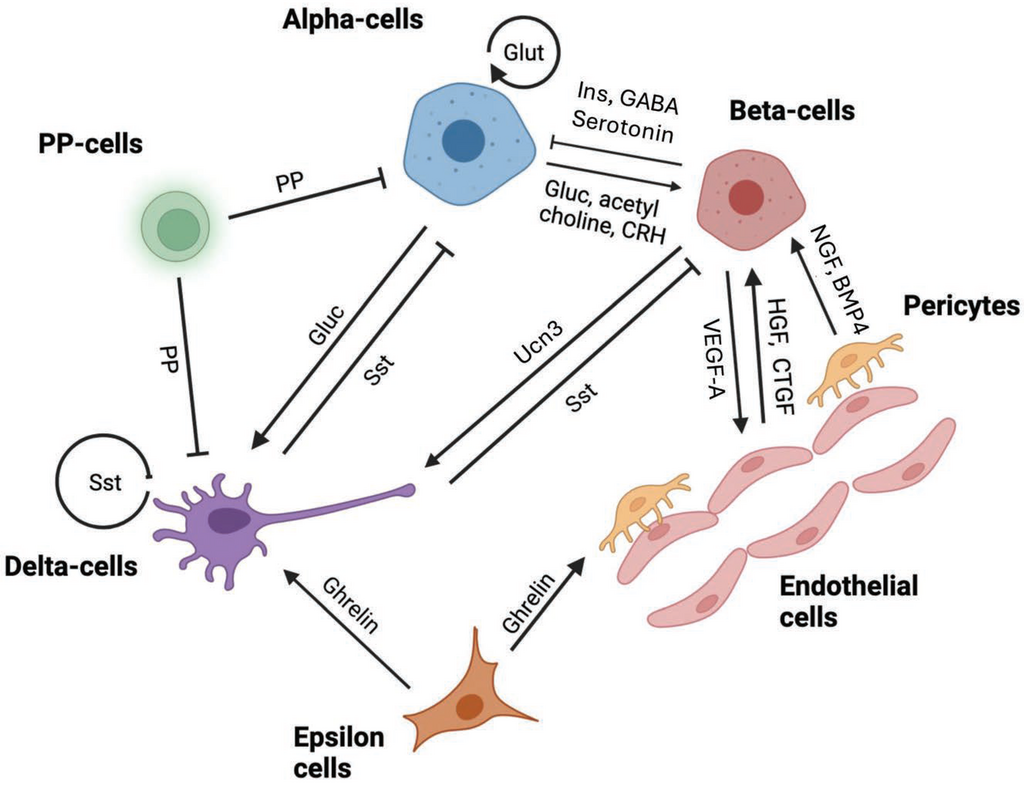
Once in the bloodstream, GLP-1 travels to the pancreas, where it plays a key role in managing blood sugar. It uses a clever, two-part strategy to keep glucose levels in a healthy range after you eat.
First, GLP-1 stimulates the pancreas's beta cells to release insulin. Insulin is the hormone that helps your body's cells absorb glucose from the blood to use for energy. Critically, GLP-1's effect is glucose-dependent. This means it only boosts insulin secretion when blood sugar levels are high, like after a meal. When blood sugar is normal or low, GLP-1 has very little effect. This smart mechanism prevents your blood sugar from dropping too low.
GLP-1 tells the pancreas, “Sugar is coming, release insulin!” but only if blood sugar levels are actually rising.
Second, GLP-1 inhibits the pancreas's alpha cells from releasing glucagon. Glucagon is a hormone that has the opposite effect of insulin; it signals the liver to release stored glucose into the bloodstream. By suppressing glucagon after a meal, GLP-1 prevents the liver from adding unnecessary sugar to the blood at a time when levels are already increasing from food. This coordinated action—boosting insulin while suppressing glucagon—provides a powerful and precise way to control post-meal blood sugar.
Here and Gone
The effects of GLP-1 are potent but short-lived. This is by design. Your body needs this signal to be active only when food is being digested and absorbed. Once its job is done, it needs to be cleared away quickly to allow the system to return to its baseline state.
Enzyme
noun
A substance produced by a living organism that acts as a catalyst to bring about a specific biochemical reaction.
The rapid breakdown of GLP-1 is handled by an enzyme called dipeptidyl peptidase-4, or DPP-4. This enzyme is found throughout the body, including in the bloodstream. DPP-4 is very efficient at finding and deactivating GLP-1, giving the hormone a half-life of only about one to two minutes. This means that within a couple of minutes of being released, half of the GLP-1 is already gone. This swift degradation ensures that the GLP-1 signal is temporary and tightly controlled, perfectly timed to the digestive process.
Ready to test your knowledge? Let's see what you've learned about the body's natural GLP-1 system.
Where is Glucagon-Like Peptide-1 (GLP-1) primarily produced in the body?
What is the primary trigger for the release of GLP-1 from L-cells?
Understanding GLP-1's natural role is the first step. You now know how it's released, how it acts on the pancreas, and how it's quickly removed from the body.