Glossary Converter App Mastery
Introduction to Terminology Management
What is Terminology Management?
Imagine trying to assemble furniture, but the instructions call a part a "cam lock" in one step and a "rotary fastener" in another. You'd waste time wondering if they're the same thing. This is the kind of confusion that happens in projects all the time, just with ideas and features instead of furniture parts.
Terminology management is the process of making sure everyone in a project or company uses the same words to mean the same things. It’s about creating a single, shared vocabulary for important concepts.
At its core, it's a simple idea: say what you mean, and make sure everyone else says it the same way.
This isn't just about being picky with words. Clear, consistent language is crucial for success. When your team, stakeholders, and customers all share a common language, communication becomes faster and more accurate. Misunderstandings decrease, and projects move forward more smoothly. It’s the foundation for clear documentation, effective marketing, and a user experience that makes sense.
The Payoff of Consistency
Adopting a structured approach to terminology pays off in several ways. The most immediate benefit is improved efficiency. Think of the time saved when a developer, a marketer, and a support agent all refer to a customer feature by the same name. No one has to stop and ask, "Wait, are you talking about the User Dashboard or the Account Profile?"
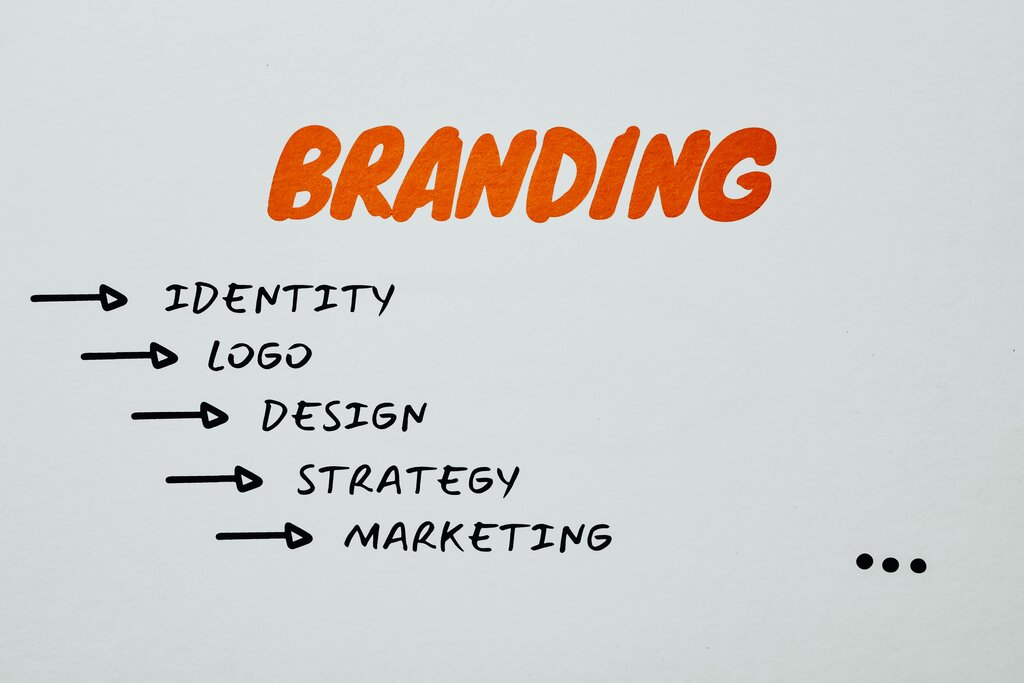
Consistency also builds a stronger brand and fosters trust. When the language in your ads matches the language in your app, which matches the language in your support articles, customers feel a sense of coherence and professionalism. It shows that your organization is organized and aligned.
This clarity reduces errors, speeds up training for new hires, and makes it easier to translate content for global audiences. Every part of the business benefits when communication is unambiguous.
Common Hurdles
If terminology management is so beneficial, why doesn't every organization do it perfectly? Because it comes with a few common challenges. As companies grow, different teams often develop their own internal jargon, creating silos of language. What one department calls a "client," another might call a "partner" or "account."
Another hurdle is the lack of clear ownership. If no one is officially in charge of managing key terms, the effort can easily fall apart. New terms get invented on the fly, and old ones are used inconsistently. Here are some of the most frequent issues:
| Challenge | Impact |
|---|---|
| Lack of Ownership | No one is responsible for maintaining consistency. |
| Team Silos | Different departments develop their own jargon. |
| Rapid Growth | New employees bring in old habits or aren't trained on standard terms. |
| Legacy vs. New | Old projects use different terminology than new ones. |
Simple Strategies for Success
Overcoming these challenges doesn't require complex software or a massive overhaul. You can start with a few straightforward strategies.
The most effective first step is to create a central, accessible glossary of key terms. This can be as simple as a shared document or wiki page that defines important concepts and specifies the preferred term to use. For each entry, include a clear, simple definition and perhaps an example of correct usage.
Create a glossary of terms that are frequently used in your projects to facilitate understanding.
Next, assign ownership. Designate a person or a small group to be the keepers of the glossary. Their job is to review new term suggestions, update existing definitions, and gently guide colleagues to use the correct terminology. This ensures the resource stays relevant and doesn't become outdated.
Finally, make terminology part of your team's regular workflow. Encourage people to consult the glossary when writing documents, creating designs, or coding new features. By making it a habit, consistent language becomes a natural part of your company's culture.
What is the primary goal of terminology management?
A software company's marketing team calls a new feature 'Quick-Post', while the development team's internal documentation refers to it as the 'Rapid Entry Module'. What is the most likely negative outcome of this inconsistency?