Glory of the Sasanian Empire
Rise and Administration
From Parthia to Persia Anew
By the early 3rd century CE, the Arsacid Parthian Empire, which had ruled Persia for nearly 500 years, was weakening. Decades of internal strife and costly wars with the Roman Empire had frayed its decentralized feudal structure. Power was slipping from the central monarch to a collection of regional kings.
Enter Ardashir I, a local ruler from the province of Persis, the historical heartland of the ancient Achaemenid Persians. Viewing himself as the heir to Cyrus and Darius, Ardashir began consolidating power, challenging the authority of the Parthian king, Artabanus V. The conflict came to a head at the Battle of Hormozdgan in 224 CE. Ardashir’s victory was decisive. Artabanus was killed, and the Parthian dynasty collapsed.
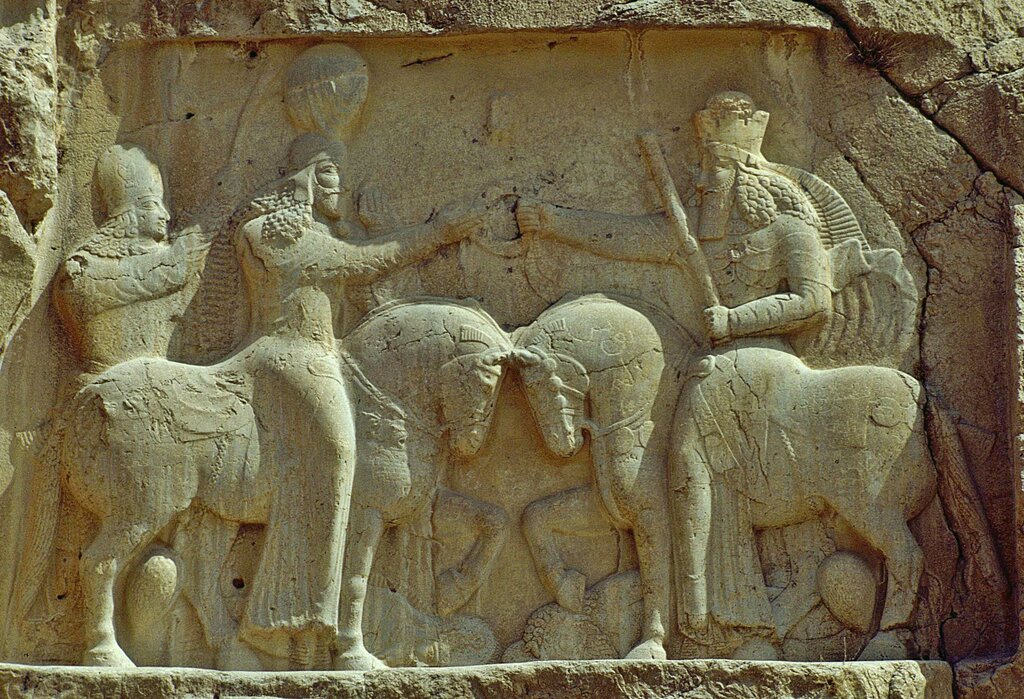
This victory marked the beginning of the Sasanian Empire. Ardashir established a new dynasty, one that consciously aimed to restore Persian glory. Unlike the Parthians, who embraced Hellenistic influences, the Sasanians championed a distinctly Iranian identity, positioning themselves as the restorers of a lost legacy.
The King of Kings
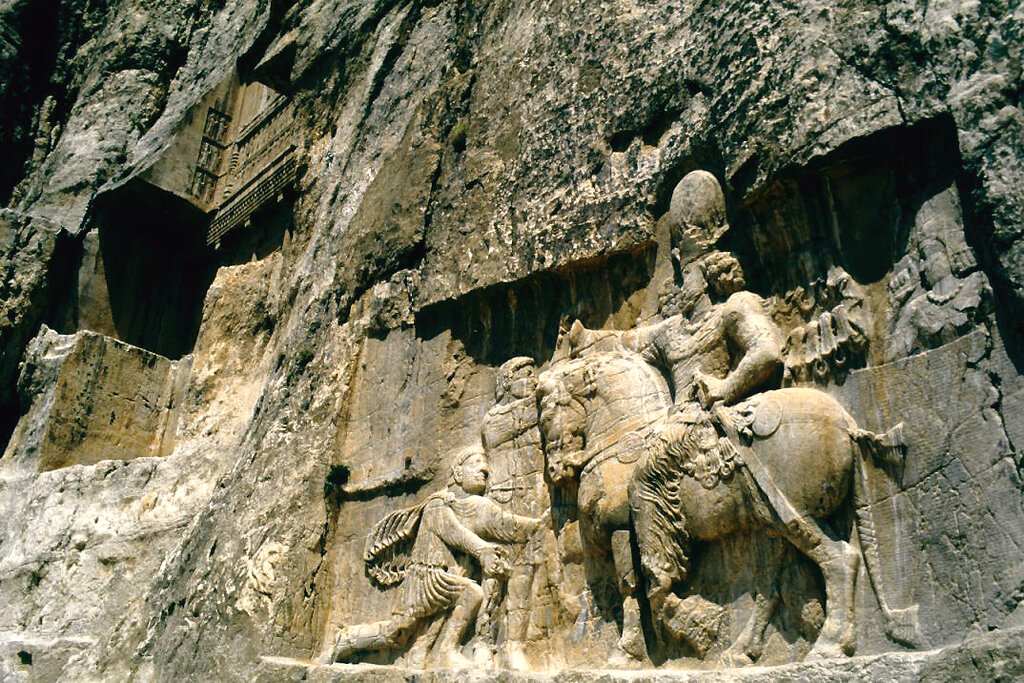
Ardashir I took the title Shahanshah, or "King of Kings." This wasn't just a boast; it signaled a fundamental shift in governance. The Parthian model had been a loose confederation where regional lords held considerable autonomy. The Shahanshah, in contrast, was an absolute monarch at the peak of a centralized, bureaucratic state.
To achieve this centralization, Ardashir and his son, Shapur I, reformed the administration. They replaced many of the semi-independent local rulers with governors, known as shahrabs, who were directly appointed by the crown and were often members of the royal family. This created a loyal administrative class that enforced the king's will throughout the empire.
Zoroastrianism was elevated to a state religion, creating a powerful priesthood that worked in tandem with the state. This religious unification provided ideological legitimacy for the Shahanshah's rule, framing him as the divinely appointed guardian of order and justice.
The title Shahanshah explicitly placed the Sasanian ruler above all other kings, both within and outside the empire, fundamentally reshaping Persian political ideology.
This new model enabled the Sasanians to mobilize resources for massive building projects and military campaigns on a scale the Parthians could rarely manage. The state became a more efficient and powerful entity, capable of challenging its great rival in the west, the Roman Empire.
Crafting Eranshahr
The Sasanians didn't just build a new state; they forged a new national consciousness around the concept of Eranshahr, the "Empire of the Iranians." This was more than a geographical designation. It was a powerful ideological claim that defined the Sasanian realm as the homeland of all Iranian peoples, united by a common culture, religion, and ruler.
This concept was propagated through royal inscriptions, coinage, and state-sponsored art. It created a clear sense of identity, distinguishing the inhabitants of Eranshahr from An-iran—the non-Iranian lands, particularly the Roman Empire. The idea was to create a unified cultural and political space that transcended local allegiances.
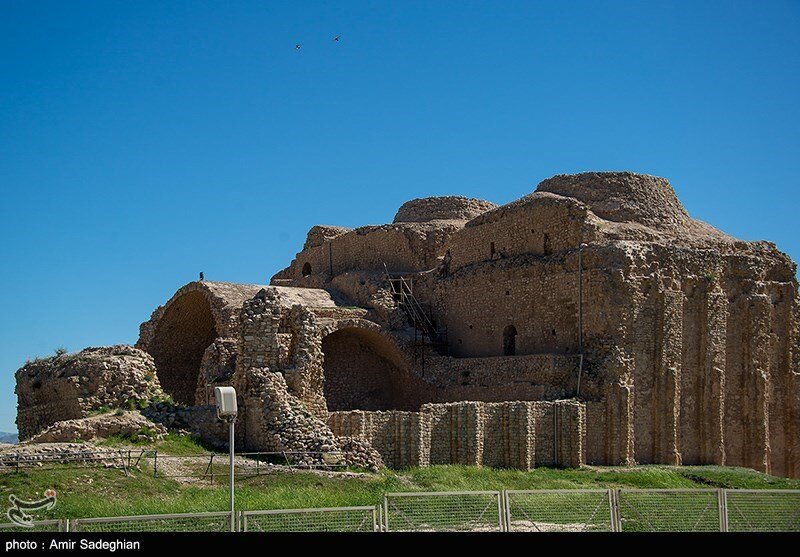
Founding new cities was central to this project. Ardashir, Shapur, and their successors established numerous royal cities, such as Ardashir-Khwarrah and Bishapur. These weren't just military garrisons; they were centers of administration, trade, and culture, populated with artisans, merchants, and, sometimes, prisoners of war from Roman campaigns. These cities helped to urbanize Persia and project the Shahanshah's power directly into the provinces.
Khosrow's Great Reforms
By the 6th century, the Sasanian state faced new challenges. A powerful landed aristocracy threatened the central authority of the Shahanshah, and the empire's tax system was inefficient. It fell to Khosrow I, one of the most celebrated Sasanian kings, to enact a series of sweeping reforms.
First, he tackled the land tax. Previously, taxes were collected as a percentage of the annual harvest. This system was unpredictable for the state and could be devastating for farmers in a bad year. Khosrow's reform, known as the kharag, assessed a fixed tax based on a detailed survey of land, measuring its size, soil quality, and what was cultivated. This created a stable and predictable revenue stream for the state, allowing for better long-term financial planning. This system was so effective that it was later adopted and adapted by the Islamic caliphates.
Second, Khosrow reorganized the empire's administration. He divided the vast territory of Eranshahr into four distinct military and administrative quarters, or kusts: North (Adurbadagan), South (Nimruz), East (Khurasan), and West (Khwarasan). Each kust was governed by a powerful military general (spahbed) who was responsible for its defense and administration. This reform decentralized military command, making provincial defense more responsive, while simultaneously strengthening the Shahanshah's overall control by preventing any single general from commanding the entire Sasanian army.
These administrative and fiscal reforms solidified the Sasanian state, creating a robust and resilient empire that would endure for another century, shaping the political and cultural landscape of the region for generations to come.
Now, check your understanding of the Sasanian rise to power and their administrative innovations.
What key event marked the final collapse of the Parthian Empire and the rise of the Sasanian Empire?
The Sasanian title Shahanshah ('King of Kings') represented a shift towards a more centralized, bureaucratic state compared to the decentralized, feudal structure of the Parthians.
The Sasanian transition from a decentralized Parthian system to the centralized state of Eranshahr demonstrates a masterful blend of military conquest, administrative reform, and ideological construction.