Globalization's Impact on Jamaica
Introduction to Globalization
What is Globalization?
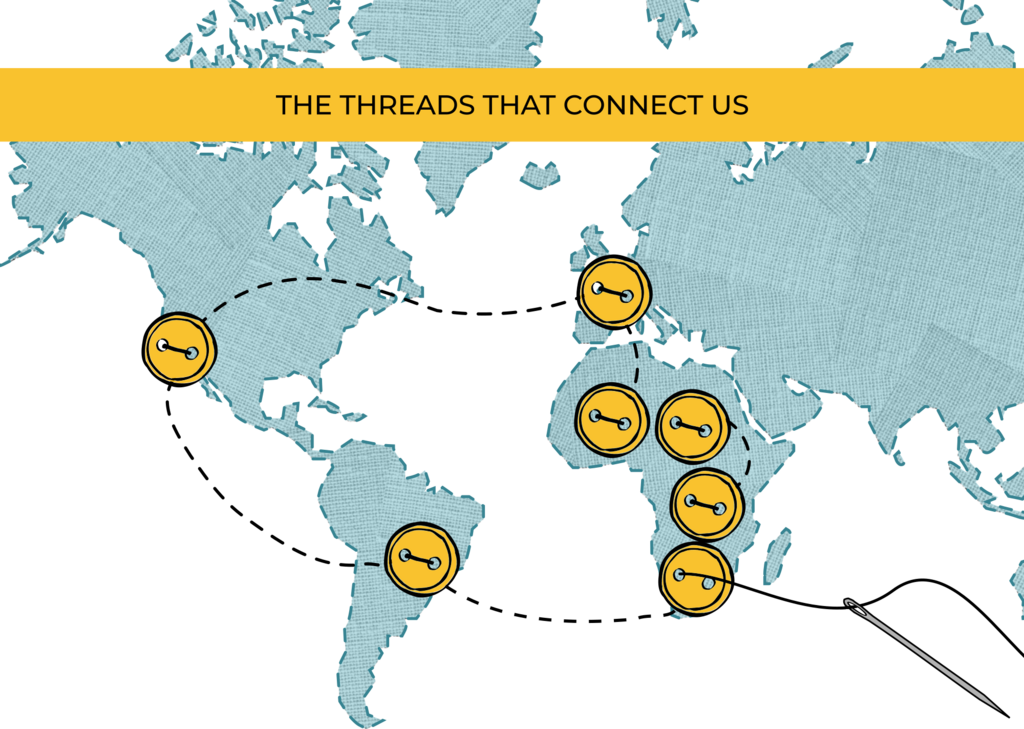
Think about the phone in your pocket, the coffee you drank this morning, or the music you stream. The parts for your phone were likely made in several different countries and assembled in another. Your coffee beans may have been grown in South America and roasted in Europe. The artist you're listening to could be from South Korea, but they're a global superstar. This web of connections is globalization in a nutshell.
Globalization: The process by which countries become interconnected through the movement of goods, services, technology, and investments.
While the word feels modern, the process isn't new. For centuries, traders moved goods, ideas, and cultures along routes like the Silk Road, connecting Asia with Europe. What's different today is the speed and scale. Thanks to container ships, the internet, and air travel, our world is more connected than ever before. These technologies collapsed time and distance, accelerating the integration of economies and societies that began picking up steam after World War II.
The Faces of Globalization
Globalization isn't just one thing; it wears many hats. We can generally break it down into three main categories: economic, political, and cultural. Each dimension describes a different way our world is becoming more intertwined.
| Dimension | What It Is | Examples |
|---|---|---|
| Economic | The integration of national economies into a single global economy. | Multinational corporations, international trade agreements (like the WTO), global supply chains. |
| Political | The increasing influence of international organizations and cooperation between countries. | The United Nations (UN), international treaties on climate change, global health initiatives. |
| Cultural | The spread of ideas, values, and cultural products across national borders. | The global popularity of Hollywood movies, the spread of fast-food chains, sharing music and art online. |
Economic globalization is what most people think of first. It’s about money and markets. Companies operate across borders, building factories in one country to sell products in another. This creates complex global supply chains where a single product might have components from a dozen different nations.
Political globalization refers to the way countries work together to solve shared problems. When nations sign an agreement to reduce carbon emissions or coordinate a response to a pandemic, they are participating in political globalization. Organizations like the United Nations provide a platform for this kind of cooperation.
Finally, there's cultural globalization. This is the flow of ideas, art, and media across the world. It’s why you can eat sushi in Chicago, listen to Afrobeats in London, and watch a Scandinavian TV show in Tokyo. The internet and social media have made this cultural exchange faster and more widespread than at any other point in history.
A Double-Edged Sword
For developing economies, globalization presents both massive opportunities and significant challenges. It’s not a simple story of good or bad; the impact is complex and varies from one country to another.
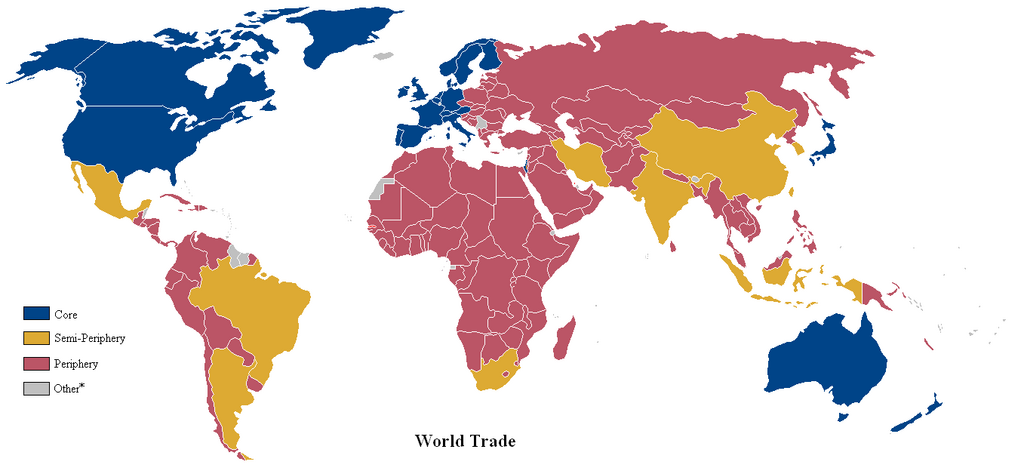
On one hand, globalization can be a powerful engine for growth. By connecting to the world economy, developing countries can attract foreign investment, which can fund new infrastructure and create jobs. They gain access to new technologies and can sell their goods to a much larger global market. This can lead to higher incomes and improved living standards.
On the other hand, there are serious risks. Local businesses in developing countries can struggle to compete with large, established multinational corporations. An economic crisis in one part of the world, like the 2008 financial crisis in the United States, can quickly spread and cause damage globally. There's also the risk of a "brain drain," where the most educated and skilled workers leave their home countries for better-paying jobs in wealthier nations.
For developing nations, the challenge of globalization is to harness its economic power for growth while protecting their economies and populations from its volatility.
Let's review some of the key ideas we've covered.
Now, check your understanding of these foundational concepts.
According to the provided text, what is the primary factor that distinguishes modern globalization from its historical precedents like the Silk Road?
A group of nations signs a treaty to coordinate their efforts in combating climate change. This action is a clear example of which dimension of globalization?
Understanding these basic dimensions of globalization is the first step. It provides the framework for analyzing how global forces shape the economic destinies of individual countries.