Global Trade Essentials for Importers and Exporters
Global Trade Basics
What is Global Trade?
At its heart, international trade is simply the exchange of goods and services between countries. It's the reason you can buy coffee grown in Colombia, wear clothes made in Vietnam, and use a smartphone assembled in China. This global marketplace connects economies and cultures in a vast, intricate network.
Import
verb
To bring goods or services into a country from abroad for sale.
When a country buys goods from another, it's called importing. Think of your morning orange juice. If the oranges were grown in Brazil and sold in Europe, they were imported into Europe.
Export
verb
To send goods or services to another country for sale.
Conversely, when a country sells goods to another, it's exporting. If a French company sells cheese to a store in Canada, France is exporting that cheese. These two activities, importing and exporting, are the twin engines of global trade.
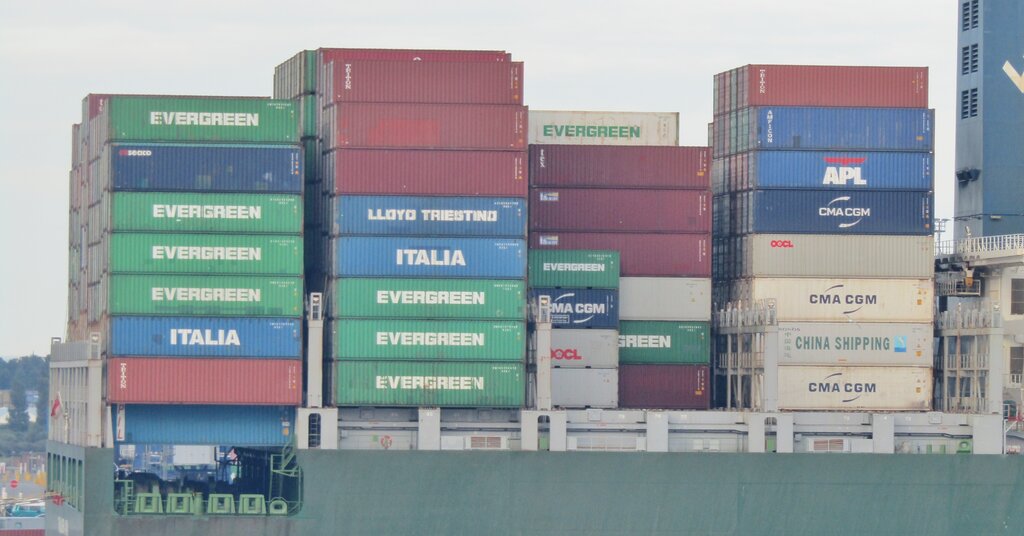
The scale is immense. Trillions of dollars worth of goods cross borders every year, from raw materials like iron ore to finished products like cars and laptops. This constant flow shapes our daily lives and the health of the world economy.
In recent decades, trade between nations has constituted an important component of global Gross Domestic Product (GDP), with official estimates showing that it likely accounted for a quarter of total global production.
The Key Players
Global trade isn't a single transaction but a complex dance between several key players. Each has a distinct role and motivation.
Businesses are the primary drivers. They are the producers, manufacturers, and sellers looking to grow. A small artisan might export handmade crafts to a new market, while a multinational corporation might import raw materials from a dozen countries to manufacture a single product.
Consumers, like you and me, are at the other end. Our demand for variety, quality, and affordable prices fuels the entire system. When we choose to buy a product made abroad, we are participating in global trade.
Governments act as the referees and rule-makers. They set trade policies, negotiate agreements with other countries, and impose taxes (called tariffs) on imported goods. Their goal is often to protect local industries, ensure the safety of goods, and manage their national economies.
Benefits and Challenges
Why do countries engage in so much trade? The benefits are significant and ripple through all levels of the economy. But it's not without its difficulties. A smooth flow of goods across the globe requires overcoming some serious hurdles.
| Stakeholder | Benefits of Global Trade |
|---|---|
| Consumers | Access to a wider variety of goods, often at lower prices. |
| Businesses | Opens up larger markets for their products, allowing for growth and economies of scale. |
| Countries | Fosters economic growth, allows access to resources not available domestically, and strengthens international relations. |
Despite the clear advantages, international trade is full of challenges. Moving goods across thousands of miles is a logistical puzzle. A delay at a single port can cause a ripple effect across an entire supply chain, affecting businesses and consumers weeks later.
Other hurdles include navigating different languages and cultural business practices, dealing with currency exchange rate fluctuations, and understanding the complex web of tariffs and trade barriers that governments put in place.
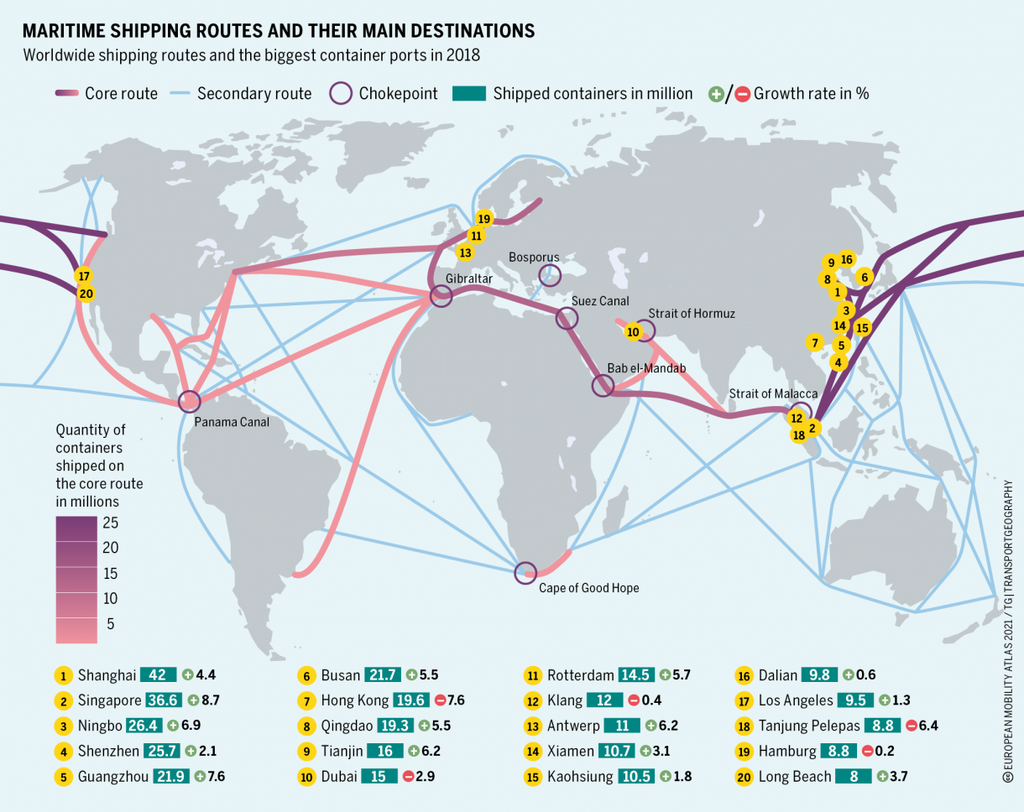
Understanding these core ideas—what trade is, who participates, and its pros and cons—is the first step to grasping the complex, interconnected global economy we all live in.
Ready to test your knowledge?
When a country buys goods from another country, it is called:
A Japanese company builds a car and sells it to a customer in Canada. From Japan's perspective, this is an example of: