Global Tax Rules BEPS and Minimum Tax
Introduction to BEPS
The Disappearing Profits
Multinational enterprises (MNEs) operate across many countries. They might design a phone in California, source parts from South Korea, assemble it in China, and sell it in Germany. Each step adds value and, in theory, generates profit that should be taxed where the activity occurs.
However, the global nature of these businesses allows them to use strategies called Base Erosion and Profit Shifting (BEPS). This is a technical term for moving profits from high-tax countries where the real economic activity happens, to low- or no-tax jurisdictions, often called tax havens.
The goal of BEPS is to make profits seem to appear in a country with very low taxes, even if the company has few, if any, employees or sales there.
How It Works
Companies use gaps and mismatches in different countries' tax laws to make this happen. A common method involves the strategic placement of intellectual property (IP), like patents or brand logos.
Imagine a company develops a valuable software patent in Germany, a country with a relatively high corporate tax rate. Instead of keeping the patent there, it sells it to a subsidiary it owns in a country with a 0% tax rate on IP income. Now, the German branch must pay massive royalty fees to the subsidiary in the tax haven to use its own patent. These royalty payments are a business expense in Germany, reducing the company's taxable profits there. Meanwhile, the royalty income piles up, untaxed, in the subsidiary.
Another key mechanism is transfer pricing. This is the price charged when one part of a company sells goods or services to another part. By manipulating these internal prices, a company can ensure that little profit is recorded in high-tax countries, and most of it is logged in low-tax ones.
The Impact of BEPS
When large corporations don't pay their fair share, the tax burden shifts. Governments might have to raise taxes on small businesses and individuals to make up for the lost revenue. Public services like schools, healthcare, and infrastructure can also suffer from underfunding.
This creates an uneven playing field. Local businesses that operate in only one country can't use these complex international loopholes, putting them at a significant disadvantage against large MNEs.
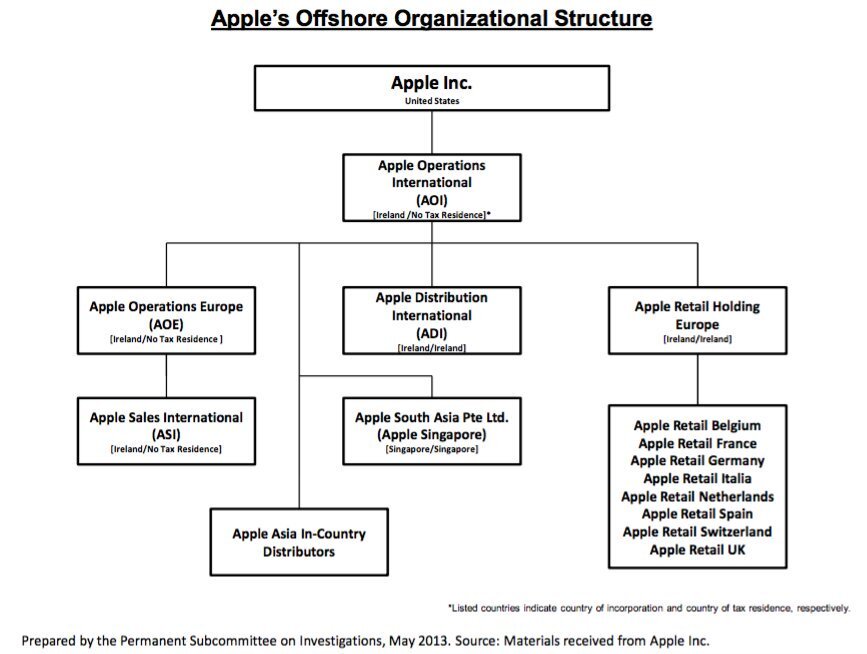
For tax authorities, BEPS presents a massive challenge. The structures are often legally complex and span many jurisdictions, making them difficult to track and audit. Because each country sets its own tax laws, a transaction that is perfectly legal in all countries involved can still result in profits that go completely untaxed. This is why international cooperation has become essential to address the problem.
Check your understanding of these core concepts.
What is the primary goal of Base Erosion and Profit Shifting (BEPS) strategies used by multinational enterprises?
An MNE develops a valuable patent in Country A (high tax rate) and then sells it to a subsidiary in Country B (low tax rate). The subsidiary in Country B then charges the parent company in Country A a large royalty fee to use the patent. This is a common BEPS strategy involving:
Tackling BEPS requires a coordinated global effort, as no single country can solve the issue on its own.