Global Pharmaceutical Clinical Trials
Introduction to Clinical Trials
What Are Clinical Trials?
Clinical trials are research studies that test how well new medical approaches work in people. These studies are the primary way researchers find out if a new treatment, like a drug or a medical device, is safe and effective. They are a crucial step in developing new medicines and therapies.
Before a new treatment can be widely used, it must go through this rigorous testing process. The goal is to gather data on the treatment's benefits and risks. Each trial is designed to answer specific scientific questions and to protect the people taking part.
The Four Phases
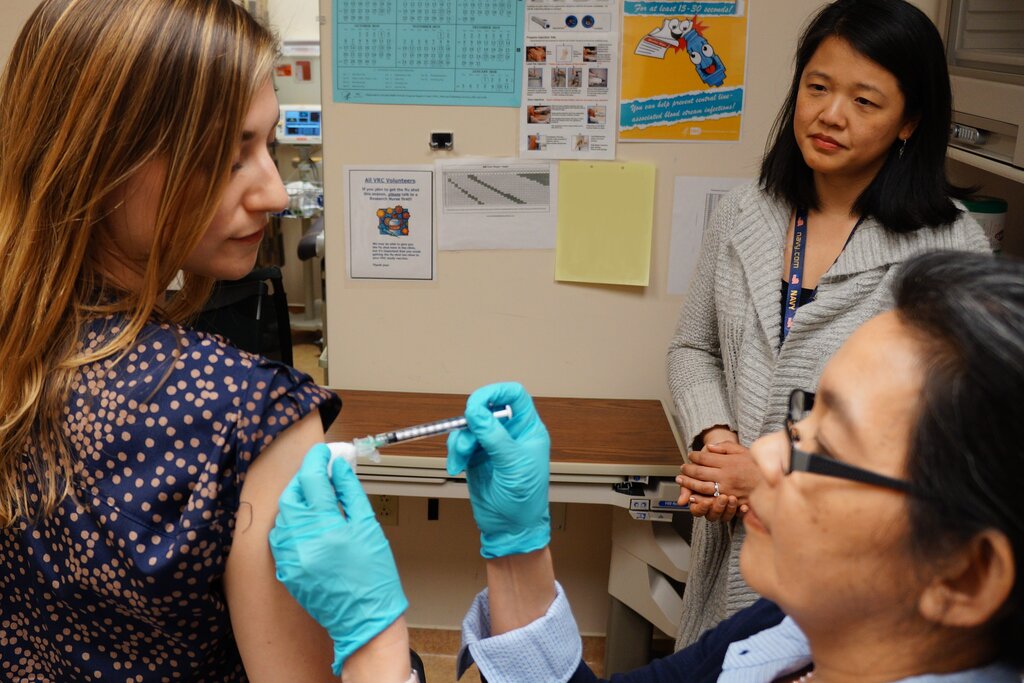
Clinical trials are conducted in a series of steps called phases. Each phase has a different purpose and helps researchers answer different questions. If a new treatment is successful in one phase, it can move on to the next.
Phase I: The new treatment is given to a small group of people, often healthy volunteers. The main goals are to evaluate its safety, determine a safe dosage range, and identify side effects.
Phase II: The treatment is given to a larger group of people who have the disease or condition it's intended to treat. This phase tests the treatment's effectiveness and continues to evaluate its safety.
Phase III: The study expands to an even larger group. Researchers compare the new treatment to a standard treatment or a placebo (an inactive substance). The goal is to confirm its effectiveness, monitor side effects, and collect information that will allow the new treatment to be used safely.
Phase IV: These studies take place after the treatment has been approved and is on the market. They gather more information about the treatment's risks, benefits, and optimal use in the general population.
Ethical Principles in Research
Protecting the rights and well-being of human participants is the most important aspect of clinical research. All trials must follow strict ethical guidelines.
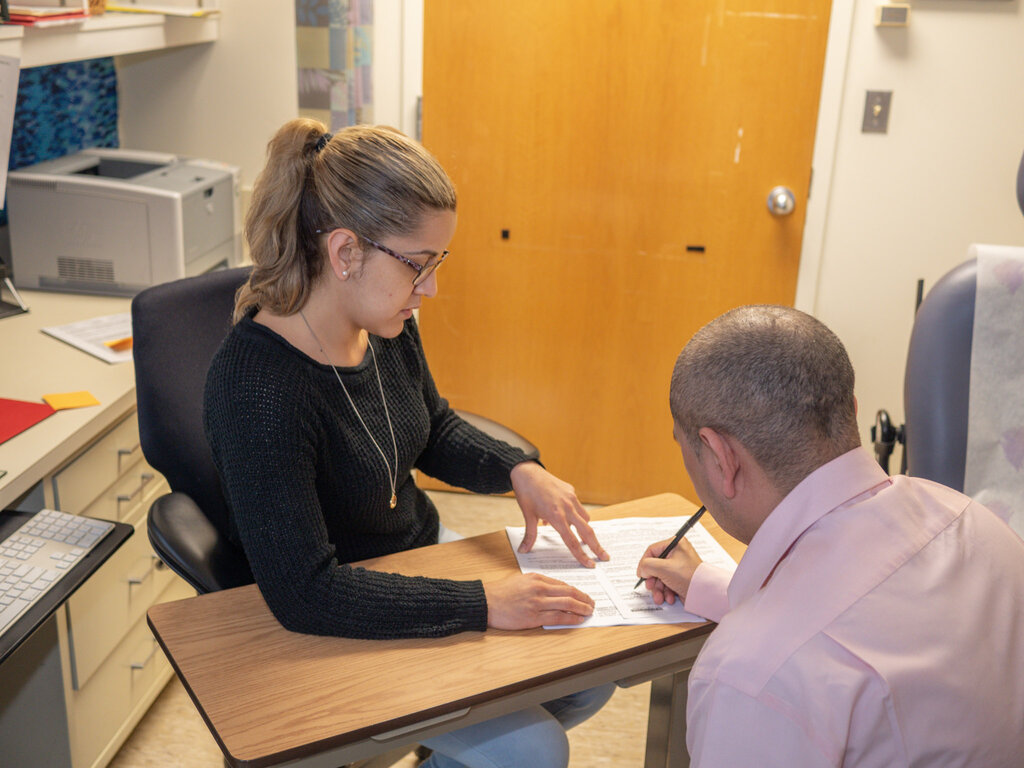
The cornerstone of ethical research is informed consent. This is a process, not just a form.
Before joining a trial, potential participants must be told about the study's purpose, procedures, potential risks, and benefits. They need to understand what they are agreeing to. They must give their voluntary permission to participate and are free to leave the study at any time for any reason.
To provide oversight, an independent committee called an Institutional Review Board (IRB) or Ethics Committee reviews and monitors the trial. This committee includes doctors, scientists, and members of the community. Their job is to ensure the trial is ethical and that the rights of participants are protected.
The Key Players
Several groups work together to make a clinical trial happen. Each has a distinct role in ensuring the trial is conducted safely and effectively.
| Role | Description |
|---|---|
| Sponsor | The organization or person who initiates, manages, and finances the trial. This can be a pharmaceutical company, a university, or a government agency like the National Institutes of Health (NIH). |
| Investigator | A healthcare professional, usually a doctor, who conducts the clinical trial at a study site. They are responsible for the health of the participants and for collecting the study data. |
| Regulatory Body | A government agency that oversees clinical trials and approves new treatments for public use. In the United States, this is the Food and Drug Administration (FDA). |
These players work in concert, from the initial idea for a new therapy all the way through to its approval for patients. Their collaboration is essential for advancing medicine.
Designing a robust clinical trial is essential to generate reliable and meaningful results.
Now, let's test your understanding of these core concepts.
What is the primary purpose of a Phase I clinical trial?
A new drug has shown promise in a small group of patients and now needs to be compared against the current standard treatment in a very large population. Which phase would this be?
Understanding these fundamentals provides a solid base for exploring the more complex aspects of how new medicines are developed and approved.