Global Pharma Trade Explained
Global Pharmaceutical Trade Overview
The Global Flow of Medicine
Every day, millions of people rely on medicines that were made in another country. The global pharmaceutical trade is a massive, complex network that moves everything from simple pain relievers to life-saving cancer treatments across borders. This trade is not just about logistics; it's about global health. In a single year, the trade in pharmaceutical products can be worth over a trillion dollars, making it a powerful force in the world economy.
This constant exchange ensures that breakthroughs in one country can benefit patients everywhere and that essential medicines are available even in places with limited local production.
Powerhouse Exporters
A handful of countries dominate the export market, largely due to their heavy investment in research and development and their advanced manufacturing capabilities. For decades, European nations have been at the forefront. Germany, Switzerland, and Ireland are consistently among the top exporters. They are home to many of the world's largest pharmaceutical companies and have a long history of chemical and biological innovation.
The United States is another major player, exporting a wide range of high-value drugs. More recently, countries like India and China have become critical suppliers, especially for active pharmaceutical ingredients (APIs), which are the core components used to make finished drugs.
| Country | Key Exports |
|---|---|
| Germany | Packaged medicines, vaccines, immunological products |
| Switzerland | High-value patented drugs, biologics |
| Ireland | Advanced chemical compounds, bulk pharmaceuticals |
| United States | Biologics, cancer treatments, brand-name drugs |
| India | Generic medicines, active pharmaceutical ingredients (APIs) |
Major Importers
On the other side of the equation are the major importing countries. Often, the biggest exporters are also among the biggest importers, as they trade specialized products with one another. The United States is the world's largest importer of pharmaceuticals, driven by its large population, high healthcare spending, and demand for a wide variety of medicines.
Other major importers include Germany, China, and Japan. These countries import both finished drugs for their citizens and raw materials to support their own domestic pharmaceutical industries. A country might export a particular type of cancer drug while importing a different vaccine, creating a dynamic web of exchange.

What's Being Traded
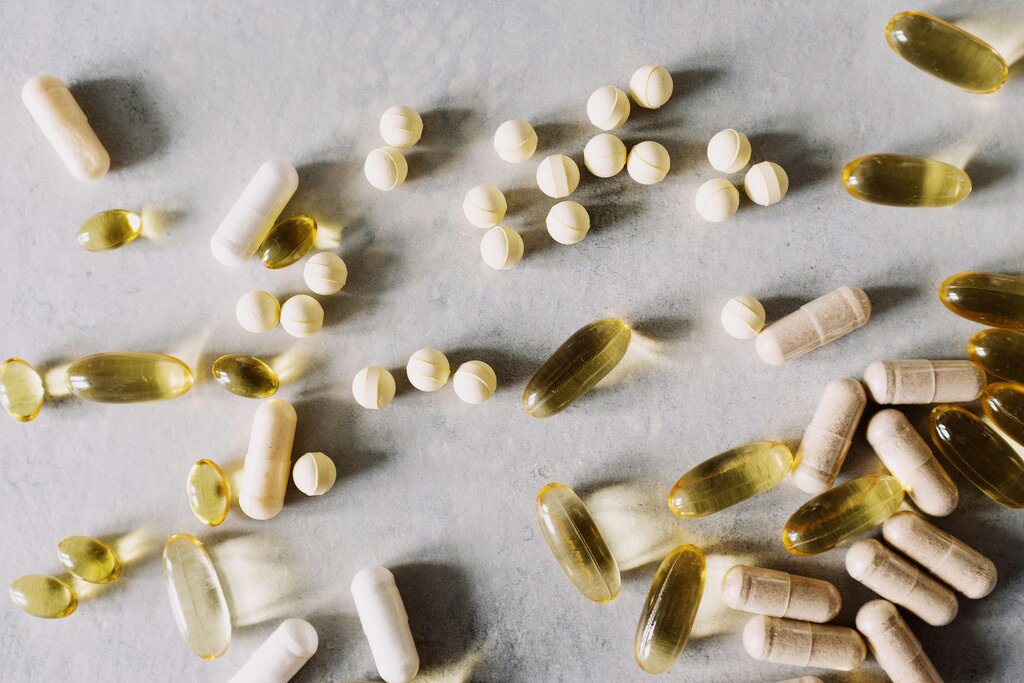
The products moving through this global network are diverse. They can be broken down into a few main categories. The largest category by value is usually finished, packaged medicines ready for patients. This includes everything you’d find at a pharmacy, from pills and capsules to injectables and inhalers.
Another critical category is biologics. These are complex medicines derived from living organisms, such as vaccines and antibody treatments. They are often expensive and require specialized manufacturing and handling. Finally, there's a huge trade in active pharmaceutical ingredients (APIs). These are the raw materials that are combined with other substances to create a final drug product. A single pill might contain an API from one country and be manufactured and packaged in another.
Keeping Trade Safe and Fair
With so much at stake, international organizations play a vital role in overseeing the global pharmaceutical trade. The World Health Organization (WHO) helps set global standards for the quality, safety, and efficacy of medicines. It also runs a program to prequalify medicines, which helps developing countries purchase quality drugs with confidence.
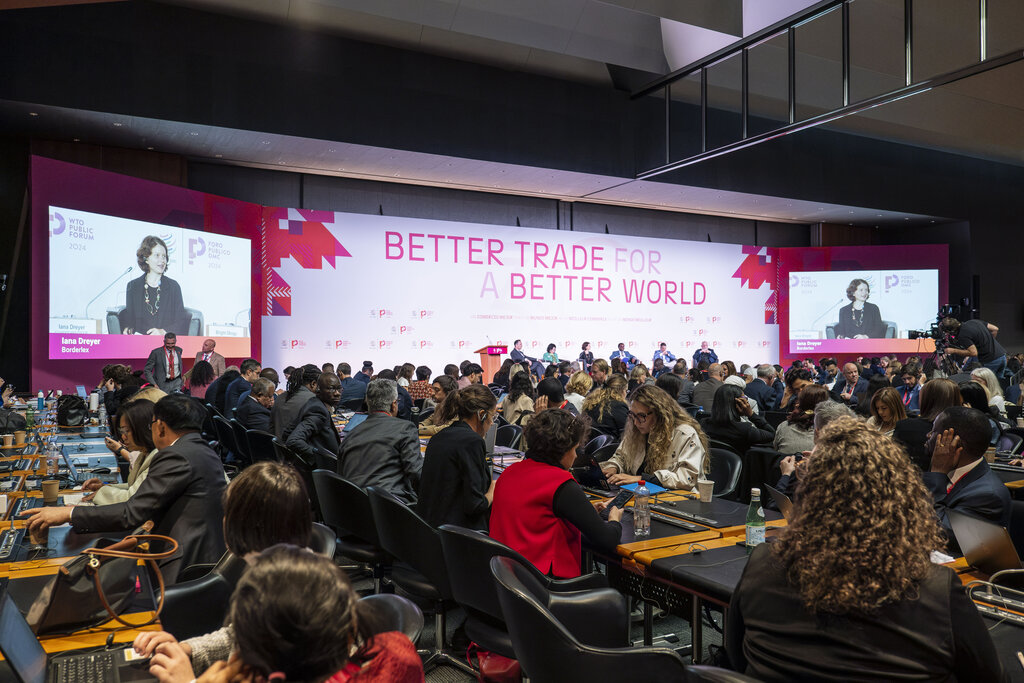
The World Trade Organization (WTO) facilitates trade by setting rules that its member countries agree to follow. It helps reduce trade barriers and provides a forum for resolving disputes. For example, the WTO's Agreement on Trade-Related Aspects of Intellectual Property Rights (TRIPS) has major implications for pharmaceutical patents and the trade of generic drugs.
In recent decades, trade between nations has constituted an important component of global Gross Domestic Product (GDP), with official estimates showing that it likely accounted for a quarter of total global production.
These organizations work to ensure the system is not only efficient but also equitable, balancing the interests of innovation with the need for broad access to essential medicines.
Let's review some of the key ideas from this section.
Now, check your understanding with a few questions.
Which of the following is the world's single largest importer of pharmaceutical products?
What are Active Pharmaceutical Ingredients (APIs)?
The global trade in medicine is a vital system that connects innovators, manufacturers, and patients across the world.