Global Penis Size Variations Explained
Anatomy and Physiology
The Structure of the Penis
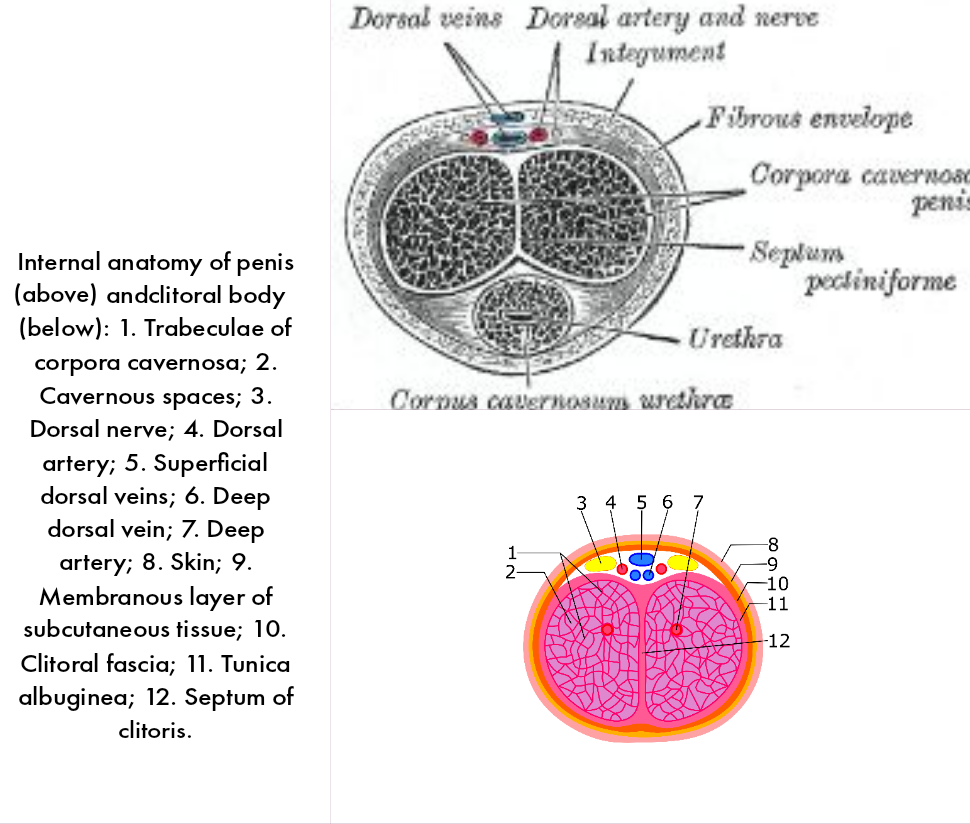
The penis is composed of several key parts that work together. Externally, we see the shaft and the glans, which is the sensitive tip. A tube called the urethra runs through the entire length of the penis, serving as a passageway for both urine and semen, though never at the same time.
Internally, the structure is a bit more complex. The bulk of the penis is made up of three columns of spongy, erectile tissue. Two of these, lying side by side, are the corpora cavernosa. Think of them as two balloons that can fill with blood. The third column, which lies beneath them and surrounds the urethra, is the corpus spongiosum. This tissue also fills with blood but remains less rigid during an erection to keep the urethra open.
The Mechanics of an Erection
An erection is a hydraulic event, driven entirely by blood flow. It begins with sexual arousal, which can be triggered by physical touch or psychological stimuli. This arousal sends nerve signals from the brain and spinal cord to the arteries in the penis.
In response to these signals, the arteries relax and widen, allowing a surge of blood to enter the corpora cavernosa and corpus spongiosum. As this erectile tissue fills with blood and expands, it presses against the veins that normally drain blood away from the penis. This compression traps the blood, causing the penis to become firm and erect.
Essentially, an erection is achieved when more blood flows into the penis than flows out.
Ejaculation and Hormones
Ejaculation is the process of releasing semen from the body. It happens in two stages. The first is emission, where sperm moves from the testes into the urethra and mixes with fluids from the seminal vesicles and prostate gland to form semen. The second stage is expulsion, where strong, rhythmic contractions of muscles at the base of the penis force the semen out of the urethra.
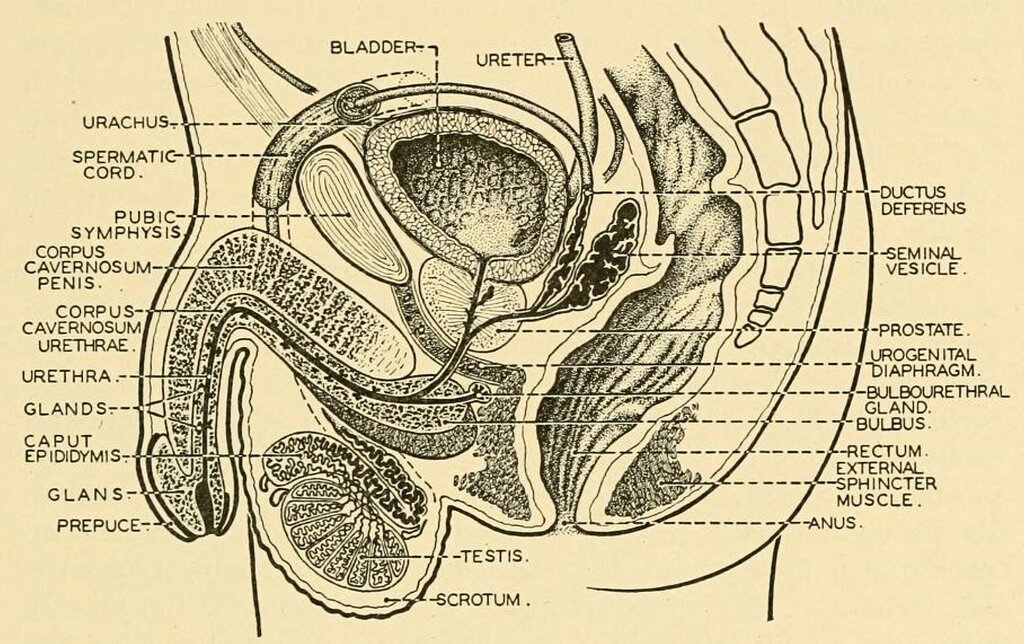
This entire system is regulated by hormones. Testosterone, produced primarily in the testes, is the main male sex hormone. It plays a crucial role in the development of male reproductive tissues and secondary sexual characteristics. It also drives libido, or sexual desire, which is often the starting point for the physical processes of erection and ejaculation.
Now let's review the key terms we've discussed.
Time to check your understanding.
What are the three columns of spongy, erectile tissue that make up the bulk of the penis?
What is the primary mechanism that causes a penis to become erect?
Understanding the basic anatomy and physiology of the penis provides a foundation for comprehending male reproductive health.