Global New Year's Eve Traditions
Origins of New Year's Celebrations
Ancient Beginnings
Marking the end of one year and the beginning of another feels like a fundamental human tradition. While the fireworks and countdowns are modern, the desire to celebrate this passage is ancient. Some of the earliest recorded New Year's festivals date back 4,000 years to ancient Babylon.
The Babylonians celebrated Akitu, an 11-day festival that took place around the vernal equinox in mid-March. This wasn't just a party; it was a deeply religious and political event. The festival reenacted the myth of the sky god Marduk's victory over the sea goddess Tiamat, a story symbolizing the triumph of order over chaos. Each year, this celebration was meant to cleanse and renew the world for the coming year.
During Akitu, the king would be brought before a statue of Marduk, stripped of his royal insignia, and slapped by a high priest. This act of humility was meant to show his devotion and secure the god's favor for another year.
Cycles of Nature
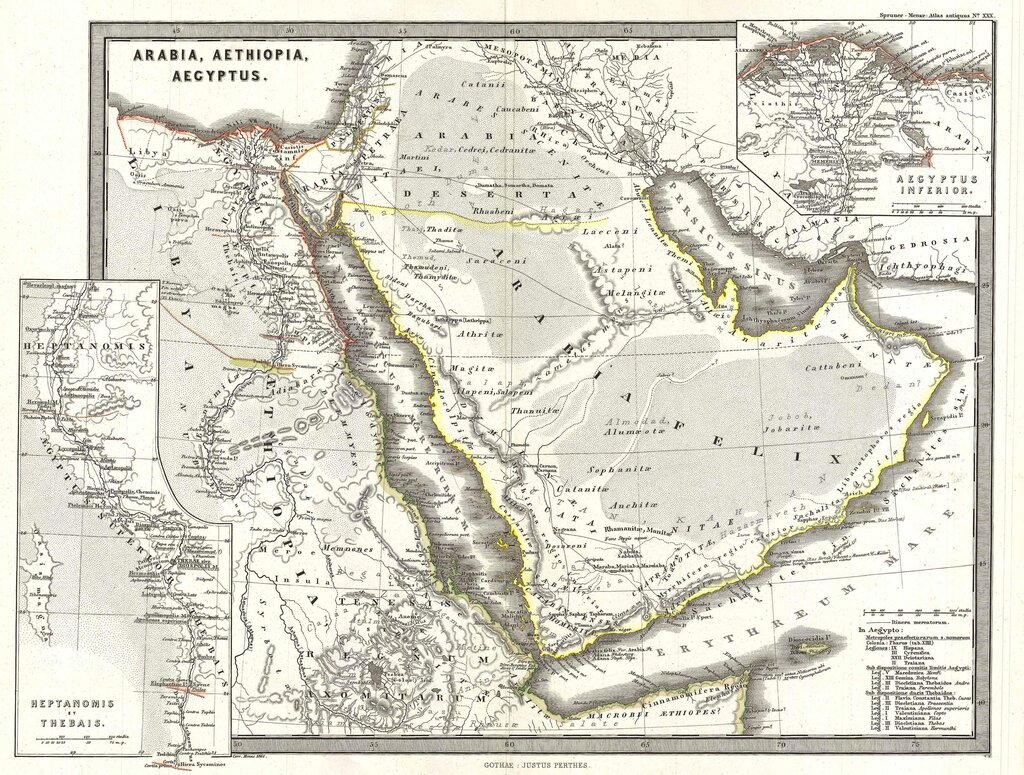
For many ancient cultures, the new year was tied directly to the cycles of the natural world, particularly agriculture. In ancient Egypt, the year began with the annual flooding of the Nile River, an event that brought fertile silt and made farming possible. This vital flood coincided with the heliacal rising of the star Sirius, the brightest star in the night sky.
The Egyptian New Year festival was called Wepet Renpet, which means “opening of the year.” It was a time of feasting and religious ceremonies focused on rebirth and rejuvenation, mirroring the renewal of the land itself by the river's waters.
The Romans also initially tied their new year to the spring equinox. Their early calendar, a messy 10-month system, began in March. But over time, the calendar fell out of sync with the sun.
In 46 B.C., Emperor Julius Caesar created the Julian calendar, which established January 1 as the start of the new year. The month was named for Janus, the Roman god of beginnings, gates, and transitions. Janus was depicted with two faces, one looking back into the past and the other forward into the future, a perfect symbol for the turning of the year. Romans would celebrate by offering sacrifices to Janus, exchanging good wishes, and decorating their homes with laurel branches.
Spiritual and Lunar Calendars
Not all New Year's traditions were tied to harvests or solar events. Some were based on lunar cycles and held deep spiritual meaning.
Rosh Hashanah, the Jewish New Year, literally means “head of the year.” Its origins are biblical, marking the anniversary of the creation of the universe. Unlike the boisterous celebrations of other cultures, Rosh Hashanah is a time for introspection and prayer. It begins a ten-day period of repentance, known as the High Holy Days, which culminates in Yom Kippur, the Day of Atonement.
For thousands of years, Chinese New Year has been celebrated throughout Asia to welcome Lichun (the beginning of spring) and new beginnings in Chinese culture.
The Chinese New Year is based on a lunisolar calendar, so the date changes each year, typically falling between January 21 and February 20. The celebration's origins are rooted in legend, most famously the story of a mythical beast called Nian (年). Nian would come out on the eve of the new year to attack people and livestock. Villagers discovered that the beast was afraid of loud noises, the color red, and fire. These discoveries led to the traditions of setting off firecrackers, hanging red lanterns and scrolls, and lighting fires to ward off evil spirits and welcome good fortune.
year; beast
These ancient practices, from Babylon to China, show a universal human need to recognize the passage of time. They created rituals to bring order to the world, seek favor from the divine, reflect on the past, and welcome the future with hope.