Global Microclimate Wonders
Introduction to Microclimates
A World Within a World
Have you ever noticed how one side of a street can feel much warmer than the other? Or how a small patch of moss thrives in the perpetual shade at the base of a tree, even when the surrounding yard is dry and sunny? These are everyday examples of microclimates.
microclimate
noun
The climate of a very small or restricted area, especially when this differs from the climate of the surrounding area.
A microclimate is a localized atmospheric zone where the weather conditions—like temperature, humidity, and wind—are different from the larger area around it. It can be as small as the space under a rock or as large as a valley. Think of it as a small pocket of unique weather nested within a bigger climate system.
Why Microclimates Matter
These small-scale climate variations are incredibly important for ecology. They create a patchwork of different living conditions, or ecological niches, across a landscape. A single hillside, for example, can host a variety of life simply because of the different microclimates on its surfaces.
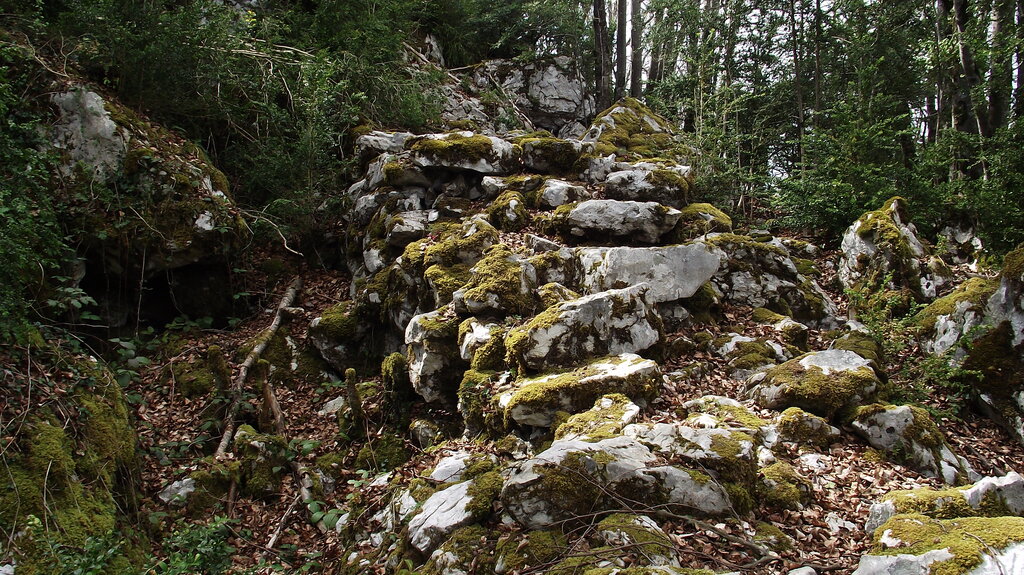
By offering a variety of these niches, microclimates boost biodiversity. A lizard might bask on a sun-drenched rock, while a salamander stays cool under a damp, rotting log just a few feet away. Without these small variations, fewer types of organisms could survive in the same general area. This allows a complex web of life to exist, making ecosystems more resilient and vibrant.
What Creates a Microclimate?
Several factors work together to create these unique climate pockets. They don't operate in isolation; instead, their interplay shapes the specific conditions of a small area.
Think of it like cooking. The final dish depends on the combination of ingredients (the factors) and how they interact. A little more of one or less of another can completely change the result.
Here are some of the main influences:
- Topography: The shape of the land is a major factor. The slope and aspect (the direction a slope faces) determine how much sunlight an area gets. Valleys can trap cool, dense air, while hilltops are often windier.
- Water Bodies: Proximity to oceans, lakes, or even small ponds can moderate temperatures. Water heats up and cools down more slowly than land, creating cooler breezes in summer and warmer conditions in winter.
- Vegetation: Plants provide shade, which lowers ground temperature. They also release water vapor through a process called transpiration, which increases local humidity. A dense forest floor has a very different microclimate than an open field.
- Soil: Different soil types absorb and retain heat differently. Dark, moist soil will be cooler than dry, sandy soil because of evaporation.
- Artificial Structures: In urban areas, buildings, pavement, and other structures create complex microclimates. Asphalt and concrete absorb and radiate heat, leading to the "urban heat island" effect, where cities are significantly warmer than surrounding rural areas.
Understanding these factors helps explain why your garden might have a frost pocket in one corner or why a certain type of wildflower only grows on one side of a trail. It's all about the unique combination of local conditions.
What is the best definition of a microclimate?
The "urban heat island" effect, where cities are warmer than surrounding rural areas, is primarily caused by what?