Global Market and Political Review November 2024 to Present
Post Election Market Baseline
The Trump Trade Ignites
In the days following the November 2024 U.S. election, markets didn't just react; they roared. A Republican clean sweep of the White House and Congress, known as a '', kicked off an immediate and aggressive market realignment. Investors wasted no time piling into what Wall Street quickly dubbed the 'Trump Trade'.
The core bet was simple: a second Trump administration, backed by a friendly Congress, would unleash a wave of pro-business policies. The market immediately began to price in the extension of the 2017 corporate tax cuts and a significant rollback of regulations. This spurred a powerful rally in U.S. equities, sending the S&P 500 and the Nasdaq to record highs. The optimism was built on the belief that lower taxes and less red tape would directly boost corporate profits.
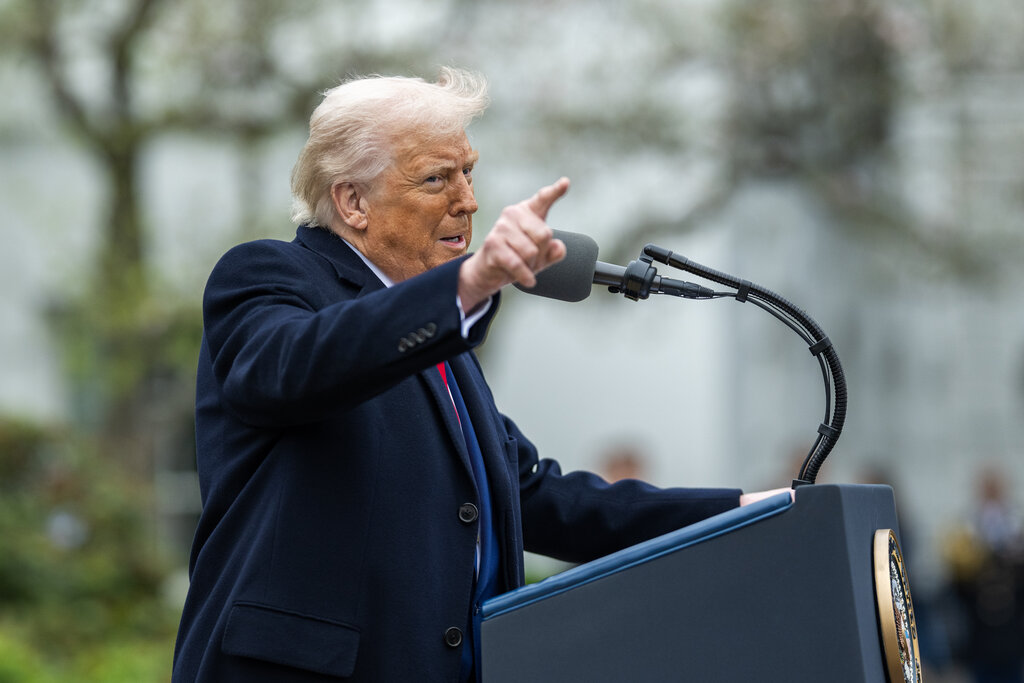
A Stronger Dollar, Weaker Rivals
The optimism in stocks was mirrored by a powerful surge in the U.S. dollar. The , which measures the greenback's strength against a basket of other major currencies, climbed sharply. But this rally wasn't just about domestic policy hopes. It was also driven by the administration's promised protectionist trade stance.
Investors anticipated aggressive tariffs, particularly against China. This outlook put immediate pressure on other global currencies. The Euro (EUR) and the Chinese Yuan (CNY) both weakened significantly against the dollar. Traders reasoned that new tariffs would make U.S. imports more expensive, potentially curbing demand for foreign goods and, by extension, foreign currencies.
A Trump victory leads to a stronger dollar, in many traders’ view, because some of his key policies are inflationary.
The Bond Market's Warning
While equity investors celebrated, the bond market sounded a note of caution. The very policies cheering stock traders—tax cuts and potential government spending—also pointed toward higher inflation. Tax cuts could fuel consumer and business spending, while tariffs would raise the cost of imported goods. Both factors risk pushing prices higher.
In response, bond investors began selling off U.S. Treasurys, causing their prices to fall and their yields to spike. The yield on the benchmark 10-year Treasury note quickly jumped to 4.4%. This reflected the market's growing expectation that the Federal Reserve would be forced to keep interest rates '' to combat these new inflationary pressures. Higher yields on government bonds make borrowing more expensive for everyone, from homebuyers to corporations, acting as a potential brake on the economy.
Here is a summary of the immediate market shifts:
| Market Indicator | Pre-Election Sentiment | Post-Election Reality (Mid-Nov 2024) |
|---|---|---|
| S&P 500 / Nasdaq | Cautious due to policy uncertainty | Rallied to record highs |
| U.S. Dollar (DXY) | Stable | Surged significantly |
| 10-Year Treasury Yield | Hovering below 4% | Spiked to 4.4% |
| Euro (EUR) / Yuan (CNY) | Relatively stable vs. USD | Weakened considerably |
This initial reaction set the stage for the months to come, establishing a baseline of high equity valuations, a strong dollar, and persistent inflation fears that would shape investment strategies globally.
Following the 'Red Sweep' in the November 2024 election, what was the immediate reaction in the U.S. equity markets like the S&P 500?
What was the primary reason for the sell-off in the U.S. Treasury bond market?