Global Literary Perspectives and Traditions
Narrative Structures and Orality
The Living Word
Before stories were written down, they were spoken, sung, and performed. For millennia, history, culture, and law were passed down not through ink on a page, but through the human voice and collective memory. This is the world of orality, where a story is an event, a shared experience between the teller and the audience.
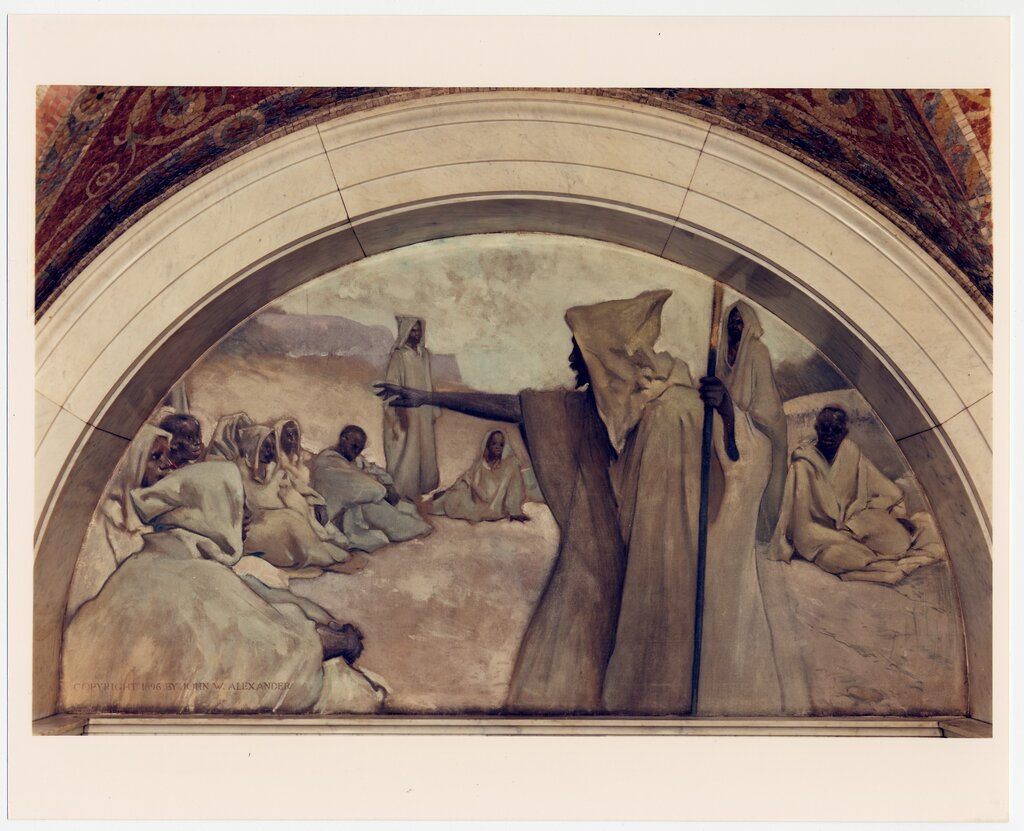
These traditions often use different blueprints than the linear, beginning-middle-end structure common in the Western literary canon. Instead of a straight line, the narrative might be a circle or a spiral, looping back on itself to deepen meaning through repetition. The story isn't just a plot; it's a performance.
The Griot's Song
In many West African cultures, the keeper of this oral tradition is the griot. More than just a storyteller, a griot is a historian, a poet, a musician, and a genealogist. They are living archives, holding the ancestral stories of families, villages, and entire empires within them. Their performances often involve music, with instruments like the kora, a type of harp-lute, accompanying the spoken word.
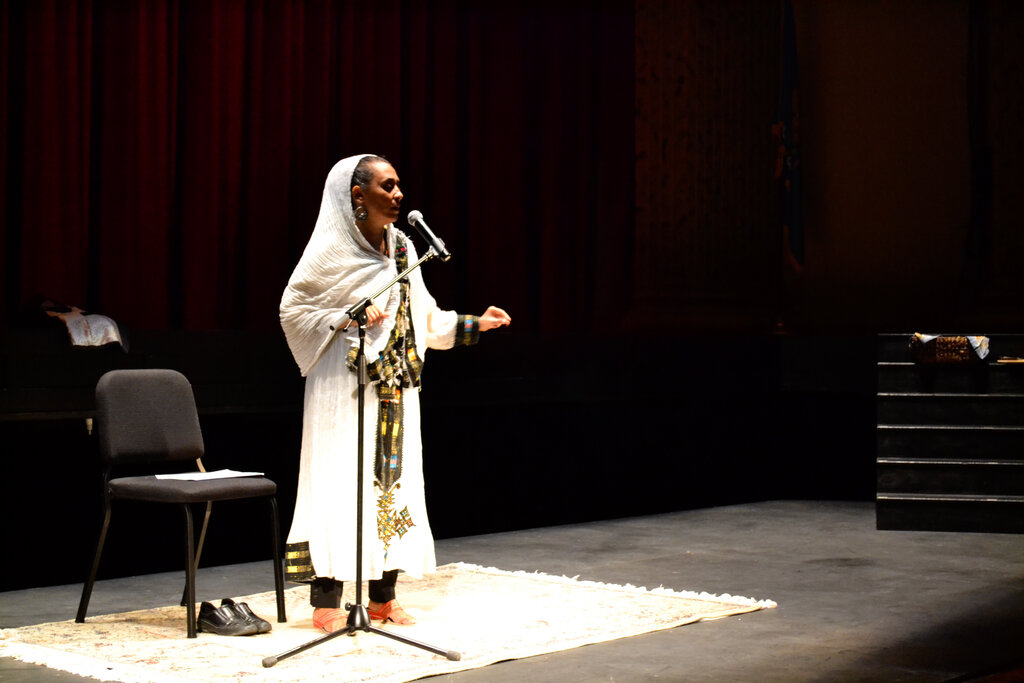
The performance is a communal affair. A griot might use repetition not for simple emphasis, but as a rhythmic anchor for the audience, who often participates through call-and-response. This creates a dynamic, interactive experience that a printed book cannot replicate. The story is shaped by the moment and the energy of the crowd, making each telling unique.
Orality
noun
The quality of being spoken or verbally communicated. In literary studies, it refers to thought and verbal expression in societies where writing is unknown or not widely used.
Weaving Time
Many Indigenous South American cultures also have rich performance-based storytelling traditions. A key difference in their narrative structure is the concept of time. While Western narratives often follow a linear path—Event A leads to Event B, which causes Event C—these traditions may employ circular or spiral time.
In a circular narrative, the past isn't left behind. It's constantly present, influencing and reshaping the now. The story might end where it began, but the characters and the audience see that beginning in a new light.
This worldview, where time is cyclical and interconnected, shapes the very fabric of the story. As these oral traditions influence modern written literature, they create a fascinating . Authors might blend the structure of a novel with the repetitive, rhythmic patterns of an oral epic, or embed communal voices directly into the text. This challenges the conventional boundaries of genre and creates a form of storytelling that is both ancient and new.
Let's review the key concepts we've covered.
Now, test your understanding of these narrative structures.
In many West African cultures, what is the primary role of a griot?
How does the narrative structure of many oral traditions, such as those in some Indigenous South American cultures, often differ from a typical Western literary structure?
Ultimately, these oral traditions show us that history is not just a static record. It's a living narrative, preserved and reshaped through voice, performance, and memory.