Global IT Product Market Entry Strategies
Market Analysis
Gauging the Market
Before launching an IT product in a new country, you need to do your homework. A thorough market analysis acts as your map, highlighting the opportunities and obstacles in unfamiliar territory. It's not just about whether your product is good; it's about whether it's a good fit for a specific place.
We'll focus on three major global markets: the United States, the European Union, and Asia. Each is a massive opportunity, but they are not interchangeable. They have distinct economies, cultures, and digital habits. Understanding these differences is the first step toward a successful international launch.
Market Size and Growth
The first questions are usually about scale. How big is the market? Is it growing, shrinking, or stagnant? These numbers give you a sense of the potential prize. A large, growing market might support more competition, while a smaller, niche market might require a more specialized product.
The USA is often seen as a single, massive market. The EU is a collection of distinct, high-income countries. And Asia is a vast continent with everything from highly developed tech hubs to rapidly emerging economies. You need to look at both the overall picture and the specific trends driving growth in each one.
| Region | IT Market Size (Est.) | Key Growth Areas | Dominant Characteristic |
|---|---|---|---|
| USA | Largest single market | Cloud Computing, AI, SaaS | Early adoption, high competition |
| European Union | Large, fragmented | Fintech, Cybersecurity, Green Tech | Data privacy focus, multilingual |
| Asia | Diverse, rapidly growing | E-commerce, Mobile Tech, Gaming | Mobile-first, diverse economies |
This table gives a bird's-eye view, but the real insights come from digging deeper. For example, 'Asia' is not a monolith. The market dynamics in Japan are completely different from those in India or Vietnam. Likewise, an IT product that succeeds in Germany might need significant changes to appeal to users in Spain.
The Competitive Landscape
Once you understand the market's size, you need to know who is already there. Competitive analysis isn't just about listing other companies. It's about understanding their strategies, their strengths, and their weaknesses. Who are the market leaders? Are there smaller, innovative players? What are customers saying about them?
Mapping the competition helps you find your opening. You might discover an underserved niche or a common weakness in existing products that your solution can solve. This is where you identify how to be different and better.
Utilize frameworks like SWOT analysis (Strengths, Weaknesses, Opportunities, Threats) and Porter’s Five Forces model to comprehend market dynamics and competitive positioning.
Analyzing the competitive field also reveals the dominant business models and pricing strategies in a region. In some markets, a subscription model might be standard, while in others, a one-time purchase or a free, ad-supported model is more common. Aligning with customer expectations here is critical.
Consumer Behavior and Culture
This is where many international ventures succeed or fail. A product that feels intuitive in San Francisco might be confusing in Seoul. Consumer behavior is shaped by culture, technology access, and local habits. You can't assume that what works in one market will work in another.
Consider a few key areas:
- Digital Habits: How do people prefer to pay online? Which social media platforms do they use? In many parts of Asia, mobile payment systems like Alipay and WeChat Pay are dominant, while credit cards are still king in the USA.
- Design Aesthetics: Users in different regions have different tastes. Some prefer minimalist designs, while others respond better to interfaces rich with information and color.
- Language and Tone: Direct, assertive marketing copy might work well in the US but could be seen as abrasive in Japan. Communication must be adapted to local norms.
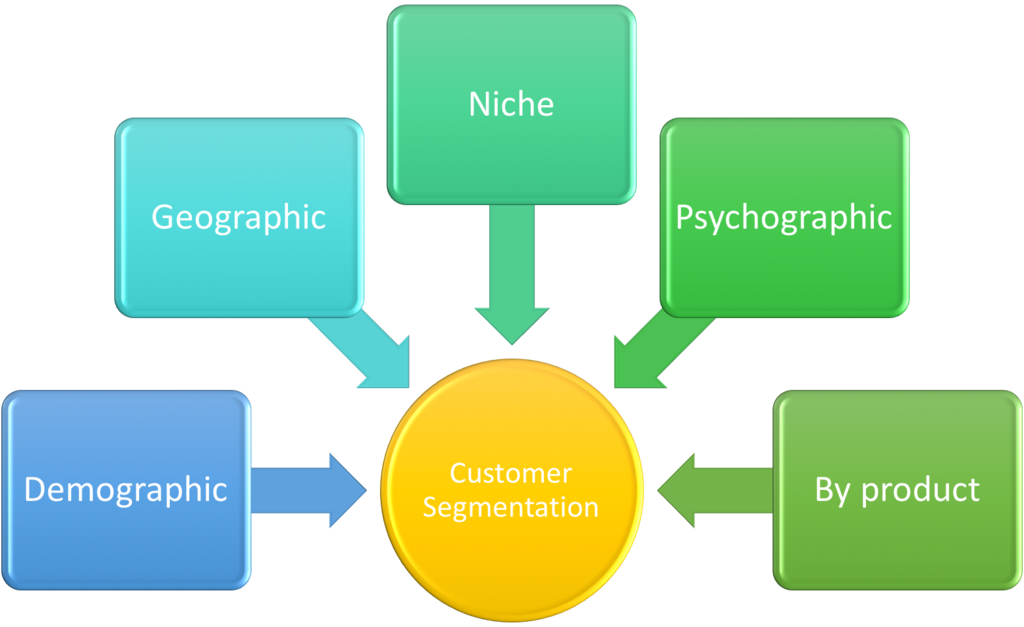
This is the core of localization. It goes beyond simple translation. Localization means adapting your product's functionality, design, and marketing to feel natural and trustworthy to local users. It shows you understand and respect their culture, which is essential for building a loyal customer base.
Now let's review what we've covered.
Why is conducting a thorough market analysis essential before launching an IT product internationally?
Which statement best describes a key difference in consumer digital habits between the US and many parts of Asia?
A solid market analysis provides the foundation for your entire international strategy. By understanding the market's size, its key players, and its unique cultural context, you can make informed decisions and avoid costly mistakes.