Global IT Markets Strategy
Market Analysis
Gauging the Global Markets
Before expanding an IT project internationally, it's essential to look before you leap. A thorough market analysis acts as your map and compass, guiding you through the opportunities and challenges of new territories. For Ukrainian IT companies, the European Union (EU), United States (USA), and Asia represent three distinct, high-potential regions. Each has its own rhythm, rules, and customer expectations. Understanding these differences is the first step toward successful global growth.
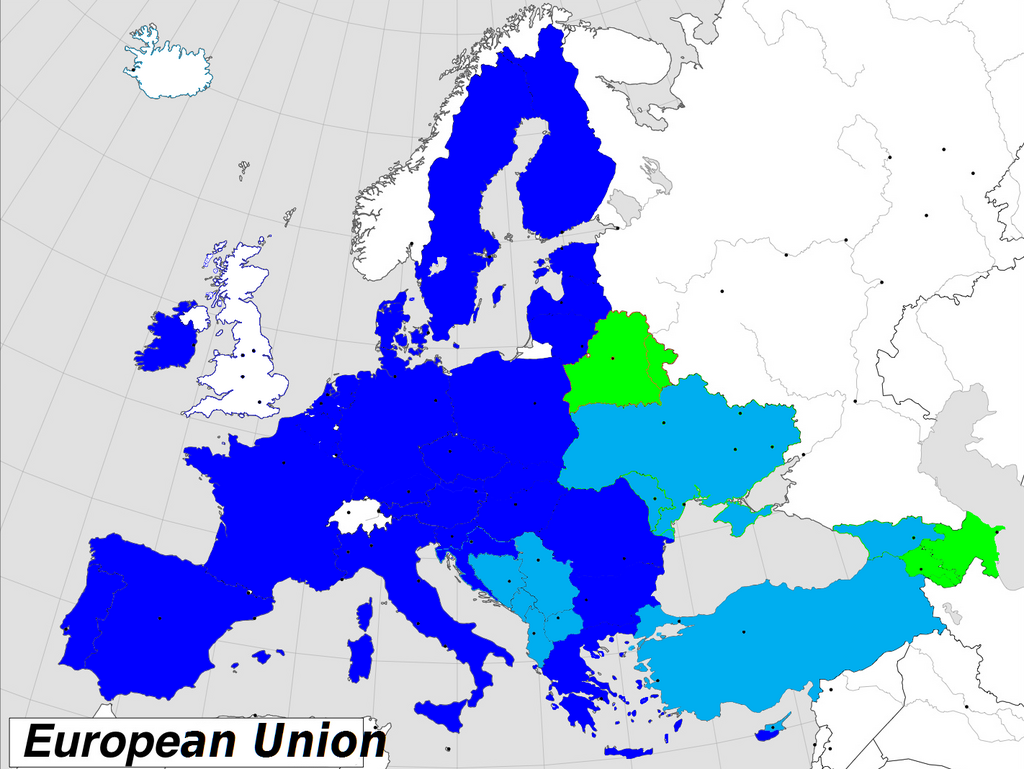
This analysis isn't about choosing a market just yet. It's about gathering intelligence. Think of it as reconnaissance: you're assessing the terrain, identifying the major forces at play, and learning the local customs. This foundational knowledge will inform every decision you make, from product design to marketing.
Size and Growth
The first thing to consider is the scale of opportunity. The USA boasts the world's largest and most mature tech market, driven by massive investment and a culture of rapid innovation. The EU, while sometimes viewed as a single entity, is a collection of strong, individual markets. Its combined size is enormous, with steady growth and high demand for digital transformation services. Asia presents a different picture entirely. It's a continent of contrasts, home to established tech powerhouses like Japan and South Korea, alongside some of the fastest-growing digital economies in the world, such as India and Southeast Asian nations.
| Region | Market Characteristics | Growth Outlook |
|---|---|---|
| USA | Largest single tech market, mature, high R&D spending. | Stable growth, driven by AI, cloud, and SaaS. |
| EU | Large, fragmented, strong focus on regulation and data privacy. | Steady growth, especially in digital transformation and green tech. |
| Asia | Diverse, mobile-first, rapidly expanding middle class. | High growth, led by e-commerce, fintech, and mobile technologies. |
The Competitive Landscape
Knowing the market size is one thing; knowing who you're up against is another. Each region has its own set of dominant players and competitive dynamics.
In the United States, the landscape is dominated by tech giants like Google, Amazon, Microsoft, and Apple. These companies set trends and possess vast resources. However, the U.S. also has a vibrant startup ecosystem, creating a fiercely competitive but opportunity-rich environment.
The European Union features a mix of large national champions (like SAP in Germany or Dassault Systèmes in France) and a thriving network of small and medium-sized enterprises (SMEs). The competitive field can be more localized, with specific companies holding strong positions in their home countries.
Asia is not a monolith. In China, domestic giants like Alibaba, Tencent, and Baidu are dominant. In South Korea, conglomerates like Samsung and LG lead the way, while Japan has its own established tech leaders. Across Southeast Asia, a dynamic mix of local startups and international players compete for market share.
Competition isn't just about rivals. It's also about potential partners. Understanding the key players can reveal opportunities for collaboration and integration.
Navigating the Rules
Every market operates under a different set of rules. Navigating the regulatory environment is non-negotiable for any IT project dealing with data, privacy, and intellectual property.
To avoid regulatory pitfalls, businesses need to conduct thorough research on the legal requirements and best practices of each market they enter.
The EU is famously stringent, with the General Data Protection Regulation (GDPR) setting a global standard for data privacy and user rights. Compliance is complex and penalties for violations are steep. Any company handling the data of EU citizens must adhere to these rules, regardless of where the company is based.
The USA has a more fragmented approach. There is no single federal data privacy law equivalent to GDPR. Instead, regulations are often industry-specific (like HIPAA for healthcare) or state-specific (like the California Consumer Privacy Act, CCPA). This patchwork requires careful legal navigation.
Asia's regulatory landscape is the most diverse. Countries like China have strict data localization laws, requiring that data on Chinese citizens be stored within the country. Other nations are rapidly developing their own data protection frameworks, often inspired by GDPR but with local modifications. It's critical to analyze regulations on a country-by-country basis.
Cultural Context is Key
Finally, technology doesn't exist in a vacuum. It's used by people, and people are shaped by their culture. Understanding cultural nuances and consumer behaviors is crucial for designing products that resonate with local users.
American consumers and businesses often prioritize speed, convenience, and clear, direct communication. The user experience is paramount, and a frictionless interface can make or break a product.
In the EU, with its multitude of languages and cultures, localization is more than just translation. It involves adapting design, marketing, and even functionality to local tastes and business etiquette, which can be more formal than in the US.
In many Asian markets, relationships are foundational to business (like guanxi in China). A mobile-first approach is essential, as smartphones are the primary means of accessing the internet. Aesthetic preferences can also differ significantly from Western markets, favoring different color palettes and information densities.
By analyzing these four pillars—market size, competition, regulation, and culture—a Ukrainian IT company can build a solid foundation of knowledge. This essential homework clears the path for developing tailored strategies that truly fit the unique character of each global market.