Global Gold Reserves and Mining History
Introduction to Gold
The Allure of an Element
For thousands of years, humans have been captivated by gold. It's a chemical element, just like oxygen or iron, with the symbol Au. That symbol comes from its Latin name, aurum, which means "shining dawn." It’s a fitting name. Gold's bright, yellowish hue and brilliant luster are instantly recognizable, making it one of the most sought-after materials on Earth.
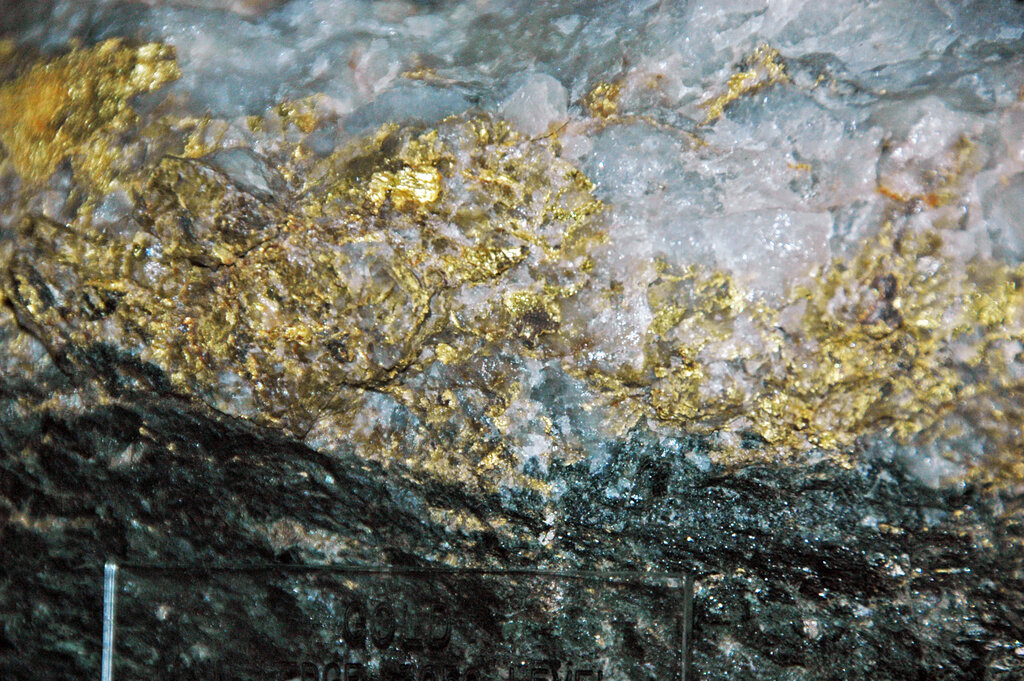
Unlike many other metals, gold often appears in nature in a relatively pure form. People could find nuggets in streams or veins in rock, requiring no complex technology to extract. This accessibility, combined with its unique beauty, cemented its place in human culture from the very beginning.
Unique and Unchanging
Gold's appeal isn't just skin-deep. It has a remarkable set of physical and chemical properties that make it incredibly useful and valuable. For one, it's extremely dense. A block of gold the size of a milk carton would weigh over 40 pounds.
It is also the most malleable and ductile of all metals. Malleability means it can be hammered into incredibly thin sheets. A single ounce of gold can be beaten into a translucent sheet covering 100 square feet. Ductility means it can be drawn into a fine wire; that same ounce could be stretched into a wire 50 miles long.
Chemically, gold is a noble metal. This means it's highly resistant to corrosion and tarnish. The gold jewelry worn by an ancient Egyptian pharaoh looks just as brilliant today because gold doesn't react with air or water.
This permanence is a key reason why it became a symbol of eternity, royalty, and the divine in so many cultures. While iron turns to rust, gold remains unchanged.
| Property | Description |
|---|---|
| Symbol | Au |
| Atomic Number | 79 |
| Luster | Bright, metallic yellow |
| Malleability | Highest of all metals (can be made into leaf) |
| Ductility | Highest of all metals (can be drawn into wire) |
| Reactivity | Very low; resists tarnish and most acids |
Gold in Civilization
Gold's history is intertwined with the history of humanity. In ancient Egypt, gold was considered the flesh of the gods. It was reserved for pharaohs and priests, used to adorn their temples, tombs, and bodies for the afterlife. The famous mask of Tutankhamun, crafted from over 22 pounds of solid gold, is a testament to this reverence.
For the Romans, gold was a symbol of wealth and power. They minted gold coins, like the aureus, which facilitated trade across their vast empire. Roman generals would award gold to their soldiers, and the elite class displayed their status through elaborate jewelry.
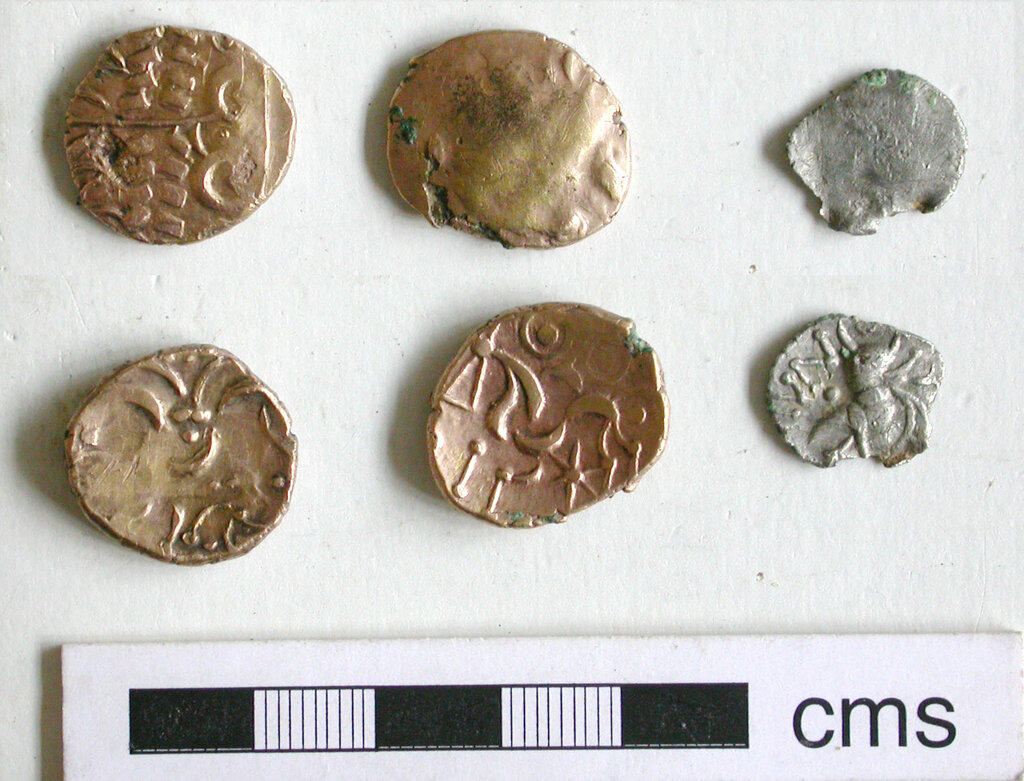
In the Americas, civilizations like the Inca and the Aztec had a different view. For them, gold was not currency but a divine material, the "sweat of the sun" (Inca) or "tears of the gods" (Aztec). They used it to create stunning ceremonial objects and decorate their most sacred spaces.
Across the globe, from Asia to Africa, gold consistently emerged as a standard of value. It was rare enough to be precious but common enough to be used for trade. Its physical properties made it ideal for currency. It was easily divisible into smaller units, portable, and because it doesn't corrode, it was a lasting store of wealth.
That wraps up our introduction to gold. We've seen how its unique properties made it desirable and how different cultures revered it, laying the groundwork for its lasting role in our world.