Global Equity Markets Outlook 2025
Global Equity Markets Overview
What Are Global Equity Markets?
Think of an equity market as a huge, worldwide marketplace. But instead of selling fruits or cars, this market sells tiny pieces of ownership in companies. These pieces are called stocks or equities. When you buy a stock, you become a part-owner of that business, whether it's a tech giant or a local bank.
These markets are "global" because they're all connected. An investor in Japan can easily buy shares in a company based in the United States, and vice-versa. This happens through a network of stock exchanges, which are the organized venues where all this buying and selling takes place.
The World's Trading Floors
Stock exchanges are the heart of equity markets. While trading is mostly digital now, these institutions provide the platform and rules for fair and orderly trading. Each major financial center has its own exchange, but a few stand out for their sheer size and influence.
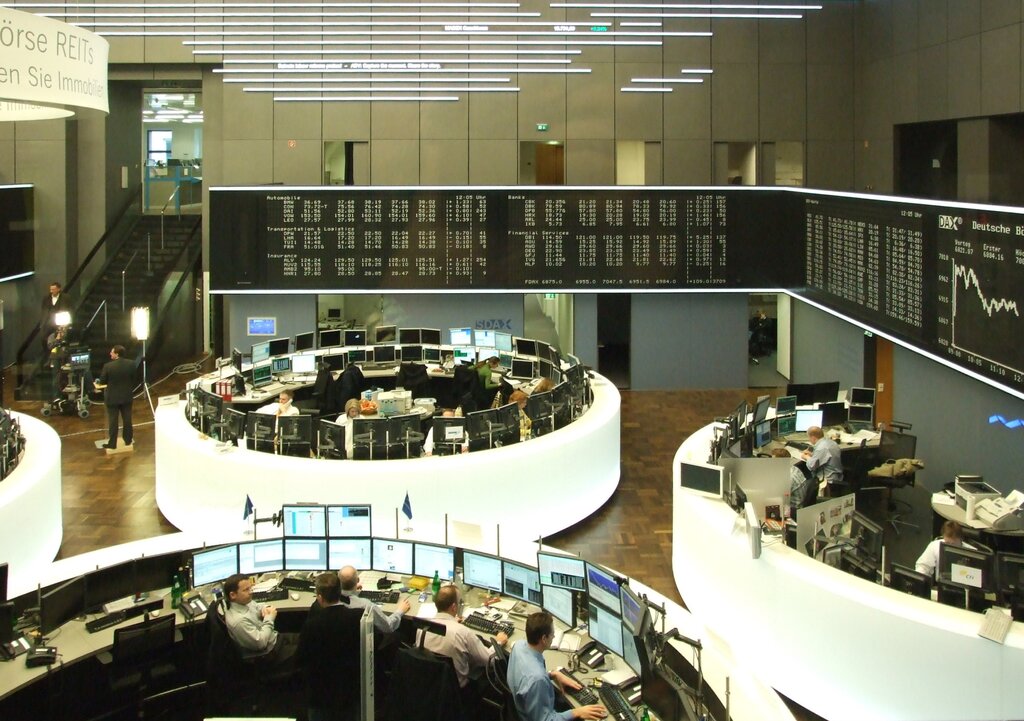
Some of the most significant exchanges include:
-
New York Stock Exchange (NYSE): Located on Wall Street, the NYSE is one of the oldest and largest exchanges in the world, known for its iconic trading floor and listing many established, blue-chip companies.
-
Nasdaq: Also based in New York, the Nasdaq is a younger, all-electronic exchange. It's famous for being the home of many of the world's biggest technology companies, like Apple and Microsoft.
-
London Stock Exchange (LSE): A key player in Europe, the LSE has a long history and lists major UK and international companies.
-
Tokyo Stock Exchange (TSE): The largest stock exchange in Japan, hosting many of Asia's corporate giants.
-
Shanghai Stock Exchange (SSE): One of the largest and most important exchanges in a rapidly growing emerging market, representing the scale of China's economy.
The Key Players
Several groups interact within these markets to keep them running smoothly. Each has a distinct role.
-
Companies (Issuers): These are the businesses that sell stock to the public. They do this to raise money—or capital—to fund new projects, expand operations, or develop new products.
-
Investors: These are the buyers. They can be individuals (often called retail investors) or large institutions like pension funds, mutual funds, or insurance companies.
-
Brokers: They act as intermediaries, executing buy and sell orders on behalf of investors. In today's market, this is often done through an online brokerage platform.
-
Regulators: Government bodies, like the U.S. Securities and Exchange Commission (SEC), set and enforce the rules. Their job is to protect investors and ensure the markets are fair and transparent.
What Makes Stock Prices Move?
A stock's price is not random. It reflects the collective opinion of millions of investors about a company's future prospects. If more people want to buy a stock than sell it, the price goes up. If more want to sell than buy, it goes down. Several key factors influence this sentiment.
The two biggest drivers are company performance and the health of the broader economy.
A company’s financial health is critical. Strong earnings reports, successful product launches, or innovative research can send a stock price soaring. Conversely, a data breach, a product recall, or declining profits can cause its price to fall.
But no company exists in a vacuum. Broader economic trends also play a huge role. Things like interest rate changes, inflation data, unemployment figures, and overall economic growth (GDP) can affect the entire market. A strong economy often lifts most stocks, while a recession can pull them down.
The key drivers of equity markets are: the prevailing and expected level of economic activity, as measured by GDP growth, employment levels and movements in the real incomes of households
This is because a healthy economy means people have more money to spend, and businesses are more likely to thrive and generate profits. Those profits are what ultimately give a company's stock its value.
What does purchasing a stock fundamentally represent?
Which of the following participants in the equity market acts as an intermediary, executing buy and sell orders for investors?
Global equity markets connect companies that need capital with investors looking for a return. By understanding the key players and the factors that drive prices, you have a solid foundation for how this essential part of the world economy functions.