Global Equity Markets 2025 Outlook
Global Equity Markets Overview
Where Companies and Capital Meet
At its heart, a stock market is a vast network where pieces of companies, called stocks or equities, are bought and sold. Think of it as a bridge connecting two groups: companies that need money to grow, innovate, and hire, and individuals or institutions with savings they want to put to work. By selling stock, a company raises capital without going into debt. For investors, buying that stock means owning a small slice of the business, with the hope that its value will increase over time.
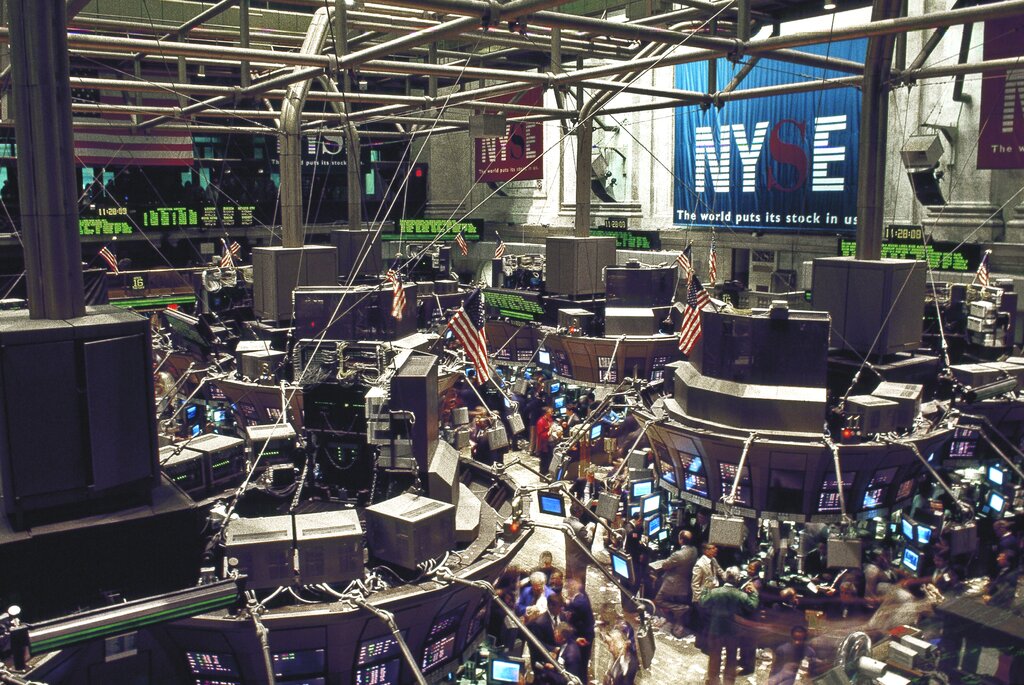
Stock Exchanges: Stock exchanges, such as the NYSE and Nasdaq, are regulated marketplaces where securities are traded, ensuring transparency and fairness in transactions for investors.
These marketplaces, known as stock exchanges, are the hubs of activity. While the image of traders shouting on a crowded floor is iconic, most trading today happens electronically. These exchanges provide the essential infrastructure for a modern economy.
Global Hubs of Finance
Stock exchanges are located all over the world, each serving as a critical center for its respective region's economy. While there are dozens of exchanges, a few stand out for their size and influence.
| Exchange | Location | Notable Fact |
|---|---|---|
| New York Stock Exchange (NYSE) | New York, USA | The world's largest stock exchange by market capitalization. |
| London Stock Exchange (LSE) | London, UK | One of the oldest exchanges, with a highly international list of companies. |
| Tokyo Stock Exchange (TSE) | Tokyo, Japan | The leading stock exchange in Asia. |
These exchanges don't just facilitate trading; they provide liquidity, meaning investors can buy and sell stocks easily. This constant flow of capital helps drive economic growth by funding new projects, technologies, and businesses.
Reading the Market's Mood
With thousands of companies listed on exchanges, how can anyone get a quick sense of how the market is doing? That's where indices come in. A stock market index is like a snapshot of a particular market segment. It tracks the performance of a group of stocks, offering a simple benchmark to gauge the overall health and direction of the market.
An index simplifies complexity. Instead of tracking every single stock, you can follow an index like the S&P 500 to get a broad view of the U.S. market's performance.
Just as different exchanges represent different regions, major indices track different collections of stocks:
- S&P 500: Tracks 500 of the largest publicly traded companies in the United States. It's often used as a proxy for the health of the entire U.S. stock market.
- FTSE 100: Pronounced "Footsie," this index tracks the 100 largest companies listed on the London Stock Exchange.
- Nikkei 225: The leading index for the Tokyo Stock Exchange, it tracks the performance of 225 large, publicly owned companies in Japan.
How Trading Works
The journey of a stock begins when a private company decides to go public through an Initial Public Offering (IPO). This is the first time the company offers its shares for sale to the general public on a stock exchange. Once listed, those shares can be traded freely between investors.
Market participants are the people and institutions that make this happen. They include:
- Investors: Individuals and institutions (like pension funds) who buy and sell stocks.
- Brokers: Firms that execute trades on behalf of investors.
- Market Makers: Firms that provide liquidity by being ready to buy or sell a particular stock at any time, ensuring a smooth market.
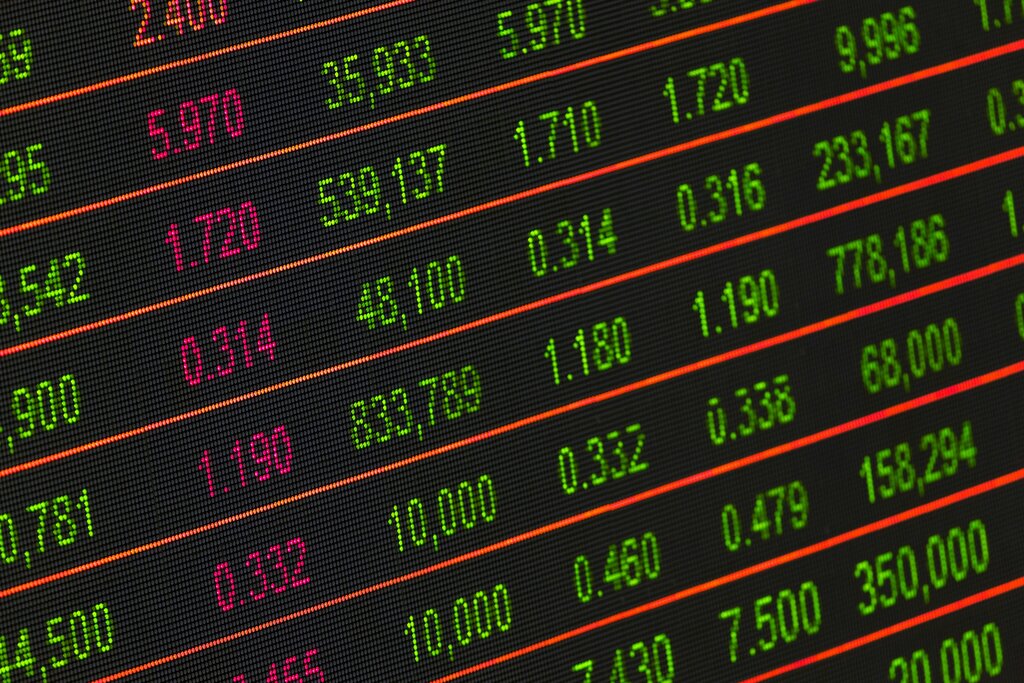
This continuous process of buying and selling is what determines a stock's price. When more people want to buy a stock than sell it, the price goes up. When more want to sell than buy, the price goes down. Global equity markets are the engine that powers this entire system, allocating capital to where it's needed most and allowing millions to participate in the growth of the world economy.
Ready to check your understanding of global equity markets?
What is the primary function of a stock market?
If you wanted to get a snapshot of the performance of the 100 largest companies on the London Stock Exchange, which index would you consult?
Understanding these core components of equity markets is the first step to making sense of global finance and how wealth is created and moved around the world.