Global Economic Interdependence and the Rise of Export Economies
The Export Economy Model
The World Splits in Two
The Industrial Revolution didn't just build factories; it redrew the world's economic map. As nations like Britain and the United States industrialized, a new global structure took shape. This is often described using a core-periphery model. The "core" consisted of the industrialized nations with the capital and technology to mass-produce goods. The "periphery" included regions in Asia, Africa, and Latin America that were rich in natural resources but lacked industrial capacity.
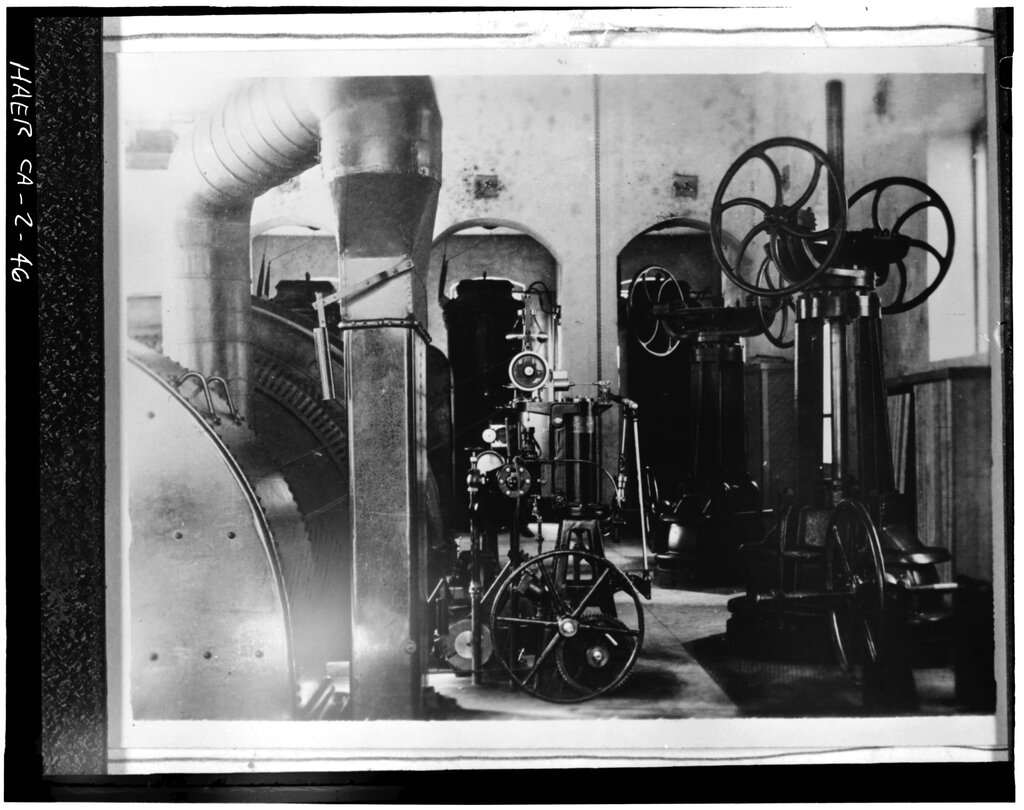
This created a new kind of economy in the periphery, one built almost entirely for export. Instead of developing diverse, local industries to serve their own populations, these regions were re-engineered to serve the core's needs. Entire economies became specialized in resource extraction, focusing on producing one or two key commodities—like cotton from Egypt, rubber from the Congo, or copper from Chile. The goal was no longer self-sufficiency, but supplying the factories of faraway empires.
A One-Way Street
This specialization led to a powerful and lasting cycle of economic dependency for the periphery. They relied on the core to buy their raw materials, and in turn, had to import expensive manufactured goods from those same core nations. Wealth flowed from the resource-rich periphery to the industrial core, enriching the empires while preventing the colonies from building their own industrial base. This structural imbalance had profound effects on development. While cities in Europe and North America swelled with factory workers and new industries, the periphery saw the growth of mines, plantations, and port towns designed solely to get resources out of the ground and onto a ship.
Imagine the world as a giant economic web where some countries sit comfortably at the center, controlling the flow of wealth, while others struggle on the periphery, providing raw materials and cheap labor.
Wiring the World for Export
This global system couldn't have existed without a revolution in transportation. The development of steamships and the construction of massive new canals, like the Suez Canal, dramatically cut the time and cost of moving bulk goods across oceans. Global shipping networks expanded rapidly, but they weren't designed to connect all cities equally. Instead, they were built to serve the export economy, creating efficient pathways from mines and plantations in the periphery directly to the factory doors of the core.
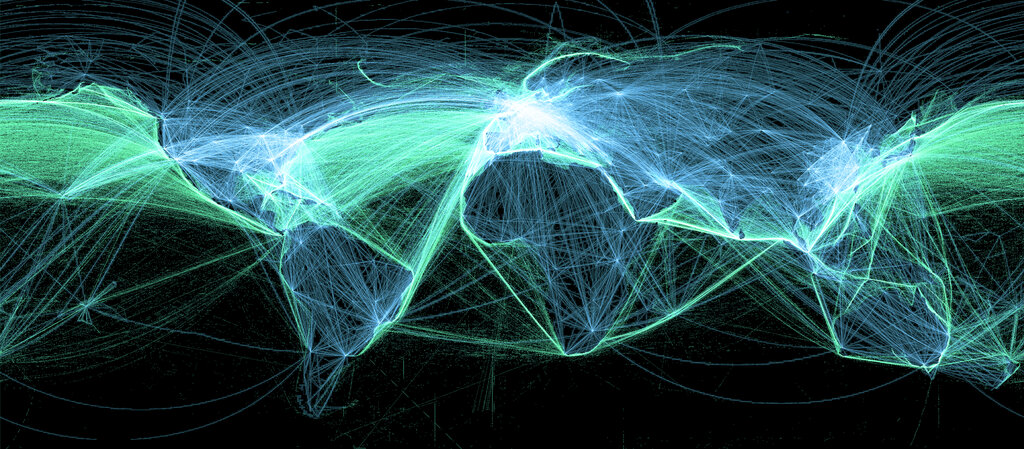
These new networks locked the core-periphery relationship into place. A railroad in India might be built not to connect Indian cities for domestic trade, but to transport cotton from an inland farm to a British-controlled port. The infrastructure itself was a tool of resource extraction, reinforcing the economic model for generations.
According to the core-periphery model, what was the primary economic function of nations in the "periphery" during the Industrial Revolution?
The specialization in producing one or two key commodities for export led to a cycle of economic dependency for the periphery.